

10 Best AI Tools for Google Ads in 2026 to Boost Campaign Performance
Aug 4, 2026 | By Nguyen Minh
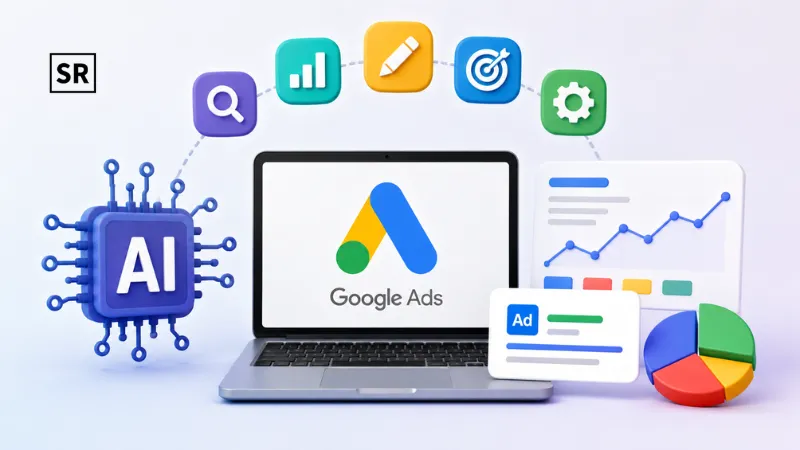
Running Google Ads has become more challenging than ever. As more businesses compete for the same keywords, advertising costs continue to rise, and simply setting up a campaign is no longer enough to achieve good results. Successful advertisers constantly monitor keywords, adjust bids, improve ad copy, test new audiences, and optimize landing pages. Doing all of this manually takes time, especially if you’re managing multiple campaigns.
 Follow us
 Follow us
This is where Artificial Intelligence (AI) is changing the game.
AI-powered tools can analyze large volumes of campaign data in seconds, helping advertisers make smarter decisions without spending hours in their Google Ads accounts. Whether it’s writing better headlines, finding profitable keywords, optimizing bids, or identifying wasted ad spend, AI allows businesses to work faster and make data-driven decisions.
That doesn’t mean AI replaces human expertise. Instead, it works like a smart assistant, handling repetitive tasks so marketers can focus on strategy, creativity, and business growth.
RECOMMENDED FOR YOU



In this guide, we’ll look at the 10 best AI tools for Google Ads in 2026. Each tool offers something different, from automated bidding and campaign management to AI-generated ad copy and landing page optimization. Whether you’re a beginner, an agency, or an experienced PPC professional, these tools can help you improve campaign performance and maximize your return on investment.
Why AI Is Becoming Essential for Google Ads
Managing Google Ads manually can become overwhelming. Campaigns generate a huge amount of data every day; manually analyzing it wastes your time. AI helps by easily analyzing trends, predicting user behavior, and recommending changes based on real-time performance.
Google Ads Works on which keywords will yield better results or when to raise bids; AI analyzes millions of signals such as search intent, location, device, browsing history, and past conversions to make more informed choices.
Some of the biggest advantages include:
- Saves time by automating repetitive tasks
- Improves bidding strategies
- Creates better ad copy
- Finds profitable keywords faster
- Reduces wasted advertising spend
- Improves conversion rates
- Helps scale campaigns more efficiently
The right AI tool won’t guarantee success on its own, but it can give advertisers a significant competitive advantage.
1. Google Ads AI
Google’s own AI features remain one of the best tools for optimizing advertising campaigns. Over the past few years, Google has invested heavily in machine learning, introducing features like Smart Bidding, Performance Max, Responsive Search Ads, and automated audience targeting. These tools continuously analyze user behavior and campaign performance to automatically improve results.
Instead of adjusting bids manually at different times, Google’s AI assesses hundreds of real-time signals, such as device type, search intent, location, browser, time of day, demographics, and past conversions, to determine the optimal bid for each auction. It helps advertisers to maximize conversions and optimize advertising budget.
Key Features
- Smart Bidding
- Performance Max Campaigns
- Responsive Search Ads
- Automated Audience Signals
- Predictive Conversion Optimization
- Dynamic Asset Optimization
Pros
- Built directly into Google Ads
- Easy to use
- Excellent automation
- Continuously learns from campaign data
- Great for improving ROAS
Cons
- Less manual control
- Works best with sufficient conversion data
- Performance Max reporting can sometimes feel limited
Best For: Businesses of all sizes looking for built-in campaign automation.
Pricing: Included with Google Ads (advertising costs still apply).
Our Take: If you’re new to AI-powered advertising, Google’s own AI features should be your starting point. They’re reliable, constantly improving, and require no additional software.
2. ChatGPT
Digital marketers have found ChatGPT to be one of the most valuable AI assistants. Though it’s not tailored for managing Google Ads campaigns, it can significantly accelerate the creative aspect of advertising. Rather than investing hours into the development of headlines, descriptions, keywords, or landing page concepts, marketers can produce several high-quality variations in just minutes.
Another major advantage is its flexibility. ChatGPT helps in various ways; it can create ad copy for almost any industry, explain complex marketing concepts, generate customer personas, suggest negative keywords, improve calls to action, and even rewrite underperforming advertisements. It works like a brainstorming partner that never runs out of ideas.
Key Features
- AI-generated ad copy
- Keyword brainstorming
- Negative keyword suggestions
- Landing page content
- Audience research
- Competitor analysis
Pros
- Extremely fast content creation
- Easy to use
- Excellent for brainstorming
- Supports many industries
- Saves hours of writing time
Cons
- Doesn’t access live Google Ads data
- Requires human editing
- Keyword suggestions should be verified
Best For: Freelancers, agencies, content marketers, and small businesses.
Pricing: A Free version is available; premium plans offer advanced capabilities.
3. Optmyzr
Optmyzr is tailored for advertisers and agencies that oversee multiple Google Ads accounts. It allows marketers to automate tasks that they do repeatedly with ease.
One of its biggest strengths is campaign optimization. Optmyzr can help manage budgets, spot underperforming keywords, identify potential bidding opportunities, and create detailed performance reports. For agencies handling several client accounts, this can take a lot of repetitive work off their hands while still making it easy to keep an eye on campaign performance.
The platform serves as a smart assistant; it continuously monitors campaigns and shows those areas that need attention, rather than replacing human decision-making.
Key Features
- Automated bid management
- Campaign audits
- Budget tracking and monitoring
- Rule-based automation
- PPC performance reporting
- Recommendations for campaign improvements
Pros
- Can save a lot of time on day-to-day management
- Strong reporting features
- Highly customizable
- Well suited to agencies
- Useful campaign optimization tools
Cons
- Can take some time for beginners to learn
- Premium pricing
- More suitable for larger advertising accounts
Best For: PPC agencies and experienced Google Ads professionals managing multiple campaigns.
Pricing: Subscription-based, with plans that vary depending on the size and needs of the business.
4. SEMrush AI Tools
SEMrush is best known as an SEO platform; its AI-powered PPC features make it an excellent companion for Google Ads. The platform helps advertisers discover profitable keywords, analyze competitors, estimate advertising costs, and uncover opportunities that might otherwise go unnoticed.
The major advantage of SEMrush is its competitive intelligence. Instead of guessing what your competitors will do, you can easily study the keywords they focus on, study their marketing strategies, and identify weaknesses in your own campaigns. With these insights, companies can create more effective campaigns based on real market data instead of assumptions.
For marketers who combine SEO with paid advertising, SEMrush offers a complete view of search marketing on a single platform.
Key Features
- PPC keyword research
- Competitor analysis
- Keyword Gap Tool
- Advertising Research
Pros
- Strong analysis of competitor
- Merges SEO and PPC
- Simple reporting
- Trustworthy data
Cons
- Can be expensive
- Some features require higher plans
- Beginners may need time to learn the platform
Best For: Businesses investing in both SEO and Google Ads.
Pricing: Monthly subscription with several pricing tiers.
5. Jasper AI
Writing effective Google Ads copy can be surprisingly difficult. You have only a limited amount of space to catch someone's attention, explain what you're offering, and give them a reason to click. That's where Jasper AI can make the process much easier.
Jasper can help create Google Ads headlines, descriptions, promotional copy, landing page content, and calls to action for different audiences. Instead of spending hours developing a single ad, marketers can quickly generate several variations and test them to see which messages connect best with their audience.
Its ability to maintain a consistent brand voice across campaigns. You can choose from different writing styles and tones depending on the type of audience you're targeting. The copy may still need some human editing before it goes live, but Jasper can significantly reduce the time spent creating ads and help when you're stuck finding the right words.
Key Features
- Google Ads headline
- Making ad copy
- Landing page content
- Product descriptions and promotional copy
- Marketing templates
- AI-powered writing assistance
Pros
- Creates natural-sounding marketing copy
- Cuts down content creation time
- Useful for testing different ad variations
- Simple and easy to use
- Works across a wide range of industries
Cons
- The content may still need some human editing
- Requires a paid subscription for full access
- Doesn’t manage advertising campaigns directly
Best For: Businesses that regularly create Google Ads, Facebook Ads, and other marketing content.
Pricing: Subscription-based, with several plans available.
6. AdCreative.ai
Coming up with fresh, attention-grabbing ad designs can take a lot of time, especially when you’re running several campaigns at once. AdCreative.ai makes that process easier by using AI to create display ads, banners, and other marketing visuals within minutes.
Instead of designing every ad from scratch, you can generate multiple versions and test different ideas to see what gets the best response. The platform is built around performance, not just making ads look good, which makes it particularly useful for advertisers running campaigns across the Google Display Network and other platforms.
AdCreative.ai can also review previous campaign results and use those insights to suggest creatives more likely to drive clicks and conversions. For businesses running regular promotions, this can save a considerable amount of design time.
Key Features
- Creates display ads with AI
- Quickly generates banner designs
- Scores creatives based on potential performance
- Lets you add and use your existing brand assets
- Produces multiple design variations
- Offers recommendations focused on conversions
Pros
- Saves a lot of design time
- Easy for beginners to get started
- Generates several designs quickly
- Works with different ad sizes
- Makes it easier to test different creatives
Cons
- Requires a paid subscription
- Some designs may need a little extra customization
- More useful for businesses focused on display advertising
Best For: eCommerce businesses, agencies, startups, and companies that regularly run display ad campaigns.
Pricing: Monthly subscription with different plans available.
7. Surfer SEO
Surfer SEO is mainly known for SEO and content optimization, but it can also be useful for Google Ads campaigns.
Think about the outcome when it lands on a page that does not answer their questions or fulfill their expectations; they will probably exit without buying anything. No matter how well-targeted the ad is, a poorly designed landing page cannot be saved.
That’s where Surfer SEO can help.
The platform provides suggestions for improving landing page content based on keyword relevance, search intent, competitor content, and readability. The goal is to make your pages more useful and relevant to the people arriving from your ads.
Key Features
- Content manager
- Keyword suggestions
- Rival examination
- SEO assessment
- AI-based writing support
Pros
- It helps improve the landing page quality
- Makes content optimization easier
- Provides useful competitor insights
- Combines SEO and PPC-related needs
Cons
- Doesn’t directly manage ad campaigns
- May take time for beginners to learn
- Requires a subscription
Pricing: Monthly subscription.
8. Revealbot
Managing advertising campaigns manually every day can quickly become repetitive. If you’re dealing with multiple campaigns or accounts, constantly checking budgets, performance, and bids can take up a significant part of your day.
Revealbot is designed to automate much of that routine work.
You can create rules based on campaign performance and set the platform to take specific actions when certain conditions are met. For example, you could increase the budget of a campaign that’s performing well or pause an ad that’s spending money without producing good results.
Revealbot can also send alerts when something needs your attention. That means you don’t have to constantly monitor every campaign just to catch a sudden change in performance.
Key Features
- Automated campaign rules
- Budget management
- Performance alerts
- Bid optimization
- Campaign automation
- Detailed reporting
Pros
- Reduces repetitive work
- Can save significant time
- Automation rules are relatively easy to set up
- Useful for managing multiple campaigns
- It helps in keep budgets under control
Cons
- Requires some initial setup
- Premium pricing
- Better suited to experienced advertisers
Best For: Agencies and advertisers managing several campaigns at once.
Pricing: Subscription-based.
9. Copy.ai
Writing new ad copy can become surprisingly difficult when you’re promoting similar products or services again and again. Eventually, you start running out of fresh ways to say the same thing.
Copy.ai can help with that.
The platform can generate Google Ads headlines, descriptions, promotional messages, product copy, and other marketing content. Instead of spending a long time trying to come up with several versions yourself, you can generate different ideas quickly and then choose the ones that fit your campaign.
This is especially useful for A/B testing. Having several variations makes it easier to experiment with different messages and find out which ones connect with your audience.
The content should still be reviewed and adjusted before publishing, but Copy.ai can take much of the initial writing work off your plate.
Key Features
- It generates headlines with AI
- Creates ad descriptions
- Helps write marketing copy
- Develops product messaging
- Suggests calls to action
- Offers a range of writing templates
Pros
- Produces content in seconds
- Simple enough for beginners
- Handy for creating A/B test variations
- Works with different types of marketing content
- Helps speed up everyday marketing tasks
Cons
- You may still need to edit the generated copy
- Doesn’t manage Google Ads campaigns itself
Best For: Small businesses, freelancers
Pricing: A free plan is available, with additional features offered through paid subscriptions.
10. Madgicx
Madgicx brings AI, automation, and analytics together in one advertising platform. It’s designed for performance marketers who want to make decisions based on campaign data rather than guesswork.
Advertisers can use the platform to analyze audiences, track campaign performance, manage budgets, and identify areas for improvement. This can be especially useful when you’re trying to scale campaigns while preventing wasted spending from increasing along with them.
Another benefit is the volume of data it can consolidate. Rather than going through campaign metrics by hand, marketers can utilize the platform’s insights and recommendations to better understand what is effective and what could be improved.
Important Characteristics
- It analyzes the Users
- Budget refinement
- Creative expertise
- Performance analysis
- AI suggestions
- Campaign documentation
Pros
- Strong automation features
- Useful audience analysis
- Detailed reporting
- Can help improve ROAS
- Suitable for scaling campaigns
Cons
- Premium pricing
- May take time to learn
- Better suited to experienced advertisers
Best For: Growing businesses, agencies, and experienced performance marketers.
Pricing: Subscription-based.
How to Choose the Right AI Tool for Google Ads
There isn’t one AI tool that’s perfect for every advertiser. The right choice depends on what you actually need help with.
If you want to use AI directly within your advertising workflow, Google Ads AI is an obvious starting point. For writing headlines, descriptions, and other marketing content, tools such as ChatGPT, Jasper AI, and Copy.ai can save a lot of time.
If campaign management is your biggest headache, Optmyzr and Revealbot are better suited to automation and optimization. And if your ads get plenty of clicks but your landing pages aren’t converting, Surfer SEO may be more useful.
Whenever possible, use a free trial or test the tool with a small campaign before committing to a subscription. The best tool is the one that fits your workflow and improves your results.
Conclusion
AI has changed how marketers approach Google Ads. Tasks that used to take hours from writing ad copy and researching keywords to adjusting bids and analyzing performance- can now be handled much faster with the right tools.
That’s a major advantage, but AI shouldn’t be treated as a replacement for human judgment.
An AI tool can spot patterns, generate ideas, automate repetitive tasks, and process large amounts of data. It doesn’t necessarily understand your customers, your brand, or your business goals as well as you do.
The strongest approach is to use AI as an assistant.
Let it handle the repetitive work and give you ideas, while you focus on strategy, creativity, audience understanding, conversion tracking, and the decisions that can have the biggest impact on your results.
Recommended Stories for You

Nguyen Minh Jun 25, 2026


Yan li Jun 6, 2026

Yan li Jun 3, 2026

Yan li May 29, 2026

Trending Stories
Moomoo Malaysia – Company Profile, Founder, Funding and Reviews

Thailand tourism – tourist places, tour packages

Golden Blood: The World’s Rarest Blood Type

Franchise business in Vietnam 2025

How to Start an Eco-Friendly Business in 2026: Ideas, Steps, and Tips for Success

Motherhood Malaysia’s – Leading Parenting & E-commerce Platform
New Software Wuvdbugflox Overview: A Modern Tool for Smarter Workflows and Productivity

5 Best MBA Programs for Tech Jobs