


Humble beginnings
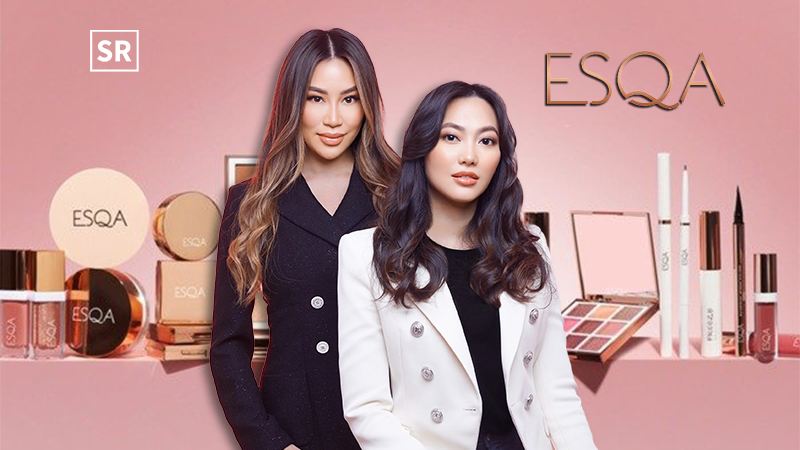
Two old friends, Cindy Angelina and Kezia Trihatmanto, went back home to Indonesia in 2016 after studying abroad. They hit upon a familiar frustration: The local beauty market was devoid of cosmetic lines that reflected global clean, vegan, accessible luxury trends. Older brands had dominated Indonesia, and for them, it felt like the time was right to make the change. They decided to launch ESQA in 2016 — a brand driven by one core belief: that beauty should enhance, not mask — and that cosmetic products should be ethical, inclusive, and made for modern Asian skin. The brand name “ESQA” was derived from the Celtic word “Eska”, meaning pure beauty. The goal is to create luxury-feeling makeup at accessible prices, vegan & Halal certified.
Vision and Values
From the outset, ESQA set out to stand for more than just colour cosmetics. Their values included:
- Vegan: No animal-derived ingredients; cruelty-free.
- Halal certification: Catering in a Muslim-majority market, ensuring ingredients and processes comply with Halal standards.
- Affordability + aspiration: “Affordable luxury” was the positioning — high-quality products at accessible prices.
- Inclusive design for Asian skin: Recognising that many global brands overlook skin-tones, textures, and beauty norms of Southeast Asia.
This combination allowed ESQA to carve out a meaningful gap in the Indonesian and Southeast Asian beauty landscape: a homegrown brand that mirrored global clean-beauty & vegan trends while remaining rooted locally.
Read also- Revolutionising Business Telephony: The KrispCall Story
Growth & Milestones
The brand launched with just a few lip products, but quickly expanded. For example, ESQA went from initial lip crayons/liquids to full ranges for face, eyes, lips, and cheeks. They emphasised digital-first sales (eCommerce, direct-to-consumer). Then they expanded offline via beauty platforms and retailers.
One significant milestone: In late 2022 (Nov), ESQA raised a US$6 million Series A led by Unilever Ventures with participation from East Ventures. This marked Unilever Ventures’ first beauty investment in Southeast Asia. The funds were earmarked to scale omnichannel distribution (online + offline), expand into new cities and markets in Southeast Asia, develop new product lines (especially skincare), and build brand/talent. ESQA also raised $4 million in the Series B round led by Unilever.
ESQA also reported consistent profitability (even during the pandemic) and strong growth. By 2024, the total raised reached about US $10 million.
Unique Strategies
Several aspects stand out in ESQA’s strategy:
- Trend-spotting + localisation
Kezia Trihatmanto stated that Innovation is at the forefront. They think globally and act regionally — they spot international trends, but adapt them to Asian skin and local demands.
- Clean ingredients + vegan + halal
ESQA emphasised the absence of harsh chemicals such as parabens, triclosan,sodium lauryl sulfate, and gluten, reflecting the consumer shift toward safer, ethical beauty.
3. Omnichannel presence
From the D2C website to marketplaces, to major offline retailers (e.g., Sephora, Watsons, and beauty-platform Sociolla) across Indonesia, and export to regional markets (Vietnam, Singapore, Malaysia).
4. Social media and community-driven
They leveraged Instagram, TikTok, influencers, and live-streaming to engage younger consumers. Reviews and user-generated content helped amplify brand trust at a lower marketing spend.
Challenges & Responses
Challenges faced by ESQA:
- Competition & crowded market: Indonesia has many beauty players, domestic and international. ESQA navigated this by focusing on the vegan/halal niche and design-led packaging.
- Pandemic impact: With mask-wearing, lip product demand fell, so ESQA pivoted to products for the face, eyes, and brows.
- Scaling offline & distribution: To go beyond online, ESQA signed exclusive distributor agreements (e.g., with PT Parit Padang Global in 2024) to expand reach across Indonesia.
- Maintaining authenticity while growing: Growing a brand means new investors and more structure — but ESQA emphasised keeping innovation, quality, and values intact.
Impact & Significance
There is more to ESQA’s story than scaling a business. It signals broader shifts:
- Empower local brands: In an industry saturated with international beauty conglomerates, ESQA proves that an Indonesian-founded brand can meet global standards.
- Elevating the consumer: Vegan, halal, clean-beauty credentials are increasingly important. For Indonesian consumers, halal certification is not just a matter of religion; it also relates to ingredient safety and ethics.
- Southeast Asia growth potential: With a rising middle class, digital penetration, and beauty spend in Indonesia and across the region, ESQA is well-positioned.
- Female entrepreneurship & new roles: Founders Cindy and Kezia exemplify the latest wave of female entrepreneurs in Asia’s beauty sector.
A Glimpse into the Future
Looking ahead, ESQA’s path might include:
- Deeper skincare lines: Beyond makeup, more skincare offerings to capture growing skincare spend.
- Broader regional expansion: Into more Southeast Asia markets, perhaps even beyond.
- Flagship stores / experiential retail: To create brand-experience spaces, not just product sales.
- Sustainability & packaging innovation: As consumers demand eco-friendly packaging and sustainable business practices.
- Community & purpose branding: Building on values (vegan, halal, inclusive) with lifestyle/empowerment narratives.
Closing Reflection
The story of ESQA is one of vision meeting opportunities: two friends recognised a gap in the beauty markets of Indonesia and Southeast Asia — luxury look + clean/ethical credentials + accessibility for local consumers — and built around that. Values were respected during expansion. ESQA distinguishes itself with a unique combination of great products, ethically sourced materials, regional affinity, and a solid brand. It is a case of great brand power when a brand is not necessarily the largest, but remains faithful to its promise.
