

Choosing the Right Print Method: Understanding DTG vs Screen Printing
Apr 24, 2026 | By Startuprise
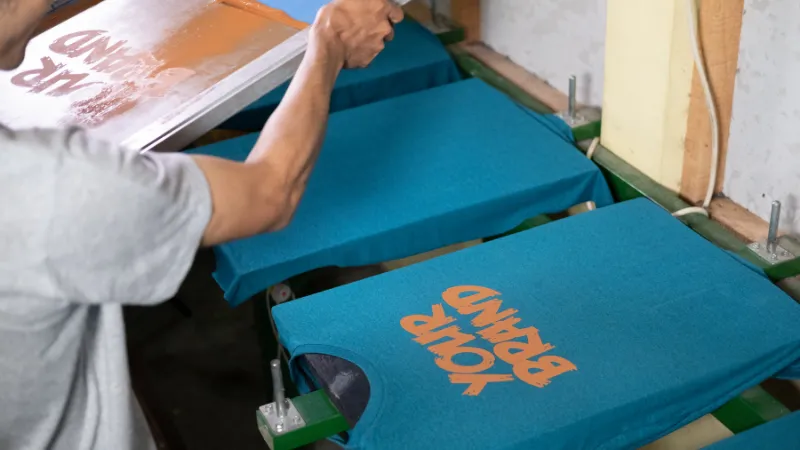
Printing designs onto fabric has become an essential part of modern clothing and textile production. Whether for personal expression, group identity, or creative projects, the way a design is transferred onto fabric can make a significant difference in the final result. This is where the comparison of DTG vs screen printing becomes important.
 Follow us
 Follow us
Both methods are widely used, but they serve different purposes and produce different outcomes. Understanding how each works, along with their strengths and limitations, helps in making informed decisions based on specific needs.
What Is DTG Printing?
Direct-to-garment printing, often referred to as DTG, is a process where a digital printer applies ink directly onto fabric. The process is similar to printing on paper, but it is adapted for textiles.
DTG uses water-based inks that soak into the fabric fibers. This allows for detailed designs with a wide range of colors, including gradients and fine lines. Because it relies on digital files, it is especially useful for complex or highly detailed artwork.
RECOMMENDED FOR YOU

Why Industrial Lighting Projects Require More Than Standard LED Solutions
Startuprise
Jul 7, 2026


One of the key advantages of DTG is its flexibility. Designs can be printed individually without the need for extensive setup. This makes it suitable for small batches or even single items.
What Is Screen Printing?
Screen printing is a more traditional method that involves creating a stencil, or “screen,” for each color in a design. Ink is then pushed through the screen onto the fabric, layer by layer.
This process requires preparation, especially for multi-color designs. Each color needs its own screen, and alignment is important to ensure the final image looks correct.
However, once the setup is complete, screen printing becomes very efficient for producing large quantities. The ink sits on top of the fabric rather than soaking in, which often results in bold and vibrant colors.
Key Differences in DTG vs Screen Printing
When comparing DTG vs screen printing, the differences come down to process, output, and suitability for different types of projects.
1. Design Complexity
DTG printing handles complex designs with ease. It can reproduce detailed images, shading, and even photographic prints without additional steps.
Screen printing, on the other hand, works best with simpler designs. While it can handle multiple colors, each additional color increases the complexity of the setup.
2. Production Volume
For small quantities, DTG is often more practical. Since there is minimal setup, it allows for quick turnaround on individual items.
Screen printing is better suited for large batches. Once the screens are prepared, producing multiple items becomes faster and more cost-effective.
3. Texture and Feel
Another noticeable difference in DTG vs screen printing is how the print feels on the fabric.
DTG prints tend to feel softer because the ink is absorbed into the material. This creates a more natural texture.
Screen printing results in a slightly raised surface, as the ink sits on top of the fabric. This can give the design a more pronounced and durable feel.
4. Color Vibrancy
Screen printing is known for producing bold and solid colors. The layering of ink creates a strong visual impact.
DTG offers more subtle color transitions and is better suited for designs that require shading or gradients. While the colors can still be vibrant, they often appear more blended compared to screen printing.
5. Setup and Preparation
DTG requires minimal setup. A design file is loaded into the printer, and the process begins.
Screen printing involves several steps before printing can start, including creating screens and preparing inks. This makes it less flexible for quick or one-off projects.
Why the Choice Matters
Understanding DTG vs screen printing is important because the printing method directly affects the final product. Choosing the right method can influence appearance, durability, cost, and overall satisfaction.
For example, a highly detailed design with many colors may lose its quality if produced using a method not suited for complexity. Similarly, a large order may become inefficient if a method designed for small runs is used.
Making the right choice ensures that the design is presented in the best possible way while also meeting practical needs.
Practical Uses for Each Method
Both DTG and screen printing have their place, depending on the situation.
DTG is commonly used for:
- Custom designs with intricate details
- Small orders or one-time prints
- Projects that require quick turnaround
Screen printing is often preferred for:
- Bulk production
- Simple, bold designs
- Projects where consistency across multiple items is important
By understanding these uses, it becomes easier to match the method to the purpose.
Environmental and Material Considerations
Another aspect to consider in DTG vs screen printing is how each method interacts with materials and the environment.
DTG typically uses water-based inks, which are absorbed into the fabric. This can result in less excess ink waste, especially for smaller runs.
Screen printing may involve more materials during setup, particularly when multiple screens are required. However, for large-scale production, it can be more efficient in terms of output per setup.
Material type also plays a role. Some fabrics respond better to one method over the other, affecting the final look and durability of the print.
Longevity and Durability
Durability is an important factor in printed designs. Screen printing is often known for its long-lasting results, especially when applied correctly. The thicker ink layer can withstand repeated washing and wear.
DTG prints can also be durable, but their longevity may depend on factors like fabric type and care. Since the ink is embedded into the fibers, it tends to fade more gradually over time rather than cracking.
Understanding these differences helps in choosing the method that aligns with how the item will be used.
Final Thoughts
The comparison of DTG vs screen printing highlights how different techniques can serve different needs. Neither method is universally better. Instead, each has its strengths that make it suitable for specific situations.
DTG offers flexibility, detail, and convenience, especially for smaller or more intricate projects. Screen printing provides efficiency, boldness, and durability, making it ideal for larger productions.
By understanding how each method works and what it offers, it becomes easier to make thoughtful decisions. In the end, the goal is not just to print a design, but to ensure that it looks and feels exactly as intended.
Recommended Stories for You

Startuprise Jun 4, 2026

Startuprise May 21, 2026


Startuprise Feb 17, 2026


Startuprise Mar 24, 2026
Trending Stories
Staff Augmentation Services: Access Top Talent Without Hiring Overhead
7 Best AI Video Generators for Creators, Marketing Teams, and Video Professionals in 2026

Tips to find a broker in Asia

The Future of Group Health Insurance: Trends and Best Practices

7 Signs You Need a Financial Advisor in Singapore

Practical Ideas to Use Custom Badges to Promote Your Business
Why Rent Car Dubai Is the Smartest Mobility Choice for Startups, Entrepreneurs, and Business Professionals

How to Choose the Right Insurance Policy When Considering 1 Crore Term Insurance