
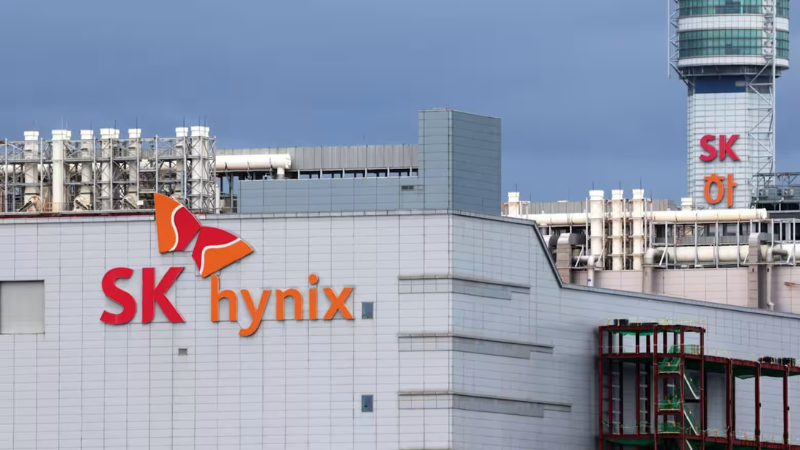
SK hynix is increasing production of its sixth-generation 1c DRAM process as demand for high-performance memory continues to grow.
 Follow us
 Follow us
The company’s 1c DRAM is expected to be used for HBM, starting with the next-generation HBM4E. This is pushing SK hynix to move faster toward the newer manufacturing process as demand from AI and data-center servers rises.
Industry estimates show that 1c DRAM accounted for about 10% of SK hynix’s DRAM production in the first quarter of this year. The share increased to around 13% in the second quarter and is expected to reach about 24% in the third quarter.
By the fourth quarter, the share could rise to around 34%. It is expected to reach about 35% in the first quarter of next year, potentially making 1c the company’s main DRAM process.
RECOMMENDED FOR YOU
HongKong-Based Language AI Firm Fano Labs Secures Series B Funding – FUNDING NEWS
Nguyen Minh
May 3, 2024

Animoca Brands Japan Appoints Kensuke Amo as Chief Operating Officer
Nguyen Minh
Feb 1, 2024

At the same time, production using the older 1b process is declining. Its share reached around 43% in the second quarter but has since started to fall.
SK hynix was behind Samsung Electronics and Micron in 1c production during the second quarter. Estimates put Samsung’s share at around 16% and Micron’s at about 19% compared with roughly 13% for SK hynix.
However, SK hynix is expected to catch up quickly in the second half of the year. Its 1c production share could reach around 34% in the fourth quarter, compared with an estimated 31% for Samsung.
During its second-quarter earnings call last month, SK hynix said 1c DRAM shipments had started to increase significantly from the second quarter.
The company also expects higher HBM4 production in the second half of the year. Along with this, shipments of 1c-based general-purpose DRAM are expected to increase, supporting stronger production growth than in the first half.
A semiconductor industry official said, "The speed of the 1c transition itself is encouraging, but it is meaningful only if actual mass-production Production yield and customer qualification schedules back it up," and added, "Starting with HBM4E, the competition in fine processes between Samsung Electronics and SK hynix will become even fiercer."
Read Also - Manulife Asia and Ant Health Partner on Connected Care in Hong Kong
Recommended Stories for You


Yan li Jan 9, 2025

Nguyen Minh Apr 16, 2024

Yan li Nov 18, 2024

Trending Stories
East Ventures and Kadin Indonesia launches ECOVISEA

[FUNDING NEWS] India-Based Annapurna Finance Secures $75 Million in Funding
Promethean Energy Secures $2 Million in Pre-Series A Funding Round
WadzPay Secures SGD 50 Mn Investment Commitment from GEM

Chocolate Finance Raises $15M Series A+ to Boost Regional Expansion

Sawt Raises $1 Million to Improve Voice Customer Service

BounceBit Raises $6 Mn Seed Funding
[Funding Alert] Saudi Arabia-Based Penny Software has Secured Pre-Series A Funding