

Why Industrial Lighting Projects Require More Than Standard LED Solutions
Jul 7, 2026 | By Startuprise
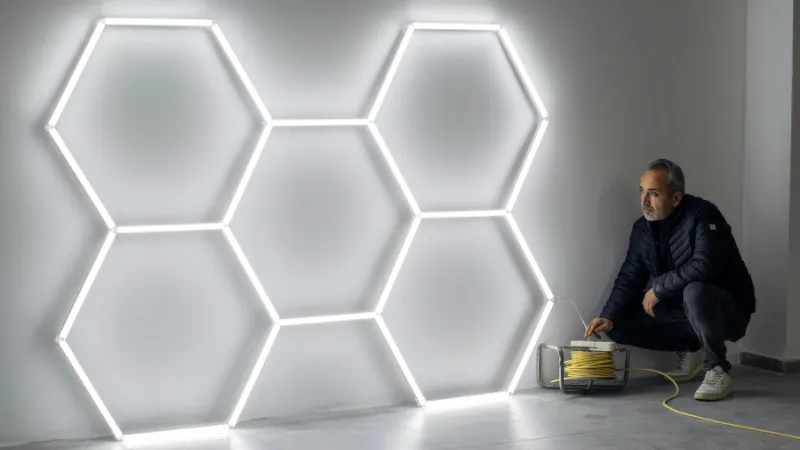
Industrial facilities are designed with one goal in mind: reliable performance. Whether the environment is a manufacturing plant, logistics warehouse, food processing facility, assembly line, or distribution center, every component must contribute to operational efficiency while minimizing maintenance and downtime.
 Follow us
 Follow us
Lighting is no exception.
Unlike decorative lighting used in residential or retail environments, industrial lighting must withstand demanding operating conditions while supporting productivity, safety, and equipment visibility. As a result, companies are placing greater emphasis on selecting an experienced Industrial LED strip light supplier that can provide dependable products as well as technical expertise.
For project managers, engineering contractors, and distributors, choosing the right supplier is often a long-term business decision rather than a simple purchasing transaction.
RECOMMENDED FOR YOU
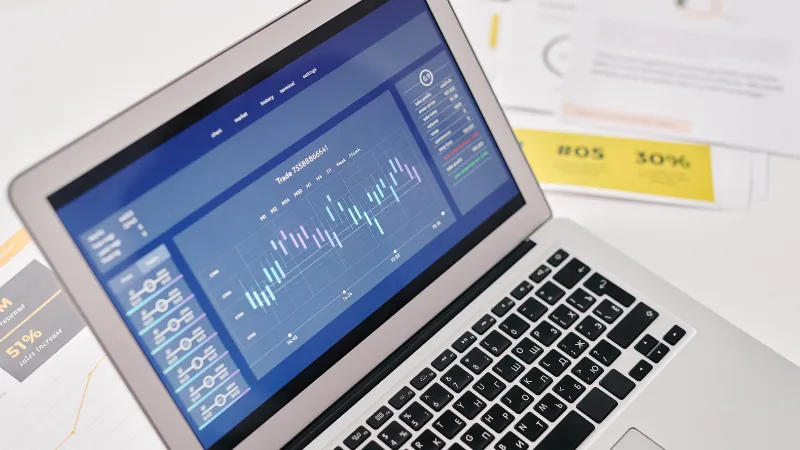


The Expanding Role of LED Strip Lighting in Industry
When people think about industrial lighting, they often picture high-bay fixtures mounted on warehouse ceilings.
However, LED strip lighting now serves many additional purposes across industrial environments.
Typical applications include:
- Machine workstations
- Equipment enclosures
- Inspection benches
- Conveyor systems
- Warehouse shelving
- Safety pathways
- Control cabinets
- Industrial signage
Because LED strips are compact and flexible, they can illuminate areas that conventional fixtures cannot easily reach.
This allows engineers to improve visibility without redesigning existing equipment or production layouts.
As manufacturing facilities continue to automate, localized lighting has become increasingly valuable for maintenance personnel and machine operators.
Why Reliability Is a Business Priority
Industrial operations rarely stop.
Many facilities operate 24 hours a day, seven days a week.
Unexpected lighting failures can interrupt maintenance, reduce inspection accuracy, and increase repair costs.
Unlike commercial office environments, replacing industrial lighting often requires:
- Production shutdowns
- Safety procedures
- Maintenance scheduling
- Specialized equipment
- Skilled technicians
These indirect costs frequently exceed the purchase price of the lighting itself.
For this reason, experienced procurement teams evaluate suppliers based on manufacturing consistency and long-term reliability instead of focusing only on initial pricing.
A dependable lighting system contributes directly to lower operating costs over the life of the facility.
Voltage Stability Improves Large Installations
Industrial facilities often require lighting installations extending across long production lines or warehouse aisles.
Examples include:
- Assembly lines
- Logistics centers
- Storage racks
- Packaging equipment
- Inspection stations
Long lighting runs introduce one common engineering challenge: voltage drop.
If voltage decreases significantly across a long strip, brightness may gradually decline toward the far end of the installation.
To reduce this issue, many industrial projects utilize 24V DC LED strip systems.
Compared with lower-voltage alternatives, 24V systems help maintain more consistent brightness across longer distances while reducing the number of required power injection points.
For engineering teams, this simplifies installation and improves lighting uniformity throughout the workspace.
Installation Flexibility Saves Labor
Industrial buildings are constantly evolving.
Production lines are upgraded, equipment is relocated, and workstations are reconfigured to improve efficiency.
Lighting systems should support these operational changes rather than limit them.
Flexible LED strips can be installed inside machinery, around inspection stations, beneath shelving, or along equipment frames without requiring major structural modifications.
For facilities with customized machinery, installation flexibility becomes particularly valuable.
Modern free-cutting COB LED strip technology offers an additional advantage by allowing installers to cut the strip at virtually any position instead of being restricted to fixed cutting intervals. This enables precise fitting inside electrical cabinets, machine guards, and compact industrial workstations where standard segment lengths may result in unnecessary waste.
Reducing installation complexity also shortens maintenance time when equipment layouts change.
Supporting Workplace Safety
Industrial lighting is closely connected to workplace safety.
Employees rely on clear visibility when operating machinery, reading control panels, inspecting products, or navigating production areas.
LED strip lighting is commonly used to improve visibility around:
- Machine access doors
- Emergency exits
- Equipment controls
- Inspection areas
- Maintenance platforms
- Warehouse pathways
Well-designed lighting reduces shadows while making operational areas easier to identify.
Many facilities also integrate LED strips into safety marking systems to indicate equipment status or highlight restricted zones.
These applications help improve operational awareness throughout the workplace.
Environmental Protection Matters
Industrial environments vary considerably.
Some facilities contain moisture, airborne dust, vibration, or cleaning chemicals.
Selecting appropriate environmental protection is therefore essential.
For manufacturing plants and warehouse applications exposed to occasional water spray or dust, IP65-rated LED strip lighting provides dependable protection while maintaining installation flexibility.
The appropriate protection level should always reflect the actual operating environment rather than relying solely on the highest available specification.
Balancing environmental protection with project requirements helps control procurement costs while ensuring long-term performance.
Why Technical Support Adds Business Value
Industrial lighting projects often involve engineering decisions that extend beyond selecting an LED strip.
Customers frequently require guidance regarding:
- Power supply sizing
- Cable selection
- Voltage planning
- Waterproof connectors
- Controller compatibility
- Installation accessories
An experienced Industrial LED strip light supplier provides technical assistance throughout the project rather than simply delivering products.
For distributors and system integrators, responsive engineering support helps solve installation challenges before they become costly field problems.
Reliable communication also contributes to faster project completion and stronger customer relationships.
Building Long-Term Industrial Partnerships
Successful industrial procurement focuses on long-term value rather than short-term savings.
Manufacturers, contractors, and distributors benefit most from suppliers capable of delivering consistent quality across multiple production batches while supporting future expansion projects.
A reliable supplier becomes part of the customer's operational strategy.
Stable lead times, dependable manufacturing, and responsive technical service allow industrial businesses to reduce project risks while maintaining predictable procurement schedules.
As factories become increasingly automated and production systems continue to modernize, lighting will remain an important component of efficient industrial operations. Partnering with an experienced Industrial LED strip light supplier enables businesses to implement solutions that combine durability, installation flexibility, and dependable performance. In an industry where uptime, safety, and productivity directly affect profitability, reliable lighting is not simply an accessory—it is an investment in long-term operational success.
Recommended Stories for You
Startuprise Apr 29, 2026
Startuprise May 21, 2026

Startuprise Feb 25, 2026
Startuprise Nov 28, 2024

Startuprise Jul 14, 2026

Startuprise Mar 21, 2025
Trending Stories

7 Signs You Need a Financial Advisor in Singapore

Why Rent Car Dubai Is the Smartest Mobility Choice for Startups, Entrepreneurs, and Business Professionals

Tips to find a broker in Asia
The Future of Group Health Insurance: Trends and Best Practices

Practical Ideas to Use Custom Badges to Promote Your Business

How to Choose the Right Insurance Policy When Considering 1 Crore Term Insurance
Video localization: a first-market playbook for Asian startups

Talent Mapping How Recruiters Build Better Candidate Pipelines Before Hiring Begins