

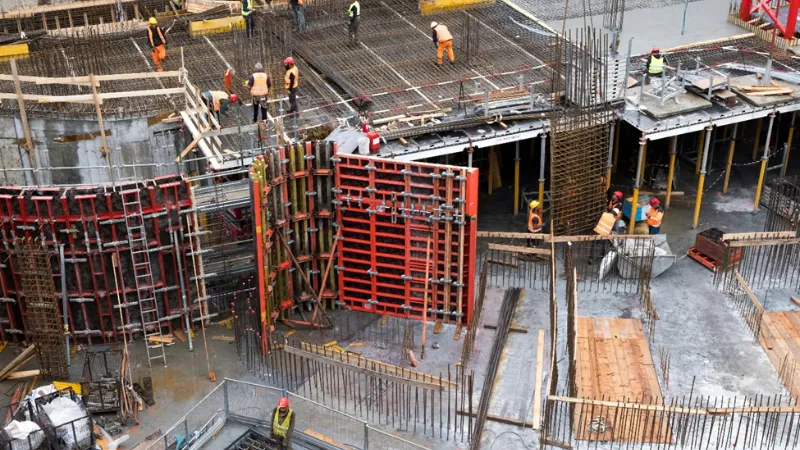
Construction is an important industry, and we are seeing more complex projects and client expectations. There has been a rise in demand for tailored designs and therefore the solutions for tailored design solutions are rapidly growing. Standard building designs are no longer enough to meet modern needs.
 Follow us
 Follow us
Businesses are now looking for more customized designs that will represent their brands values more and increase their businesses efficiency.
Tailored design focuses on creating structures that are built around specific purposes, environments, and operational goals. This approach is shaping the future of construction by offering smarter, more adaptable solutions.
What Is Tailored Design in Construction
Unique requirements are met through tailored designs and refer to the process of the planning and construction of the buildings. Tailored designs can mean personalized adjustments to the layout of the building, to the materials used, the structural features and even the technological integration. Some may want a focus on metal design and therefore request an arch structure that requires proper site preparation. All of these features go into the tailored planning of the less repetitive designs.
RECOMMENDED FOR YOU

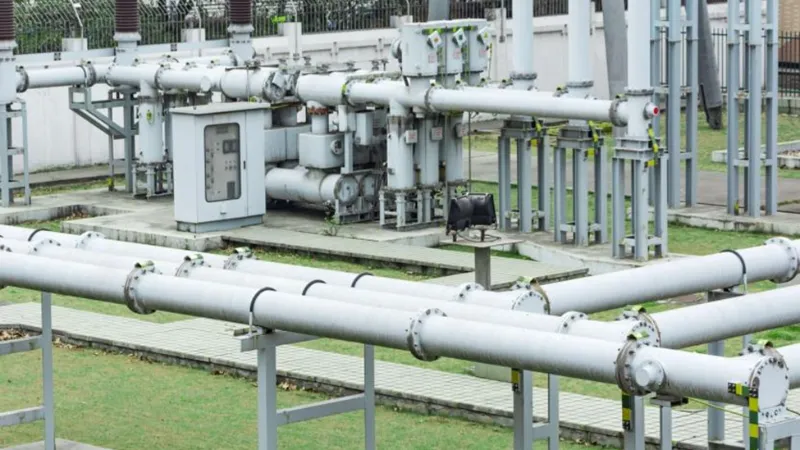

Rather than applying one size that fits all approaches, tailored design allows architects and builders to create structures that align closely with how they will be used. This leads to better performance and improved usability.
Tech advancements that are improving tailored designs
With there being so many technological advancements, we are seeing more tech inspired trends in the construction industry. This can be included in both the construction side and the buildings itself.
3D modeling is now being used in construction design processes and even 3D printing. It is ideal for custom, non-traditional building designs and can help minimize any waste. Technological upgrades are also being used in prefabrication. With factory-controlled environments and high-quality pieces being made, there will be less material waste and custom-built pieces to reduce construction time.
Drones are being utilized in buildings as well as helping construction sites get full overviews of structures and arial views. This can help showcase any issues that cannot be seen from the ground and therefore ensure that the custom-built areas are being assembled correctly and are working accordingly.
The Rising Demand for Custom Construction Solutions
The shift toward tailored design is backed by clear industry trends. It has been reported that over 65% of construction projects now include some form of customization. Studies have found that tailored building designs can improve operational efficiency by up to 25%.
Another statistic shows that 80% of clients prefer buildings that are designed specifically for their own needs rather than just having a generic structure.
These figures reflect a growing recognition that customized solutions deliver better results.
Why Tailored Design Is Shaping the Future
There is greater efficiency in building designs as they are made to have specific functions with workflows in mind and reduced operational delays. Having a say in construction designs allows for more sustainable elements to be included. From more energy efficient materials and systems to creating buildings so that they have a reduced environmental impact and reduced long term costs.
There tends to be a better return on investment and although more tailored designs have higher upfront costs, it often leads to lower maintenance slots and improved performance
Buildings Used on Construction Sites and Their Role in Modern Methods
Construction sites rely on a variety of temporary and semi-permanent buildings to support daily operations. These structures are becoming increasingly advanced as tailored design principles are applied to them.
Site Offices
Modern site offices are no longer basic cabins. They are designed with efficient layouts, integrated technology, and comfortable working environments to support project management teams.
Storage Units
Secure storage buildings are essential for protecting tools, equipment, and materials. Tailored designs ensure that these units are optimized for accessibility and safety.
Welfare Facilities
Facilities such as rest areas, changing rooms, and dining spaces are now built with employee wellbeing in mind. Customization allows these spaces to meet workforce needs while complying with regulations.
Modular Buildings in Construction Methods
Modular buildings are playing a major role in modern construction methods. These prefabricated units are manufactured off site and assembled on location. Tailored design ensures that each module fits seamlessly into the overall project.
This approach speeds up construction timelines and reduces waste. In fact, modular construction can reduce project duration by up to 30 percent compared to traditional methods.
How Tailored Design Improves Construction Processes
Depending on the choice of construction, projects can be completed faster. This is usually down to the design elements working together more efficiently. There tends to be more accurate design specifications which leads to a reduction in waste material. Both in time saves on both cost and sustainability measures.
Enhanced Safety
Like any building and construction sites there needs to be a focus on safety. Structures that are designed for the specific tasks being used on them reduce the overall risks of damage and therefore improve the overall safety conditions.
The Future Outlook for Construction
The future of construction will be defined by adaptability and innovation. Tailored design is expected to play a central role as technology continues to evolve and project requirements become more specialized.
Emerging trends such as digital modeling, automation, and sustainable materials will further enhance the ability to create customized structures. Industry forecasts suggest that tailored construction solutions will dominate new developments over the next decade.
Tailored design does not look like a fleeting trend; it instead looks like a choice that is growing in popularity. From advanced site buildings to innovative modular construction techniques, tailored design is improving efficiency, sustainability, and overall project success. As the construction industry continues to evolve, embracing customization will be key to staying competitive and meeting the demands of the future.
Recommended Stories for You

Startuprise Jul 4, 2026

Startuprise Sep 21, 2026
Startuprise Nov 3, 2025

Startuprise Dec 20, 2024

Startuprise Oct 16, 2025
Startuprise Mar 30, 2026
Trending Stories

7 Signs You Need a Financial Advisor in Singapore
Why Rent Car Dubai Is the Smartest Mobility Choice for Startups, Entrepreneurs, and Business Professionals

Tips to find a broker in Asia

The Future of Group Health Insurance: Trends and Best Practices
Practical Ideas to Use Custom Badges to Promote Your Business

How to Choose the Right Insurance Policy When Considering 1 Crore Term Insurance
Video localization: a first-market playbook for Asian startups

Talent Mapping How Recruiters Build Better Candidate Pipelines Before Hiring Begins