

Alibaba Faces Shareholder Lawsuit Over Alleged Megaspeed Ties and Export Control Risks
Nov 20, 2026 | By Carmela Catilo
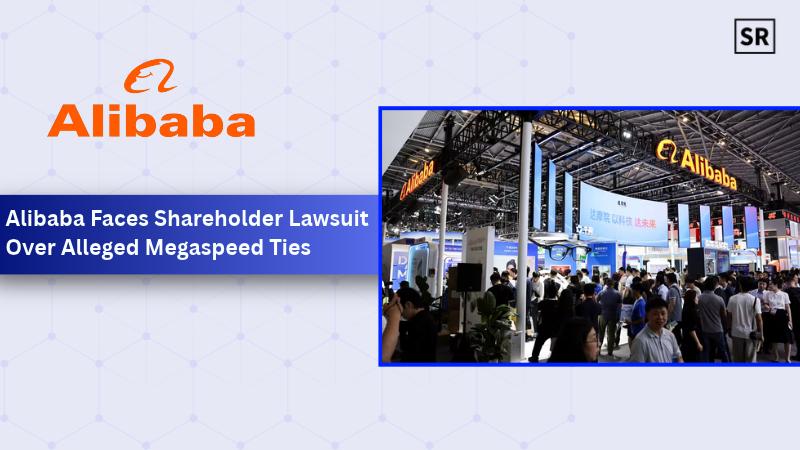
Chinese technology giant Alibaba is facing a proposed shareholder class-action lawsuit in the United States over its alleged business ties with Singapore-based AI infrastructure company Megaspeed. The lawsuit claims that Alibaba failed to disclose important information about the relationship and understated potential export-control risks in its annual reports.
 Follow us
 Follow us
The case was filed in Manhattan federal court on November 19, 2026. It names Alibaba CEO Eddie Wu and seeks unspecified damages on behalf of investors who held the company's American depositary shares (ADS) between May 23, 2024, and November 11, 2026.
Allegations Against Alibaba
According to the lawsuit, Alibaba became Megaspeed's dominant customer but did not adequately disclose the relationship to shareholders. Investors claim the company also failed to properly communicate the potential risks associated with US export controls.
The lawsuit argues that these alleged omissions left investors without important information about Alibaba's business relationships and regulatory exposure.
RECOMMENDED FOR YOU



XSquare Raises Pre-Seed Funding to Expand B2B Payments Platform in the GCC
Nguyen Minh
Aug 21, 2026
Megaspeed and Alice Huang Connection
Singapore-based Megaspeed has also attracted attention because of its reported connection to Alice Huang. Media reports identified Huang as a suspected Chinese spy with links to former Nvidia CEO Jensen Huang.
Megaspeed said Alice Huang left the company in 2025. The reported connection has brought additional attention to the company's business relationships and potential regulatory concerns.
Alibaba Shares Decline Following Reports
Shareholders claim that reports about Alibaba's alleged relationship with Megaspeed contributed to a decline in the company's stock price.
According to the lawsuit, Alibaba shares fell approximately 14% over four trading days following the reports. Investors argue that the company should have provided clearer information about the relationship and related risks.
US Export Controls Increase Pressure on Chip Industry
The lawsuit comes as US regulators are tightening export controls on advanced semiconductor shipments involving Singapore and Malaysia. These measures aim to prevent restricted chips from being redirected to China.
The developments could increase regulatory pressure on companies involved in international AI infrastructure and semiconductor supply chains.
Alibaba Yet to Comment on Lawsuit
Alibaba has not immediately responded to requests for comment on the lawsuit.
The company has previously received positive market attention following announcements involving Nvidia partnerships and data centre expansion plans. However, the latest legal action has raised questions about its disclosure practices and potential exposure to export-control regulations.
Read Also - Disseqt AI Secures $8 Mn to Expand Its AI Governance Platform Globally
Recommended Stories for You

Yan li Dec 2, 2025

Nguyen Minh Feb 1, 2024

Nguyen Minh Jun 20, 2024

Yan li Sep 25, 2025


Yan li Jun 6, 2025
Trending Stories

Astrophel Aerospace Raises INR 6.84 Crore in Pre-Seed Funding Round

Netrasemi Secures INR 107 Cr Funding Led by Zoho Corp and Unicorn India Ventures

Accion Ventures Raises $61.6 Million Second Fund, aims to allocate 30% to Indian startups

Edtech company Eruditus raises US$150 million for global growth

[FUNDING NEWS] India-Based Bluestone Secures $12 Million Debt Funding

Simplismart Secures $14 Mn to Improve AI Computing Efficiency

CLR Facility Services Secures $15 Million Funding from British International Investment

Unico Housing Finance Secures INR 120 Crore Funding from Anicut Capital