

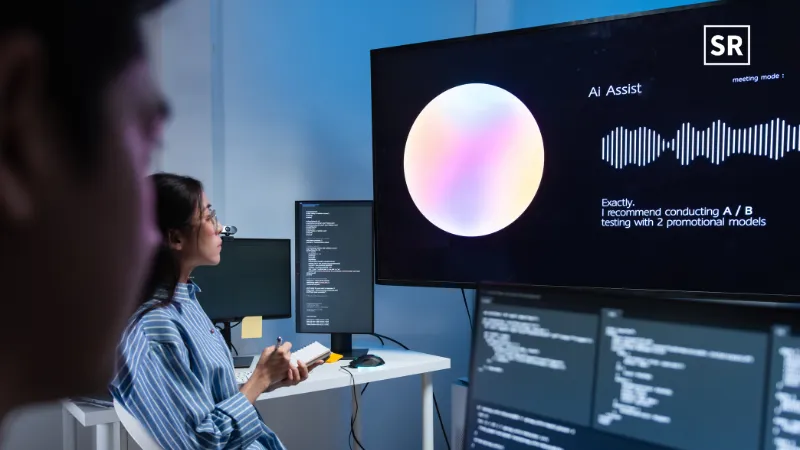
Creating a good voiceover used to mean finding the right voice artist, booking recording time, and spending hours editing the final audio. AI has made that process much simpler.
 Follow us
 Follow us
Today, you can type a script into an AI voice generator and turn it into a polished voiceover in minutes. The better tools can do much more than simply read text aloud. They can adjust tone, pace, pronunciation, emotion, and accent, while some can even clone a voice or translate it into different languages.
That makes AI voiceover tools useful for all kinds of projects, from YouTube videos and podcasts to audiobooks, online courses, advertisements, games, and business presentations.
But not every platform is built for the same purpose. Some focus on highly realistic voices, while others are better for voice cloning, video editing, dubbing, or professional production.
RECOMMENDED FOR YOU

How VocalNewsMedia com Helps Readers Stay Informed in the Digital Age
Nguyen Minh
Jun 10, 2026

Here are some of the best AI tools for voiceovers, along with what each one does particularly well.
1. ElevenLabs – Best for Natural-Sounding AI Voiceovers
If realistic AI voices are your priority, ElevenLabs is one of the strongest options to consider. The platform is designed to produce speech that sounds expressive and natural rather than flat or robotic.
An easily written script can be converted into audio, with the options to select from a wide range of voices or to develop a personalized voice through voice cloning.
Another advantage is the level of control you get over the voice. You can adjust elements such as pitch, tone, and speed to get closer to the sound you’re looking for. Developers can also connect ElevenLabs to their own applications through its API.
Important Characteristics:
- Sophisticated voice replication
- Multilingual voice synthesis
- Instantaneous dubbing and translation
- Voice trading platform
- Voice personalization
- API availability
Pros:
- Voices that sound very natural
- Powerful voice-cloning abilities
- Extensive support for various languages and accents
- Marketplace for custom voices
Cons:
- It has Certain advanced features with additional costs
- Usage and commercial rights differ depending on the plan
2. Murf AI – Best for Presentations and E-Learning
Murf AI is built with creators, educators, marketers, and businesses in mind. It offers a large selection of realistic voices and gives you plenty of control over how your final voiceover sounds.
You can fine-tune things like pitch, speed, emphasis, pronunciation, and intonation without needing professional audio-editing skills. Murf also works with tools such as Canva and Google Slides, which makes it particularly convenient for presentations, training materials, and marketing content.
Its simple interface allows you to move from a written script to completed narration without a complex production process.
Key Features:
- 200+ lifelike voices
- 20+ languages
- Pitch and speed controls
- Pronunciation and emphasis controls
- Canva integration
- Google Slides integration
- Video synchronization
Pros:
- Natural and customizable voices
- Easy to use
- Useful integrations
- Fast voice generation
Cons:
- Some voices may sound less natural than others
- It has Audio downloads
3. Lovo AI – Best for Emotional Voiceovers
Lovo AI focuses on giving creators realistic voices with more personality and emotional range. With 500+ voices across 100+ languages, there’s plenty of choice for different types of projects.
It has a more tailored outcome; you can modify the emotions, pitch, and pauses, or clone a voice. Lovo also features an audio and video editor, enabling you to incorporate music and sound effects and align your voiceover with the video without toggling between applications.
That makes it a practical choice for everything from advertisements and training videos to audiobooks and social media content.
Key Features:
- 500+ AI voices
- 100+ languages
- Voice cloning
- Multiple emotion options
- Pitch and pause controls
- Video editing
- Music and sound effects
Pros:
- Large voice and language library
- Strong emotional controls
- Voice cloning
- Built-in editing tools
- Suitable for different types of content
Cons:
- It has Premium features require higher-tier plans
- Customer support can sometimes be slow
4. PlayHT – Best for Multilingual Voiceovers
PlayHT is a good option if you need a large selection of voices and languages. The platform offers more than 900 voices across 100+ languages, making it suitable for creators producing content for international audiences.
You can adjust pronunciation, pitch, speed, emphasis, and pauses to make the generated speech fit your project. PlayHT also supports voice cloning and can create conversations using multiple voices.
It includes tools to remove background noise and offers an API for developers who want to integrate AI voice generation into their products or workflows.
Some important Characteristics:
- 900+ AI-generated voices
- 100+ languages available
- Voice replication
- Pronunciation management
- Adjustments for pitch and tempo
- Elimination of noise
- Access via API
Pros:
- Extensive assortment of languages and voices
- It has fast audio production
- Adaptable personalization
- Practical API
- Compatible with various audio formats
Cons:
- The interface may take some time for new users to understand
- Cancellation and refund terms can be restrictive
5. Fish Audio – Best for Fast Voice Cloning
Fish Audio is distinguished by its rapid voice cloning and meticulous emotion management. The S2 model can replicate a voice from a sample of just 15 seconds and produce speech in over 80 languages.
Its emotion control system is one of its more intriguing features. Tags like excited, whispering, or sad can be employed to affect the delivery of certain sections of a script. This provides creators with more control than just selecting a voice and clicking generate.
Fish Audio also includes speech-to-text, sound-effect generation, vocal removal, and a large library of community voice models.
Key Features:
- Voice cloning in 15 seconds
- It has more than 80 languages
- Emotion control labels
- It has community voice models exceeding 2 million
- Text-to-speech
- Sound effect creation
- Vocal track removal
- API availability
Pros:
- Very fast voice cloning
- Detailed emotion controls
- Large community voice library
- Several audio tools in one platform
- Fast API response
Cons:
- Free plan is limited to 7 minutes per month
- Commercial use of the open-weights model requires a paid license
6. Speechify – Best for Reading Text Aloud
Speechify takes a slightly different approach to AI voice generation. It’s particularly useful for people who want to turn written material into spoken audio.
You can use it to read articles, PDFs, ebooks, and even text captured from images using OCR. The platform offers more than 1,000 voices across 60+ languages, along with controls for speed, pitch, tone, and emotion.
Voice cloning and celebrity-style voices also add a creative element for users who want something beyond standard text-to-speech.
Key Features:
- 1,000+ voices
- 60+ languages
- OCR text reading
- Voice cloning
- It has pronunciation, then the controls
- Browser and mobile extensions
Pros:
- Easy way to turn written content into audio
- Lots of voice options
- Useful accessibility features
- Works across different devices
Cons:
- Free plan has limited voice options
- Some free voices may sound robotic
- Pricing is custom
7. Synthesys – Best for AI Voice and Avatar Videos
Synthesys goes beyond voiceovers by combining AI voices with avatars and video creation. The platform offers 700+ voices in more than 140 languages, along with voice cloning and customizable avatars.
You can adjust pitch, speed, and emotion, use multiple speakers, and synchronize voices with avatars or other visuals. This makes it useful for marketing videos, training materials, advertisements, podcasts, and other professional content.
For businesses creating content for international audiences, its multilingual capabilities can also make localization easier.
Key Features:
- 700 AI voices
- Supports more than 140 languages
- AI avatars
Pros:
- Large voice library
- Voice cloning and avatars
- Supports multilingual video
- Useful for professional content
Cons:
- Commercial features can become expensive
- Advanced features may take time to learn
8. Resemble AI – Best for Voice Cloning and Real-Time TTS
Resemble AI focuses heavily on voice cloning, real-time text-to-speech, and voice customization. With a relatively small voice sample, users can create a digital voice and generate speech in more than 150 languages.
The platform gives you control over elements such as pitch, speed, emotion, and timing. It can be used for videos, podcasts, games, accessibility tools, and business applications.
Security is another area where Resemble AI stands out. Its features include deepfake detection and audio watermarking, while developers can integrate the technology through APIs and SDKs.
Key Features
- It supports more than 150+ languages
- Real-time text-to-speech
- Speech-to-speech conversion
- API and SDK support
Pros
- Powerful voice cloning
- Real-time voice conversion
- Strong security features
- Useful tools for developers
Cons
- Advanced integrations may require some technical expertise
- The initial setup can feel a little complicated for beginners
9. WellSaid Labs – Best for Professional Business Voiceovers
WellSaid Labs is geared toward businesses and professional content teams that want polished, consistent AI narration. Its voices are designed to sound natural and are particularly suited to e-learning, corporate training, marketing, and other professional projects.
WellSaid Labs offers more than 50 professional voice avatars, giving users plenty of options for creating polished, natural-sounding voiceovers. You can also adjust pronunciation and speech to better align the final audio with your content.
Key Features:
- Support for more than 50 professional voice avatars
- Customize the voice options
- Good Team collaboration
- Export formats
- API access
- Enterprise security features
Pros:
- Clear, professional voice quality
- It has Strong business-focused features
- Collaboration tools
- Enterprise security
- Useful integrations
Cons:
- Primarily focused on English
- More expensive than many alternatives
10. Descript – Best for Voice and Video Editing
Descript is more than an AI voice generator. Its biggest strength is the way it combines voice generation with audio and video editing.
Instead of editing a video through a traditional timeline, you can work with a transcript and make changes to the content almost like editing a document. Descript also includes Overdub voice synthesis, stock AI voices, automatic filler-word removal, noise reduction, captions, and other editing features.
For podcasters and video creators who want to handle both voice generation and editing in one place, that combination can be extremely useful.
Key Features:
- AI voice generation
- Overdub voice cloning
- Text-based audio and video editing
- Automatic filler-word removal
- Studio Sound
- Caption generation
- Noise reduction
Pros:
- Easy-to-use interface
- Combines voice generation and editing
- Useful for podcasts and videos
- Removes filler words automatically
- Supports multilingual content
Cons:
- Not ideal for very large or complex files
- Some AI voices may lack emotional depth
11. Altered – Best for Real-Time Voice Transformation
Altered focuses on voice transformation as much as traditional text-to-speech. It offers more than 100 realistic voices across 50+ languages and lets users modify aspects such as accent, age, gender, pitch, tone, pace, and emotion.
The platform is of special interest for gaming, dubbing, podcasts, commercials, and video production. It provides real-time conversion, batch processing, voice cloning, and AI voice cleaning, with a desktop app, API, and DAW plugins that integrate smoothly into current production workflows.
Characteristics:
- It supports more than 100+ voices
- 50+ languages
- Voice morphing in real-time
- Voice replication
- Accent adjustment
- Voice enhancement
- Batch processing
- API and DAW integrations
Pros:
- Adaptable voice conversion
- Beneficial for gaming and voice-over work
- Voice cloning is supported
- Features that focus on privacy
- Compatible with professional production workflows
Cons:
- Certain voice-morphing features come with an additional cost.
- It may take time to master advanced tools.
- Prices are tailored
Conclusion
AI voiceover technology has come a long way. What once required microphones, recording studios, voice actors, and hours of editing can now be handled from a browser or desktop application.
The right tool can nevertheless save creators and businesses a huge amount of time. Whether you’re narrating YouTube videos, building an online course, producing an audiobook, creating advertisements, or localizing content for another market, AI voice generators make professional-sounding voiceovers far more accessible.
FAQs
What is the best AI tool for voiceovers?
Can AI tools clone a real person’s voice?
Which AI voiceover tool is best for YouTube videos?
What is an AI voiceover tool?
Can AI voice tools clone a real person’s voice?
Are AI-generated voices realistic?
What can I use AI voiceovers for?
Can I control the tone and emotion of an AI voice?
Is AI voiceover suitable for YouTube videos?
Recommended Stories for You
Yan li Dec 9, 2025

Nguyen Minh Jun 26, 2026

Yan li Feb 27, 2026

Yan li Oct 3, 2025
Trending Stories
Moomoo Malaysia – Company Profile, Founder, Funding and Reviews

Thailand tourism – tourist places, tour packages

Golden Blood: The World’s Rarest Blood Type

Franchise business in Vietnam 2025

How to Start an Eco-Friendly Business in 2026: Ideas, Steps, and Tips for Success

Motherhood Malaysia’s – Leading Parenting & E-commerce Platform
New Software Wuvdbugflox Overview: A Modern Tool for Smarter Workflows and Productivity

5 Best MBA Programs for Tech Jobs