

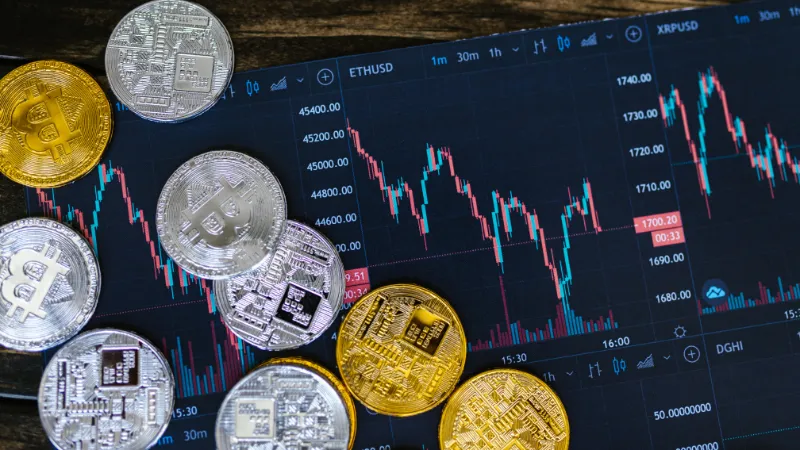
Gold trading has been experiencing rapid growth in Malaysia as more residents search for ways to offset the impact of economic uncertainties, geopolitical volatility and high inflation. Gold trading has become a financial hedge, with the demand for gold seeing a significant rise in 2025, with a 37% increase in the sale of gold coins and bars.
 Follow us
 Follow us
Gold has a long history of being used as a financial safe-hedge, especially by people who live in countries where the local currency is notoriously unreliable. For Malaysians, the ongoing currency devaluation, coupled with the global economic turbulence, has made this safe asset more appealing to a newer generation of Malaysians.
The expansion of gold trading in Malaysia has also inspired the emergence of a new niche within the world of startups. While gold itself is still a traditional asset, the rising demand has given rise to new Fintech and Web3 startups that are using advancements in technology to solve old problems related to things like high entry costs, storage and liquidity.
How Startups Are Positioning Gold as a Service
At first, you may not see how gold trading has anything to do with startup culture, but modern technology has facilitated the emergence of several new sectors that make gold trading more accessible, seamless and enhanced than ever before. One such offshoot is the startups that have veered away from the traditional jewelry shop to a more modern, digital-first system.
RECOMMENDED FOR YOU


These companies essentially play the role of a middleman that fractionalizes gold and makes it accessible to a far broader demographic of people. Micro-investing sites, for example, make it possible for you to buy gold for as little as RM1.
Some of the major players within the fintech world have also partnered with startups to embed gold trading into their daily apps. By integrating with e-wallets that allow you to invest in gold starting from RM10, these sites have been able to generate a massive user base overnight.
Why Blockchain and Tokenization Have Made Gold More Liquid and Transparent
Some startups in Malaysia have started using blockchain technology to tokenize physical gold. By doing this, they're turning a static asset into a highly liquid, transparent and divisible digital currency. Through placing LBMA-certified (London Bullion Market Association) gold on decentralized ledgers, these companies can facilitate:
- 24/7 trading
- Functional ownership
- Tamper-proof ownership records
Enhanced Liquidity
Malaysian startups have dismantled the barriers to entry and made instant gold trading a reality. Blockchain makes it possible for physical gold to be broken down into smaller, more affordable units, thereby making it accessible to retail traders as opposed to being monopolized by institutional holders.
Increased Trust and Transparency
The incorporation of blockchain technology removes the need for a trusted intermediary by facilitating the availability of tamper-proof ownership and provenance records:
- Each gold token is linked to a specific physical bar that's located in a secure vault.
- Smart contracts are used to manage the minting and burning of tokens, which helps to ensure that there's a 1:1 match with the physical reserves.
- Some companies have even developed Shariah-compliant tokens, opening the market to Muslim investors who require strict adherence to the Islamic financial principles.
The incorporation of blockchain technology has made digital gold trading safer and more reliable, mitigating many of the fears regarding potential fraud risks from negatively impacting the growing sector.
What Gold Trading Means For Startup Treasury Management
The impact of gold trading on startups in Malaysia doesn't just stop at what these startups are building. It has also influenced how they survive by providing startups with a reliable buffer against depreciating currency, as well as the tax-free benefits available on investment in precious metals (IPM) in Malaysia.
Now, startups in Malaysia can use gold to:
- Hedge their cash reserves as startups in high-inflation environments are beginning to allocate between 5 and 10% their disposable income or treasury toward gold or gold-affiliated assets as a way to protect themselves against currency depreciation.
- Collateral for loans, because some emerging fintech companies allow startups to put their gold up as collateral to gain a business loan.
Since Malaysia is one of the global leaders in terms of Islamic finance, startups that can prove their gold trading is Shariah-compliant gain a significant competitive edge in the market.
A Financial Asset Worth Investing In For Startups
Startups in Malaysia are operating in an incredibly volatile and unpredictable economic landscape. As such, finding reliable ways to safeguard their capital has become of paramount importance. Gold trading has become one of the most sought-after avenues for this purpose, given gold's historical reliability as a financial hedge.
The availability of tokenized gold trading has also made this financial asset more accessible to retail traders. Advancements in technology that have facilitated online investments have made gold trading more convenient than ever before, with the incorporation of blockchain technology ensuring that the emerging niche is safe and transparent.
Recommended Stories for You

What to Consider Before Choosing a Modern Luxury Stay in Goa for a Perfect Coastal Experience
Startuprise Jun 10, 2026

Startuprise Nov 25, 2024

Startuprise Aug 14, 2026

Startuprise Oct 8, 2026
Startuprise Aug 12, 2026

Startuprise Mar 21, 2025
Trending Stories
7 Signs You Need a Financial Advisor in Singapore

Why Rent Car Dubai Is the Smartest Mobility Choice for Startups, Entrepreneurs, and Business Professionals

Tips to find a broker in Asia
The Future of Group Health Insurance: Trends and Best Practices

Practical Ideas to Use Custom Badges to Promote Your Business

How to Choose the Right Insurance Policy When Considering 1 Crore Term Insurance
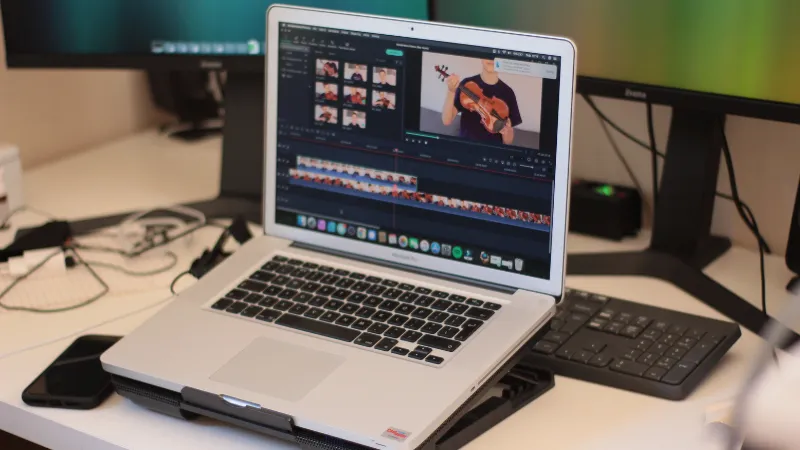
Video localization: a first-market playbook for Asian startups
Talent Mapping How Recruiters Build Better Candidate Pipelines Before Hiring Begins