
Global markets are having a rough time of it. Geopolitical tensions, the hangover of post-pandemic monetary policy, and a US Federal Reserve that has kept investors guessing have all combined to push people toward familiar shelters. For Egyptian investors, the calculus is slightly different from what someone in London or New York might face. The pound's turbulence over recent years has left many people here quietly determined never to be caught flat-footed again.
 Follow us
 Follow us
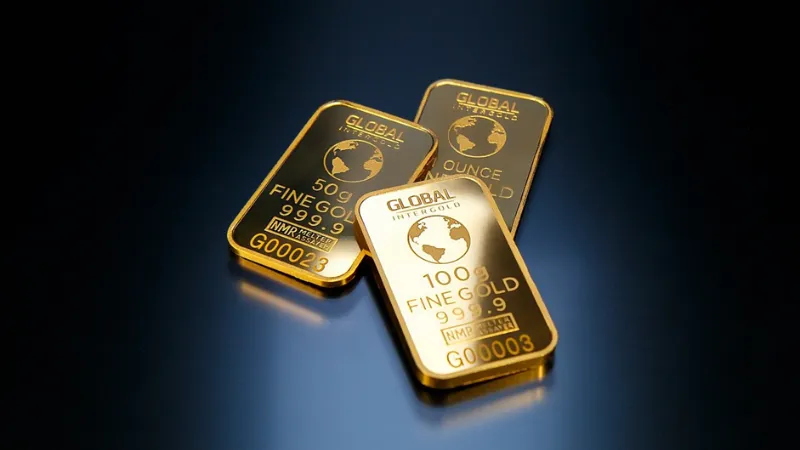
So where does that leave gold? Egyptians have always had a relationship with the metal that goes beyond spreadsheets. Grandmothers keep it in drawers. Weddings are measured in it. Watching the gold price is something millions of households do almost instinctively. But 2026 is not your grandmother's market, and it is worth asking whether gold has genuinely kept pace with the alternatives, or whether loyalty to the metal is starting to outrun the logic.
The Case for Gold Has Not Disappeared
Start with what gold actually does well. It holds value across long time horizons. It is nobody's liability. When confidence in governments or banking systems erodes, as it has in various corners of the world over the past few years, gold tends to benefit simply because it sits outside those systems entirely.
Central banks have continued buying. That matters. Emerging market central banks in particular have been adding to reserves steadily, partly to reduce exposure to the US dollar. Egypt's own Central Bank has been part of this broader regional and global shift. When the institutions managing national balance sheets are buyers, that tells you something about where serious money sees value.
RECOMMENDED FOR YOU


What Has Changed in 2026
The honest answer is that gold faces more credible competition than it did a decade ago. US Treasury bills, for instance, are currently yielding enough to make them genuinely attractive as a short-term refuge. That was not the case when rates were near zero. Investors no longer have to sacrifice income just to stay safe, which changes the conversation around gold somewhat.
Some investors have also warmed to the idea of Bitcoin as a hedge, though this remains a divisive view. The volatility in crypto markets makes it a hard sell to anyone whose primary goal is capital preservation rather than speculative gain. It is a hedge for some portfolios, not a replacement for gold.
What This Means for Investors in Egypt
Currency exposure is the piece that often gets overlooked in these broader discussions. For someone holding Egyptian pounds, an asset priced in US dollars does double duty. It provides the underlying stability of the asset itself, and it insulates against any further local currency depreciation. Gold provides both. So do dollar-denominated instruments, of course, but they lack the same universal liquidity and cultural familiarity.
Practically speaking, gold also remains one of the most accessible investment options for ordinary Egyptians. You do not need a brokerage account or a sophisticated understanding of markets to buy a coin or a small bar. That accessibility is underrated.
The Bigger Picture
No single asset deserves all of your trust. That is true of gold just as it is true of anything else. The investors who have fared best in uncertain periods tend to be the ones who spread risk sensibly rather than betting everything on one thesis, however historically sound that thesis might be.
With that said, gold's combination of liquidity, universal recognition, dollar pricing, and cultural resonance in this part of the world keeps it at the centre of most serious conversations about wealth protection in 2026. The challengers are real, but none of them have yet given Egyptian investors a compelling reason to look away.
Recommended Stories for You

Startuprise Feb 24, 2026

Startuprise Mar 24, 2026
Startuprise Sep 22, 2026

Startuprise Feb 25, 2026

Startuprise Aug 25, 2026
Startuprise Nov 28, 2024
Trending Stories

Why Rent Car Dubai Is the Smartest Mobility Choice for Startups, Entrepreneurs, and Business Professionals

Tips to find a broker in Asia

The Future of Group Health Insurance: Trends and Best Practices

Practical Ideas to Use Custom Badges to Promote Your Business

How to Choose the Right Insurance Policy When Considering 1 Crore Term Insurance
Video localization: a first-market playbook for Asian startups

Talent Mapping How Recruiters Build Better Candidate Pipelines Before Hiring Begins
The Best Curtains and the Sharpest Knives for Your Kitchen: Elevating Your Culinary Space