
How to Start an Eco-Friendly Business in 2026: Ideas, Steps, and Tips for Success
Sep 2, 2026 | By Nguyen Minh
 Follow us
 Follow us
Starting a business in 2026 is no longer only about making money.
Customers are paying more attention to where products come from, how they are made, how much packaging they use, and what happens after they are thrown away. Many people now prefer businesses that reduce waste, use resources responsibly, and take environmental issues seriously.
That is why eco-friendly businesses continue to attract attention. But starting a sustainable business does not mean putting the word “green” on your website or using recyclable packaging for one product.
A truly eco-friendly business looks at the bigger picture. It considers how products are sourced, manufactured, packaged, delivered, used, and eventually disposed of.
The good news is that you do not need to build a huge solar company or invent a revolutionary technology to start an environmentally responsible business. A small online store, cleaning service, food business, consulting company, clothing brand, or local service can also make sustainability part of its business model.
This guide explains how to start an eco-friendly business in 2026, choose the right idea, build a sustainable business model, find customers, and avoid common mistakes.
What Is an Eco-Friendly Business?
An eco-friendly business is a company that tries to reduce its negative impact on the environment.
This can happen in many different ways.
For example, an eco-friendly business may:
- Reduce unnecessary waste
- Minimise energy consumption
- Sell reusable products
- Offer repair or recycling services
- Reduce the use of single-use materials
- Work with environmentally responsible suppliers
- Design products that last longer
- Use more efficient delivery and logistics systems
Why Start an Eco-Friendly Business in 2026?
Many customers now want to know more about the businesses they support. They may look at packaging, ingredients, sourcing practices, product quality, and how long a product is expected to last.
At the same time, sustainable business practices can sometimes help companies reduce costs.
For example, reducing unnecessary packaging may lower packaging expenses. Using less energy can reduce utility costs. Designing durable products can reduce waste and improve customer satisfaction.
However, sustainability alone is not enough to create a successful company.
Your business still needs to solve a real problem.
People may like the idea of supporting an environmentally friendly brand, but they also expect the product or service to work.
Step 1: Choose an Eco-Friendly Business Idea
The first step is deciding what type of business you want to start.
You do not have to invent a completely new industry.
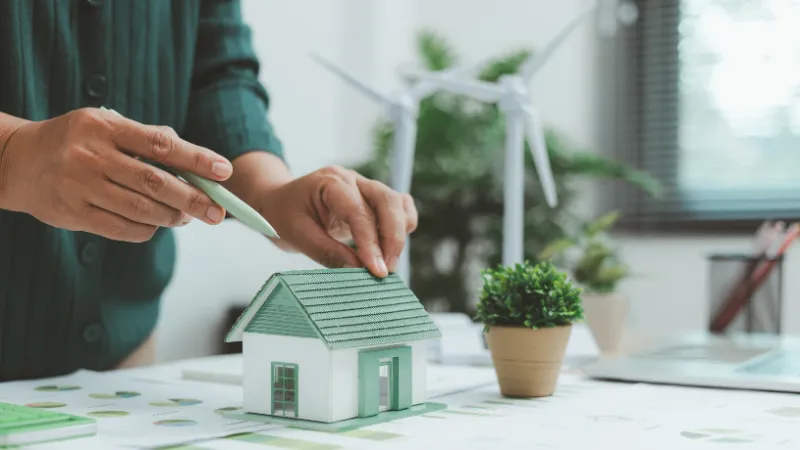
Sometimes, the best opportunity is to improve an existing business model.
Sustainable Online Store
You can sell products designed to reduce waste or replace disposable items.
Examples may include:
- Reusable household products
- Refillable containers
- Reusable bottles
- Sustainable personal care products
- Recycled products
- Plastic-free alternatives
The key is to avoid selling products simply because they look “green.”
Make sure there is real customer demand.
Eco-Friendly Cleaning Business
Many customers want cleaning services that use products they consider safer for their homes and the environment.
A cleaning company could focus on:
- Reducing harsh chemical use
- Using reusable cleaning materials
- Minimizing unnecessary plastic waste
- Choosing concentrated products to reduce packaging
This can work particularly well as a local service business.
Sustainable Clothing Brand
The fashion industry creates new opportunities for businesses focused on:
- Recycled materials
- Durable clothing
- Second-hand fashion
- Clothing repair
- Upcycling
- Made-to-order products
Recycling or Upcycling Business
Some businesses make money by giving old materials a second life.
For example, a company may transform discarded materials into:
- Furniture
- Home décor
- Accessories
- Art
- Building materials
The challenge is finding a reliable supply of materials and creating products that customers genuinely want to buy.
Repair Business
One of the simplest ways to reduce waste is to help people use products longer.
Repair businesses can focus on items such as:
- Electronics
- Furniture
- Clothing
- Appliances
- Bicycles
Instead of encouraging customers to replace everything, a repair business helps extend the life of existing products.
Sustainable Food Business
Food businesses can explore ways to reduce waste through better planning, local sourcing where practical, reusable packaging, or improved inventory management.
However, food businesses also have health, safety, and licensing requirements, so make sure you understand the regulations in your location before launching.
Step 2: Research the Market Before Spending Money
One of the biggest mistakes entrepreneurs make is falling in love with an idea before checking whether customers actually want it.
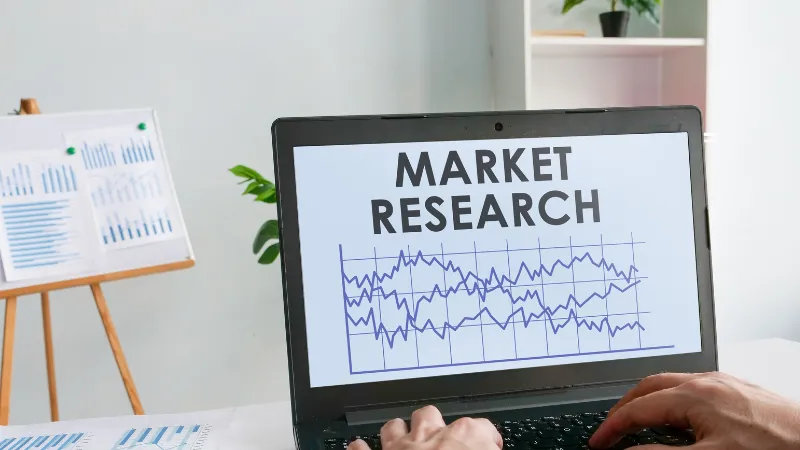
Just because a product is environmentally friendly does not automatically mean people will buy it.
Before investing heavily, research the market.
Look for answers to questions such as:
- Who is your target customer?
- What problem are you solving?
- How much are customers willing to pay?
- Who are your competitors?
- What are customers complaining about?
- What makes your business different?
Read customer reviews for competing businesses.
Negative reviews can be especially useful.
If people repeatedly complain about excessive packaging, poor product quality, short product life, or high prices, those complaints may reveal an opportunity.
Your goal is not to copy competitors.
Your goal is to find a better way to serve customers.
Step 3: Define What Makes Your Business Sustainable
This is where many businesses become unclear.
They want to be environmentally friendly, but they cannot explain exactly what they are doing differently.

RECOMMENDED FOR YOU


Try to identify specific areas where your business will reduce its environmental impact.
Product Sourcing
Where do your materials come from?
Are there opportunities to:
- Buy locally when practical
- Use recycled materials
- Choose more durable materials
- Work with responsible suppliers
Manufacturing
If you manufacture products, consider:
- Material waste
- Energy use
- Water use
- Production efficiency
- Product durability
Packaging
Packaging is often one of the easiest areas to review.
Ask yourself:
Does this packaging actually need to exist?
If the answer is no, remove it.
If packaging is necessary, look for ways to reduce the amount used.
Shipping
Shipping is another area where businesses can improve efficiency.
For example, you may reduce unnecessary shipments by improving inventory planning or encouraging customers to combine orders.
Step 4: Create a Realistic Business Plan
You do not necessarily need a 50-page business plan.
But you should understand how your business will make money.
Your plan should answer:
- What are you selling?
- Who will buy it?
- How will you make money?
- What will it cost to operate?
- How much will you charge?
- How will you reach customers?
- What makes your business different?
Sustainable products sometimes cost more to produce.
Step 5: Choose Your Business Structure

You can choose from these options:
- Sole proprietorship
- Partnership
- Limited liability company (LLC)
- Corporation
Step 6: Make Your Supply Chain More Sustainable
Your supply chain can have a major impact on your business.
Even if you have the greatest eco-friendly product idea in the world, your overall environmental effect could still be substantial if your materials are supplied through inefficient processes, heavily wasted, or improperly packaged.
You do not need to control every part of your supply chain.
Start by asking suppliers a few simple questions.
For example:
- Where do the materials come from?
- How are products packaged?
- Are recycled materials available?
- Can orders be shipped with less packaging?
- Are there lower-waste alternatives?
Small improvements can add up over time.
Step 7: Reduce Waste From the Beginning
It is much easier to build efficient systems at the beginning than to fix wasteful processes later.
Look at your daily operations and identify unnecessary waste.
This may include:
- Excess packaging
- Disposable office products
- Overstocked inventory
- Unnecessary printing
- Product returns
- Damaged inventory
Reducing waste can be good for both the environment and your budget.
For example, better inventory management can reduce the number of products that expire, become damaged, or never sell.
Step 8: Be Honest About Your Environmental Claims
Customers are becoming more skeptical of vague environmental marketing.
Words such as:
- Green
- Natural
- Sustainable
- Eco-friendly
Can sound impressive, but they should not be used without explaining what they actually mean.
This is sometimes referred to as greenwashing when a business makes environmental claims that exaggerate or misrepresent its actual practices.
Step 9: Register Your Business and Handle Legal Requirements
Your eco-friendly mission does not remove normal business responsibilities.
You may still need to:
- Register your business
- Obtain a tax identification number
- Apply for licenses
- Obtain permits
- Register for applicable taxes
- Follow employment laws
- Purchase appropriate insurance
Requirements depend on your business type and location.
Step 10: Build a Brand Around More Than Sustainability
Sustainability can be an important part of your brand.
But it should not be the only reason customers choose you.
Your business also needs to be:
- Useful
- Reliable
- Convenient
- Fairly priced
- Easy to understand
Think about two similar products.
One is environmentally friendly but difficult to use, expensive, and unreliable.
The other works well, lasts a long time, and also reduces waste.
Most customers will choose the second option.
The best sustainable businesses make the environmentally responsible choice feel like the practical choice.
How Much Does It Cost to Start an Eco-Friendly Business?
The cost depends heavily on the type of business.
A consulting or online service business may be started with relatively little money.
A manufacturing, recycling, or food business may require significant investment.
Common startup expenses may include:
- Business registration
- Licenses and permits
- Equipment
- Inventory
- Packaging
- Website development
- Insurance
- Marketing
- Software
- Rent
- Employee costs
Make a realistic budget before launching.
Also, remember that sustainable materials and production methods can sometimes cost more.
Build those costs into your pricing and financial planning.
Common Mistakes to Avoid
Focusing Only on Being “Green”
Being eco-friendly is not enough.
Your business must still solve a real customer problem.
Making Vague Environmental Claims
Be specific about what your business actually does.
Avoid making promises you cannot prove.
Ignoring Profitability
A sustainable business still needs a sustainable financial model.
Track costs carefully and make sure your pricing allows the company to survive.
Buying Too Much Inventory
Test demand before investing heavily.
Unsold products can become both a financial problem and a source of unnecessary waste.
Choosing Expensive Sustainable Options Without Testing Them
Not every environmentally friendly solution makes financial sense for every business.
Start with practical improvements that fit your budget.
Trying to Change Everything at Once
You do not have to create a perfect zero-waste business immediately.
Start with the biggest opportunities and improve over time.
The Future of Eco-Friendly Businesses
Eco-friendly business is likely to continue evolving in 2026 and beyond.
Customers are becoming more aware of issues such as waste, packaging, product durability, and responsible sourcing.
Technology is also creating new opportunities.
Businesses can use better inventory systems, digital tools, efficient logistics, and improved materials to reduce waste and operate more efficiently.
The future may not belong only to businesses that call themselves sustainable.
It may belong to businesses that find smarter ways to use resources.
The companies that succeed will likely be the ones that combine environmental responsibility with quality, convenience, and strong customer service.
Conclusion
Starting an eco-friendly business in 2026 does not require you to change the entire world overnight.
Start with one clear problem. Find customers who care about solving that problem.
Then look at how your business can use fewer resources, create less waste, and make more responsible choices.
You simply need to be honest about where you are today and committed to improving.
Whether you start an online store, cleaning service, clothing brand, repair company, food business, or recycling business, sustainability can become part of the way you operate.
The most successful eco-friendly businesses will not ask customers to choose between convenience and responsibility.
FAQs
What are the best eco-friendly business ideas in 2026?
Do I need a lot of money to start an eco-friendly business?
How do I know if customers will buy my eco-friendly product?
What is greenwashing?
How can I make my existing business more eco-friendly?
Is an eco-friendly business profitable?
Recommended Stories for You

Nguyen Minh Jul 9, 2026

Yan li Sep 4, 2025

Yan li Sep 26, 2025
Yan li Feb 17, 2026

Yan li Jun 9, 2026

Yan li May 29, 2026
Trending Stories

Franchise business in Vietnam 2025

How to Start an E-Commerce Business in Singapore: A Complete Guide
Motherhood Malaysia’s – Leading Parenting & E-commerce Platform

New Software Wuvdbugflox Overview: A Modern Tool for Smarter Workflows and Productivity

5 Best MBA Programs for Tech Jobs
How to Calculate Overtime Pay in Malaysia: A Step-by-Step Guide

Autohome Aims to Revolutionize Car Buying Worldwide with AI

Shaping the UAE’s Future Economy: A Global Startup Magnet Drawing the Next Wave of Indian Talent