

Maxim’s Group Partners with Tencent Cloud to Expand AI and Data Capabilities
Nov 27, 2026 | By Carmela Catilo
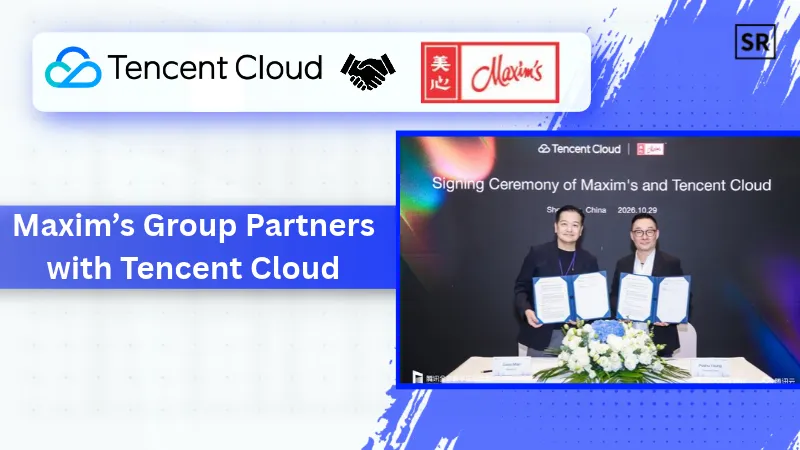
Hong Kong-based food and beverage group Maxim’s Group has announced a strategic collaboration with Tencent Cloud to strengthen its cloud infrastructure, customer data capabilities and artificial intelligence (AI) adoption. The partnership aims to support the company's digital transformation and improve connectivity across its brands, markets and customer touchpoints.
 Follow us
 Follow us
The collaboration was announced at the 2026 Tencent Global Digital Ecosystem Summit on November 27, 2026. It will support Maxim’s “One Maxim’s” vision and its “From Bricks to Clicks” transformation strategy.
Strengthening Cloud Infrastructure Across Markets
Founded in 1956, Maxim’s Group operates more than 2,000 outlets across over 70 brands and employs more than 20,000 people. The company aims to strengthen digital operations, integrate customer data and improve coordination across its businesses in different markets.
Tencent Cloud will support these objectives through its Infrastructure-as-a-Service (IaaS) capabilities. Its cloud infrastructure offers public cloud, hybrid cloud and on-premises deployment options, allowing Maxim’s to manage operations across Hong Kong, mainland China and Southeast Asia while maintaining flexibility over data governance and residency requirements.
RECOMMENDED FOR YOU



Improving Customer Engagement Through Digital Platforms
The partnership will also focus on improving Maxim’s omnichannel customer engagement strategy by connecting its digital and physical customer touchpoints.
The collaboration will build on Maxim’s existing Eatizen loyalty programme and its Weixin (WeChat) Mini Program in mainland China. Tencent will bring its consumer ecosystem technologies, including Mini Programs, live video, social customer relationship management (CRM) and marketing tools.
These capabilities are expected to help Maxim’s strengthen customer loyalty, improve retention and provide more personalized customer experiences.
Expanding AI Adoption Across Business Operations
Artificial intelligence will be another important area of the collaboration. Maxim’s already uses AI-based applications such as personalized offers, dynamic pricing and smart ordering.
The partnership will introduce Tencent WorkBuddy, an enterprise AI workspace designed to help employees access information, collaborate and manage routine tasks through AI-powered assistance.
It will also leverage Tencent's Agent Development Platform (ADP), which provides tools to build, deploy and manage AI agents across different brands and markets.
Through these technologies, Maxim’s aims to improve operational efficiency, increase employee productivity and enhance customer experiences. The company also expects AI-enabled solutions to help address labour challenges across frontline and back-office operations.
Supporting Maxim’s Digital Transformation Strategy
Poshu Yeung, Senior Vice President of Tencent Cloud and Head of Tencent Cloud International, said the collaboration would combine Tencent Cloud's infrastructure, consumer ecosystem and AI technologies to create a more connected and data-driven operating model for Maxim’s Group.
Louis Mah, Director of Group Information Technology at Maxim’s Group, said the partnership would strengthen digital capabilities across the company's brands, customer experiences and operations.
The collaboration is built around three areas: One Cloud, One Ecosystem and One AI Fabric. Together, these capabilities are expected to support Maxim’s long-term growth, improve internal collaboration and advance its digital transformation strategy.
About Maxim’s Group
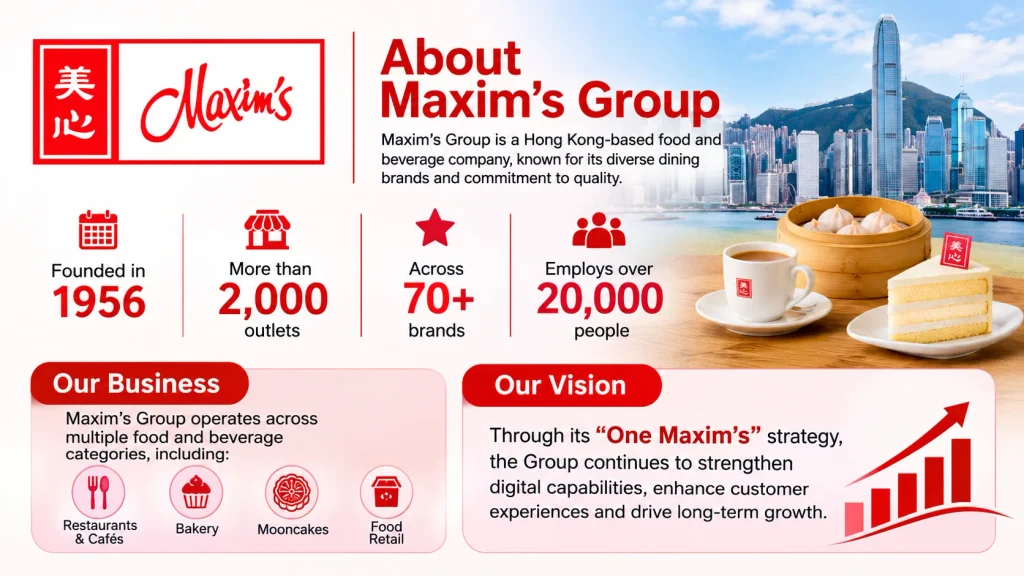
Maxim’s Group is a Hong Kong-based food and beverage company founded in 1956. It operates more than 2,000 outlets across over 70 brands and employs more than 20,000 people. The company operates across multiple food and beverage categories and continues to expand its digital capabilities through its One Maxim’s strategy.
Read Also - Viettel Telecom Launches Starlink Satellite Internet Service in Vietnam
Recommended Stories for You
Yan li Jun 30, 2025

Nguyen Minh Apr 18, 2024


Nguyen Minh Mar 7, 2024

Yan li Nov 18, 2025

Nguyen Minh Jul 7, 2026
Trending Stories
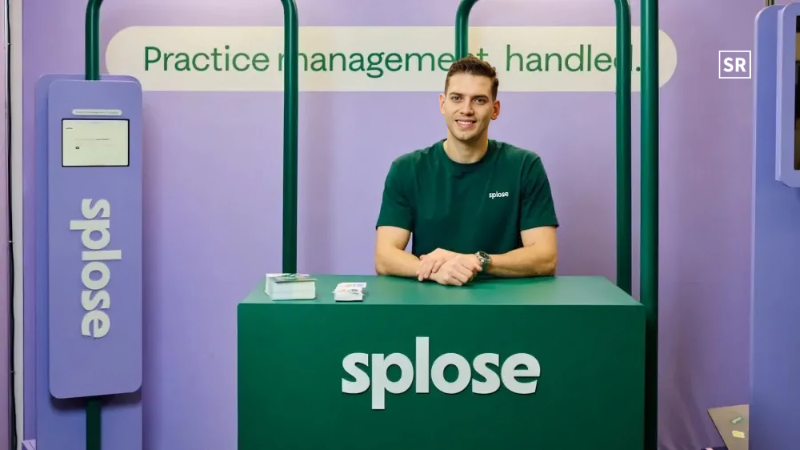
Adelaide-Based Splose Secures $46M in Series A Funding

Smart Antenna Startup Zetifi Secures $5 Million Grant
Factory raises $4.69 million Series A round led by Shearwater Capital
Perth-Based Indrus secures $526 K to Expand AI-Powered Logistics Technology

Wable Raises $1.5M to Expand Neurodivergent Social Network Globally
Identitii Sells Remaining Stake in Payble to OIF Ventures for $1.6 Million

Isaacus Raises $700,000 in a pre-seed funding round

Q-CTRL Secures AU$38M DARPA Contracts to Develop GPS-Free Quantum Sensors