

How to Start a Business: A Complete Guide for Beginners
Sep 26, 2026 | By Carmela Catilo

 Follow us
 Follow us
Starting a business can be exciting. You have an idea, a product, or a service you believe people will want, and it is tempting to jump straight into getting things moving.
But a good idea is only the beginning.
Before opening your doors, there are several things worth thinking through. You need to understand your market, know who your customers are, work out how the business will make money, and prepare for the costs and responsibilities that come with running a company.
You will also need to think about your legal structure, licenses, insurance, marketing, and how you will handle day-to-day operations.
It may sound like a lot, especially when you are just getting started. The good news is that you do not have to figure everything out at once.
Taking these decisions one step at a time can give your business a much stronger foundation.
What Should You Research Before Starting a Business?
Research is one of the best places to start because it helps you understand whether your idea has a real market.
Before investing heavily, take some time to learn about your customers, competitors, and location. Surveys, interviews, and focus groups can help you find out whether people actually want your product or service and what they expect from it.
You should also think about who your customers are and where they live or work.
That information can help you choose a convenient location if you operate from a physical site. It can also help you divide your audience into groups based on factors such as age, preferences, and other characteristics, so your marketing feels more relevant.
Your competitors deserve attention too.
Look at where they operate, what they sell, how they reach customers, what they do well, and where they appear to struggle.
You are not trying to copy them. You are trying to understand the market well enough to find a better way to position your own business.
Why Do You Need a Business Plan?

Once you have researched the market, the next step is putting your ideas into a business plan.
Think of it as a working map for the business. It should explain what you want to achieve, how you plan to get there, and what you will need along the way.
A useful business plan can cover:
- Your business goals
- Your target customers
- Your products or services
- Your marketing strategy
- Your day-to-day operations
- Your expected costs
- Your revenue model
- Your long-term plans
Setting SMART goals can also make your plans easier to track. These goals should be specific, measurable, achievable, relevant, and time-bound.
Your business plan should not only look years ahead. It should also help you manage the business today.
An operational plan, for example, can clarify daily responsibilities and make it easier to assign work to your team.
How Should You Plan Your Business Finances?
Money problems can put pressure on a business surprisingly quickly, so financial planning should happen before launch rather than after problems appear.
The source cites a Homebase estimate that the average cost of starting a small business and operating it for the first full year is $40,000, while also noting that costs vary significantly from one business to another.
Your actual costs could be much lower or much higher.
Start by listing everything you expect to spend on, such as:
- Equipment
- Inventory
- Rent
- Employees or contractors
- Software
- Marketing
- Insurance
- Licenses and permits
- Professional services
- Taxes
- Everyday operating expenses
Then think about how the business will bring money in.
A realistic financial plan should give you a clearer idea of how much capital you need and how long your available cash may last.
What Funding Options Can You Consider for a Small Business?

You do not have to rely on just one source of funding.
Depending on your circumstances, you might consider:
| Funding option | How it works | What to keep in mind |
| Self-funding | Use savings or personal resources | Can put personal money at risk |
| Friends and family | Raise money from people close to you | Expectations should be clear |
| Small business loans | Borrow money and repay it over time | Compare rates and repayment terms |
| Grants | Apply for funding that generally does not need repayment | Eligibility and competition vary |
| Crowdfunding | Raise smaller amounts from many people | Requires promotion and preparation |
RECOMMENDED FOR YOU

Potato Corner Franchise in 2025 – Cost, Profit, Requirements, Review
Nguyen Minh
Jun 8, 2024


Self-funding can give you more control, but using a large portion of your personal savings can create financial risk. Business loans allow you to retain ownership, but you will have repayment obligations.
Grants can be attractive because they generally do not need to be repaid, although finding and applying for the right opportunities can take time.
Crowdfunding offers another route by bringing together contributions from a larger group of people.
The best option depends on the needs of your business and your own financial situation.
How Should You Choose a Business Structure?
Choosing your business structure is not just a paperwork decision.
It can affect taxes, legal liability, ownership, and how flexible the business is as it grows.
Some of the Common structures include:
- Sole proprietorship
- Partnership
- Limited liability company
- Corporation
- Cooperative
The right choice depends on factors such as your business goals, financial circumstances, and how much personal risk you are prepared to take.
Because the consequences can vary, professional financial or legal advice can be helpful before you settle on a structure.
Do not choose a structure simply because another business owner uses it.
Your business may have different needs.
What Licenses and Permits Does a New Business Need?

Licenses and permits can be easy to overlook when you are focused on getting your product ready or finding customers.
The requirements can depend on your location, industry, and the services you provide.
A business may need a general business license, while specialized activities can require professional licenses or additional permits. Depending on local rules, you may also need things such as health and safety permits, sign permits, or a sales tax license.
The source recommends checking with local government offices or the Small Business Administration to understand which requirements apply to your business.
Do this before you start operating.
Fixing a licensing issue after launch can be far more stressful than handling it early.
How Can You Protect Your Business Name and Intellectual Property?
Your business name, brand, and original creations can become some of your most valuable assets.
That is why intellectual property should be part of your planning from the beginning.
The source recommends considering trademark protection for your business name. If you have created a qualifying invention or product, patent protection may also be relevant.
The exact protection you need depends on what you have created and the laws that apply to your business.
Do not assume that simply using a name online automatically gives you complete legal protection.
How Should You Decide Between B2B and B2C Customers?

Your marketing approach can change depending on who you sell to.
A business-to-consumer (B2C) company sells directly to individual customers, while a business-to-business (B2B) company sells to other businesses.
Some businesses can serve both.
Rather than assuming one model will work better, the source suggests experimenting and paying attention to the response you receive.
Collecting feedback can help you understand which customers are most interested and why.
You can learn useful details by asking things such as:
- How old is the customer?
- What made them interested?
- How did they discover the business?
- What problem were they trying to solve?
Those answers can help you refine your marketing over time.
How Can You Manage the Day-to-Day Work of a New Business?
Running a business involves much more than selling your product.
There are emails to answer, invoices to manage, customer questions to handle, records to maintain, and countless small administrative tasks that need attention.
Creating an operational plan early can help you keep those responsibilities organized.
It also makes it easier to decide which tasks should stay in-house and which ones can be handled externally.
You do not need to build a large internal team immediately.
Can Outsourcing Help a Small Business?

Yes, outsourcing can be useful when you need help with tasks that are important but not central to what your business does.
The source specifically points to business process outsourcing for activities such as accounting, customer service, call handling, and email management.
For a small business, outsourcing may be more practical than hiring and training a full-time employee for every function.
It can also reduce the need for additional office space and employee overhead when you only need support for certain tasks.
What Should You Consider Before Launching Your Business?
Before opening the business, take a step back and review the basics.
Ask yourself:
- Do people actually want what I am selling?
- Who exactly are my customers?
- Who are my main competitors?
- How will the business make money?
- How much money do I need to start?
- What licenses or permits do I need?
- What insurance should I consider?
- Which business structure fits my situation?
- How will customers find me?
- Which tasks can I handle myself and which may need outside help?
You do not need perfect answers to every question.
You do need enough clarity to know what you are doing and what still needs attention.
How Can You Start Small and Grow Over Time?
There can be a lot of pressure to make a new business look big from the beginning.
You may feel like you need a large team, expensive office, polished branding, and a huge marketing budget.
You do not.
Starting small can help you learn what works before committing too many resources.
Test your idea. Listen to customers. Watch your expenses. Improve your processes.
Then grow when the business is ready.
This approach can also make it easier to spot problems while they are still manageable.
What Are the Most Important Things to Get Right Before Starting?
Some decisions deserve more attention than others.
| Area | What you need to understand |
| Market | Customer demand and competitor activity |
| Business plan | Goals, operations, marketing, and finances |
| Funding | How much money you need and where it will come from |
| Structure | Legal, tax, and ownership implications |
| Compliance | Required licenses and permits |
| Insurance | Risks your business needs to prepare for |
| Intellectual property | How you will protect your brand or creations |
| Marketing | How you will reach and engage customers |
| Operations | How daily work will actually get done |
These areas are connected.
For example, market research influences your business plan. Your business plan affects your funding needs. Your business structure can affect taxes and liability. Your marketing strategy depends on who your customers are.
That is why it helps to think about the business as a whole rather than making each decision separately.
Conclusion
Starting a business does not require you to have everything figured out on day one.
What matters is taking the time to understand the fundamentals before you commit too much money, time, or energy.
Do some market research. Understand your clientele. Create a workable company plan. Recognise your funding choices and financial situation. Select a structure that works for you, handle insurance and licensing, and safeguard the assets that are important to your company.
You can start small, learn from real customers, and improve as you go. As the business grows, you can bring in outside support for tasks that take your attention away from the work that matters most.
A strong business is not built from one perfect decision. It is built from many sensible decisions made consistently over time.
FAQs
What should I consider before starting a business?
Why is market research important when starting a business?
What should a small business plan include?
Why does a small business need insurance?
How can I protect my business name and intellectual property?
How can social media help a new business?
Should a new business target B2B or B2C customers?
Can outsourcing help a small business?
Recommended Stories for You

Yan li Jan 2, 2026

Team SR Dec 29, 2025

Yan li Jun 1, 2026

Nguyen Minh Sep 21, 2026

Nguyen Minh Dec 24, 2025

Startuprise Jan 2, 2026
Trending Stories

Top 10 Strongest Currency in Asia 2025

What is a vision statement of a Company

Best Startup Industries In 2026

China lifts ban on Boeing deliveries after Trump’s tariff deal

Ather Energy Shares Surge 2% on Strong Market Debut in India

Hua Hong and SMIC Shares Drop Sharply Amid Rising U.S.-China Tensions
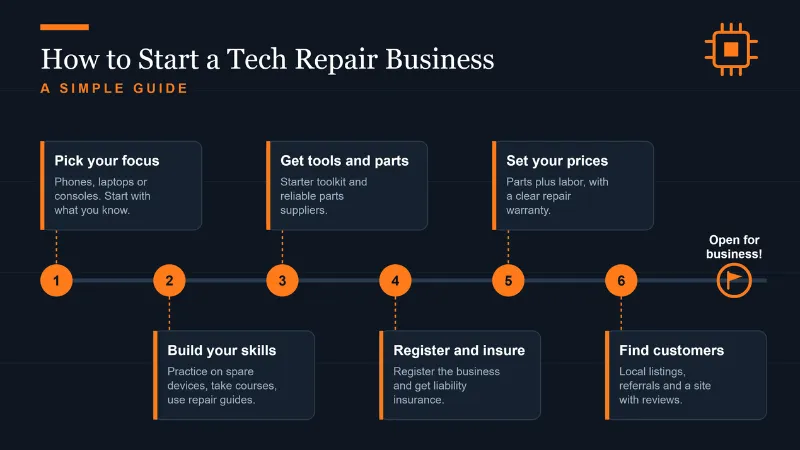
How to Start a Tech Repair Business: A Simple Guide

Leading Asian Healthtech startups in 2026