

How Do Productivity and Infrastructure Support Economic Growth?
Jun 1, 2026 | By Yan li

 Follow us
 Follow us
Economic growth is an important sign of a country's progress and development. It occurs when a country produces more goods and services over time. As the economy grows, people often earn higher incomes, enjoy better living standards and have access to more opportunities.
Economic growth is supported by factors such as improved productivity, better infrastructure, advanced technology, skilled workers and efficient use of resources. When businesses and workers become more productive, they can create more output, generate jobs and contribute to long-term economic success.
Strategies for Improving Economic Growth Productivity
Economic productivity can be improved by helping businesses and workers produce more goods and services using the same amount of time, money and resources. This often involves better training, new technology, and improved infrastructure that support long-term growth.
- Invest in education and technology: Spending on education, skills training, modern technology, and infrastructure can help workers become more productive and businesses operate more efficiently.
- Reduce inefficiencies: Improving processes, government systems, and workplace operations can help organizations save time, reduce waste, and increase overall output.
- Improve energy efficiency: Using energy more efficiently and investing in clean energy solutions can lower costs, improve performance, and make the economy more sustainable in the long run.

How Does Productivity Drive Economic Growth?
Productivity measures how efficiently people, businesses, and economies use their resources to produce goods and services. It helps show how much output can be created from a certain amount of work, time, or resources.
There are several types of productivity:
- Workplace Productivity: This refers to the performance of everyone in a workplace, including employees, managers, executives, and other workers. It measures how effectively they contribute to the organization's output.
- Industry Productivity: Also known as sector productivity, this measures how efficiently companies within a specific industry produce goods and services.
- National or Economy-Wide Productivity: This looks at the productivity of all industries and sectors within a country and measures how efficiently the entire economy operates.
Physical productivity refers to the amount of output produced by a single unit of input over a certain period of time. For example a worker producing five tons of material per hour is a measure of physical productivity.
When productivity increases, workers can produce more in the same amount of time. This often leads to higher wages because their work becomes more valuable. That is why employers invest in education, skills development, and on-the-job training. Better knowledge, experience and skills help workers become more productive and increase their overall value to businesses.
How Can Infrastructure Spending Boost the Economy?
Infrastructure spending happens when local, state, or national governments spend money to build, improve, or repair important public facilities. These facilities include roads, bridges, ports, airports, and sewer systems that help people and businesses function efficiently.
Many economists believe that infrastructure spending can boost economic growth because good infrastructure improves productivity. For example when roads and bridges are well-maintained and there are enough transportation routes trucks can deliver goods faster and spend less time stuck in traffic. This helps businesses save time and money, making the economy more efficient overall.
Infrastructure spending also creates jobs because workers are needed to build and complete these projects. It can also encourage further economic growth. For example, when a new highway is built, businesses such as gas stations, restaurants, and retail stores may open nearby to serve travelers. This creates more jobs, attracts investment and supports local economic development.

Which Four Factors Contribute to Economic Growth?
Economic growth happens when a country produces more goods and services over time. Four main factors help an economy grow:
1. Human Resources (Labor)
- Refers to the workers in an economy.
- A larger and more skilled workforce can produce more goods and services.
- Education, training, and good health help workers become more productive.
2. Physical Capital
- Includes tools, machinery, equipment, factories, and buildings used for production.
- Better technology and modern equipment help businesses work more efficiently.
- Investment in capital allows companies to increase output.
3. Natural Resources
- These are resources provided by nature, such as land, water, minerals, forests, oil, and natural gas.
- Countries with abundant natural resources often have more opportunities for economic growth.
- Proper management of these resources is important for long-term development.
4. Technology and Innovation
- Technology helps businesses produce goods and services faster and at lower costs.
- Innovation leads to new products, improved processes, and greater efficiency.
- Advances in technology often drive long-term economic growth.
Benefits of Economic Growth
Economic growth means that a country is producing more goods and services than before. When the economy grows, businesses expand, more jobs are created, and people generally have better opportunities to improve their quality of life. It can also increase government revenue, allowing more investment in public services and infrastructure.
Key Benefits of Economic Growth
- More Jobs: Businesses hire more workers as they expand.
- Higher Incomes: Workers often earn better wages and salaries.
- Improved Living Standards: People can afford better housing, healthcare and education.
- Business Growth: Companies can invest expand and create new products.
- Increased Government Revenue: Higher tax collections help fund public services.
- Better Infrastructure: Governments can invest in roads, transportation, and utilities.
- Reduced Poverty: Economic opportunities can help lift people out of poverty.
- Greater Innovation: Growing economies often encourage new technologies and ideas.

RECOMMENDED FOR YOU



How Does Economic Growth Help Businesses?
Economic growth creates a stronger business environment by increasing consumer spending, investment, and demand for goods and services. As people earn more income they tend to buy more products, which helps businesses increase sales and profits. Growing economies also encourage companies to expand hire more employees and invest in new technologies.
Key Ways Economic Growth Helps Businesses
- Higher Sales: Consumers have more money to spend on products and services.
- Business Expansion: Companies can open new locations and enter new markets.
- More Investment: Businesses find it easier to attract investors and secure funding.
- Increased Profits: Higher demand often leads to greater revenue and profitability.
- Job Creation: Growing businesses hire more workers to meet demand.
- Innovation Opportunities: Companies can invest in new technologies and product development.
- Better Market Confidence: Businesses are more willing to take risks and grow during strong economic periods.
- Improved Access to Credit: Banks and lenders are often more willing to provide financing in a growing economy.
The Bottom Line
Economic growth is important because it helps improve people's lives and strengthens the economy. It is supported by factors such as higher productivity, better infrastructure, skilled workers, investment, natural resources, and new technology. When businesses and workers become more productive, they can produce more goods and services while using resources more efficiently. Economic growth also creates jobs, increases incomes, encourages business expansion and improves living standards. By investing in productivity and long-term development, countries can build a stronger economy and create more opportunities for future generations.
FAQs
Why is economic growth important in everyday life?
How does productivity affect economic growth?
How does infrastructure help the economy grow?
Does economic growth always lead to higher incomes?
What is the biggest challenge to maintaining economic growth?
How does education contribute to economic growth?
Can infrastructure projects create jobs?
Recommended Stories for You

Yan lii Oct 22, 2026

Yan li Jun 24, 2025

Team SR Dec 27, 2025

Yan li May 6, 2025

Yan li Jan 2, 2026

Carmela Catilo Jul 27, 2026
Trending Stories

Top 10 Strongest Currency in Asia 2025

What is a vision statement of a Company

Best Startup Industries In 2026

China lifts ban on Boeing deliveries after Trump’s tariff deal
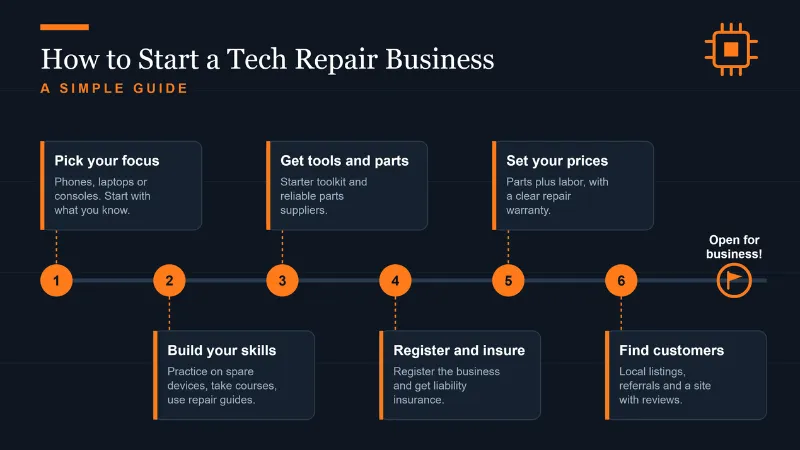
How to Start a Tech Repair Business: A Simple Guide
Ather Energy Shares Surge 2% on Strong Market Debut in India

Hua Hong and SMIC Shares Drop Sharply Amid Rising U.S.-China Tensions

Leading Asian Healthtech startups in 2026