

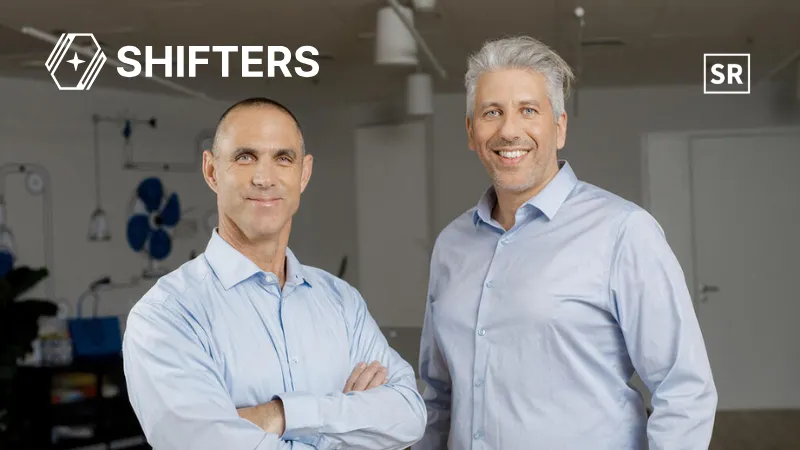
Shifters, a company that builds AI-powered robotic teams that can work on their own, has raised US$10.2 million in seed funding. The funding round was led by Ace Capital Partners, along with participation from Aurelius Capital Management, Corner Ventures, Arkin Capital, and Fresh Fund.
 Follow us
 Follow us
With this latest investment, the company’s total funding has reached $15 million since it was founded. This money will help Shifters develop its technology and grow its business further.
“There has been significant technological progress in the field of drones, but in unstable or hostile environments, we still send a person forward. We are building systems with very high throughput that can reach anywhere,” said Ballin.
Ballin clarified that the company’s vision is to preserve human life. “Robots can do whatever is needed. We have developed a system that is not intended to replace human judgment, but rather to be operated by humans who remain responsible. In the first stage, we can perform scanning operations of an area, making it safer for forces to enter.”
RECOMMENDED FOR YOU
UAE-based Valeo Health Secures $12 Million in Series B Round Funding
Startuprise
Mar 27, 2025


The company is currently transitioning from development to commercial deployment. “The product is still under development and will soon reach operational maturity,” said Chaprak. “We already have commercial contracts in defense and national security, and we work regularly with the Ministry of Defense, the Israel Defense Forces, and foreign entities. A significant portion of our activity is focused on development and field trials. The robot is remotely controlled, and we are adding advanced autonomous capabilities. Ultimately, the goal is full autonomous operation, so the systems can navigate obstacles independently and reach their intended destinations.”
Founded in 2023 by Ofer Ballin and Assaf Chaprak, it develops low-cost self-driving ground vehicles that can move through difficult and rough terrain. These machines are designed to work in challenging environments where normal vehicles cannot easily go.
The system uses a Modular Open Systems Approach (MOSA), which means it can be easily changed or upgraded with different tools. It can carry equipment like cameras and scanners, and in the future, it may also support other advanced uses.
Recommended Stories for You
Yan li Jun 18, 2025


Startuprise Feb 14, 2024

Blue Owl Capital Partners with Lunate to Invest in Private Market Investment Managers
Nguyen Minh Feb 8, 2024

Team SR Oct 10, 2024

Trending Stories
Amber International Raises $25.5M in Private Placement to Boost Institutional Crypto Growth

KuCoin Partners With FinChain to Add FUSD as Collateral for Institutional Trading

[FUNDING-NEWS] Singapore-Based Ai Palette secures $500K in Series A1 Extension Round Funding

Quadria Capital Raises $1 Billion Fund III to Boost Healthcare in Asia

[FUNDING NEWS] Singapore-Based Osome Secures $17 million in its Series B Extension Round
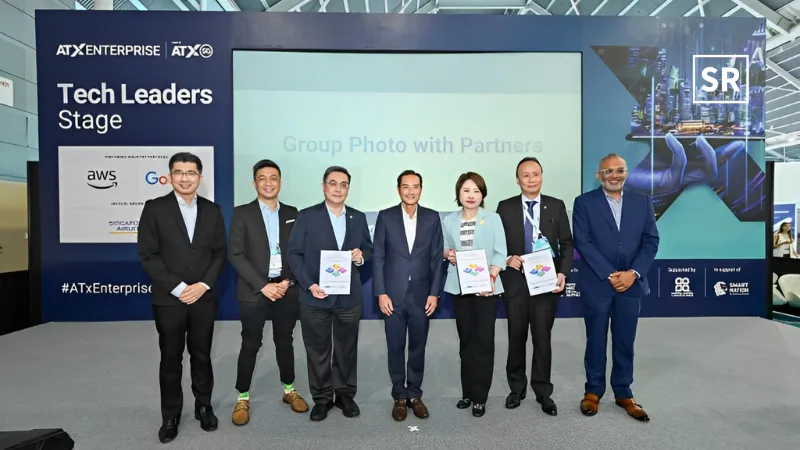
Alibaba Cloud and IMDA Team Up to Boost AI and Cloud Use for 3,000 Singapore SMEs and Digital Providers
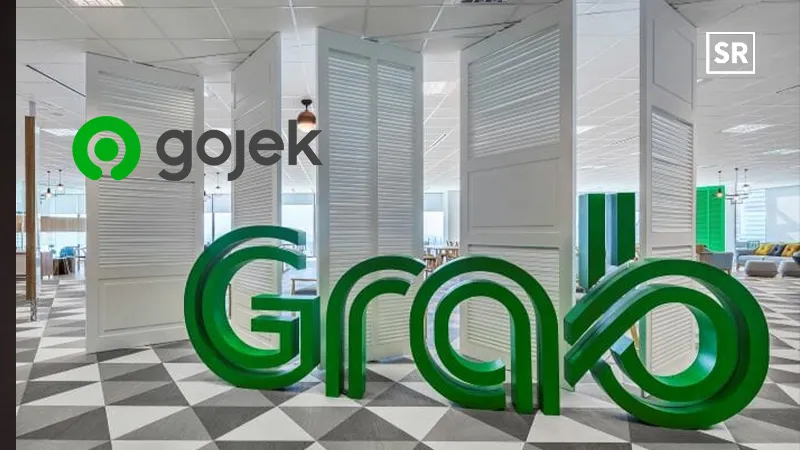
Maybank: Grab-Gojek Merger Faces Regulatory Hurdles in Singapore

Bolttech and Bold Penguin Unite to Automate Global Commercial & Personal Insurance Workflows