

 Follow us
 Follow us
The Philippines is becoming a growing market for financial technology in Southeast Asia. Fintech companies are making it easier for people to send money, pay bills, get loans, manage businesses and invest online. The growing use of smartphones, digital wallets and online shopping is helping more people access financial services.
The country has fintech companies working in different areas, including digital payments, online lending, digital banking, cryptocurrency and business finance. Some companies serve everyday consumers, while others help small businesses manage payments, sales and financial records.
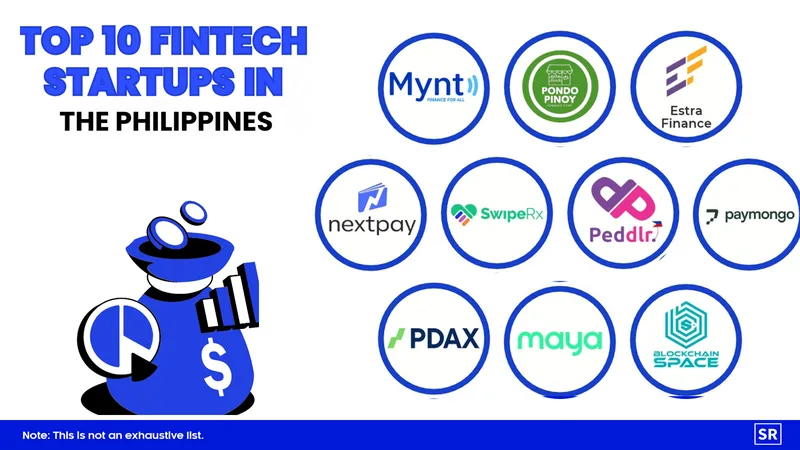
In this article, we look at 10 fintech startups and technology companies in the Philippines to watch in 2026. The list is based on the companies shown in the infographic and is not arranged by company size or market share.
Top 10 Fintech Startups in the Philippines
| No. | Company | Main Business |
| 1 | Mynt | Digital payments and financial services |
| 2 | Pondo Pinoy | Small business loans |
| 3 | Estra Finance | Financial advice and loan services |
| 4 | NextPay | Business payments and transfers |
| 5 | SwipeRx | Digital tools for pharmacies |
| 6 | Peddlr | Sales and inventory management |
| 7 | PayMongo | Online payment processing |
| 8 | PDAX | Cryptocurrency and digital assets |
| 9 | Maya | Digital banking and payments |
| 10 | BlockchainSpace | Blockchain and Web3 technology |
1. Mynt
Mynt is the fintech company behind GCash, one of the most popular digital finance platforms in the Philippines. Through GCash, users can send money, pay bills, shop online and access different financial services.
The platform also offers access to products such as savings, loans, insurance and investments. This allows users to handle many everyday financial tasks through a mobile phone.
Mynt aims to make financial services easier to access, especially for people who may not have easy access to traditional banks. Its range of services has made it an important part of the Philippines' digital finance market.
Website: GCash
2. Pondo Pinoy
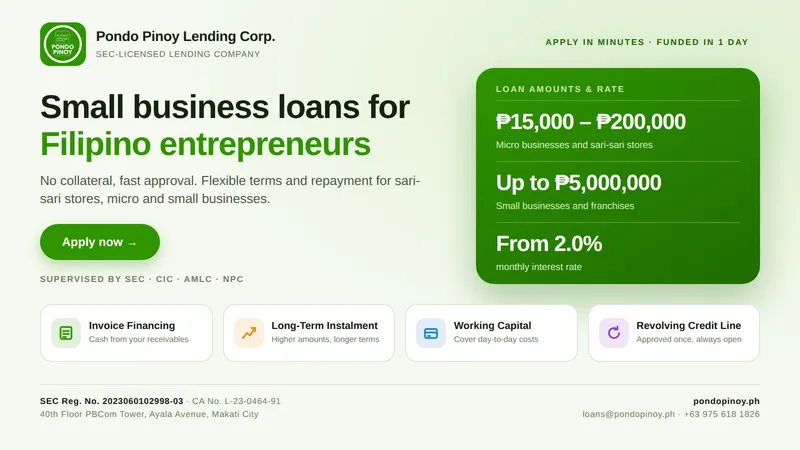
Pondo Pinoy focuses on helping small businesses access funding. Many small companies need money to buy stock, pay suppliers, cover daily expenses or grow their operations.
Business owners can explore financing options to meet these needs. Access to funding can be especially important for small businesses that may find it difficult to get loans from traditional banks.
By focusing on business financing, Pondo Pinoy serves entrepreneurs looking for ways to manage cash flow and support business growth.
Website: Pondo Pinoy
3. Estra Finance

RECOMMENDED FOR YOU



Estra Finance helps people explore financial services and loan options. Its services aim to connect borrowers with potential lenders and make it easier to understand the financing choices available to them.
Finding the right loan can be difficult when people have to compare different providers, interest rates and repayment conditions. Financial guidance can help borrowers understand their options before making a decision.
Anyone considering a loan should check the lender's credentials, interest rates, fees and repayment terms carefully.
4. NextPay
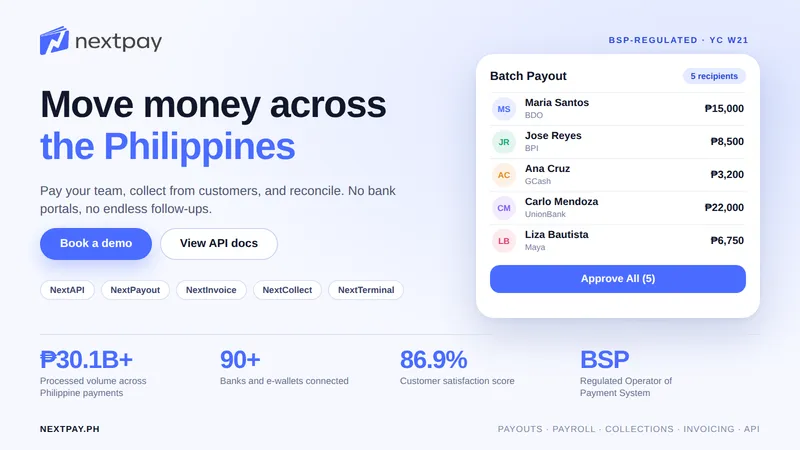
NextPay helps businesses manage payments and money transfers. Companies can use its platform to pay employees, send money to suppliers and manage other business transactions.
Handling these payments manually can take time, especially for businesses that make many transfers every month. NextPay brings several payment tasks together and helps companies keep track of their transactions.
Its services can be useful for small and growing businesses that want to reduce paperwork and manage payments more easily.
5. SwipeRx

SwipeRx is a digital platform designed for pharmacy professionals in Southeast Asia. It helps pharmacy teams connect with one another, access useful information and improve their daily business operations.
Independent pharmacies often need support with purchasing products, managing their businesses and staying informed about the healthcare industry. Digital platforms can help make these tasks easier.
SwipeRx is different from traditional fintech companies because it focuses on the pharmacy sector. However, its use of digital tools to support business operations makes it relevant to the wider technology ecosystem.
Read Also- Top 10 Artificial Intelligence Startups in Singapore to Watch in 2026
6. Peddlr
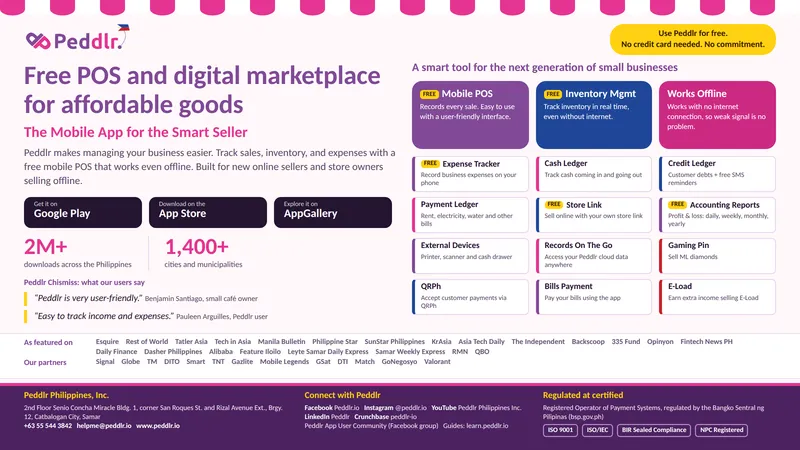
Peddlr provides a mobile app that helps small shops and retailers manage their daily business activities. Users can record sales, track stock, monitor expenses and review basic business reports.
The app also includes tools for managing customer credit and supplier payments. Its offline features can be useful for business owners who operate in places with unreliable internet access.
Small businesses do not always have the budget for expensive business software. Peddlr offers a mobile-based option that helps shop owners keep better records and understand how their businesses are performing.
7. PayMongo
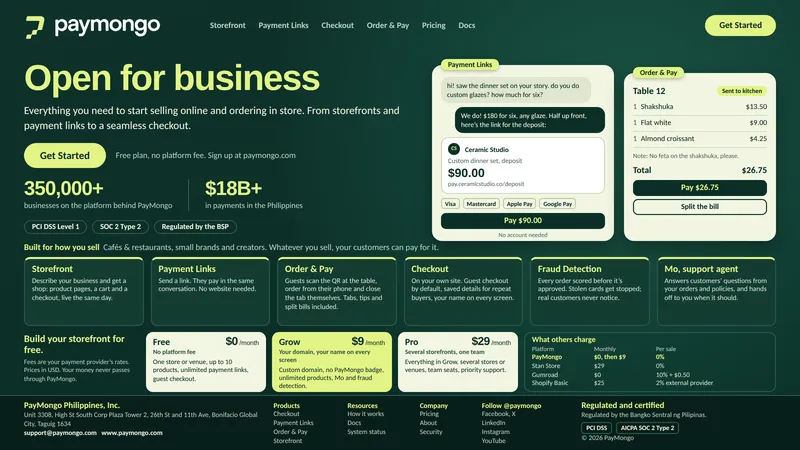
PayMongo helps businesses accept online and digital payments in the Philippines. Its platform supports payment methods such as bank cards, digital wallets, online banking and QR payments.
For businesses selling products or services online, offering different payment options can make it easier for customers to complete purchases. PayMongo helps companies manage these transactions through its payment technology.
The company also offers tools for handling payment links and other financial operations. Its services support online sellers and businesses that want to make collecting payments simpler.
8. PDAX
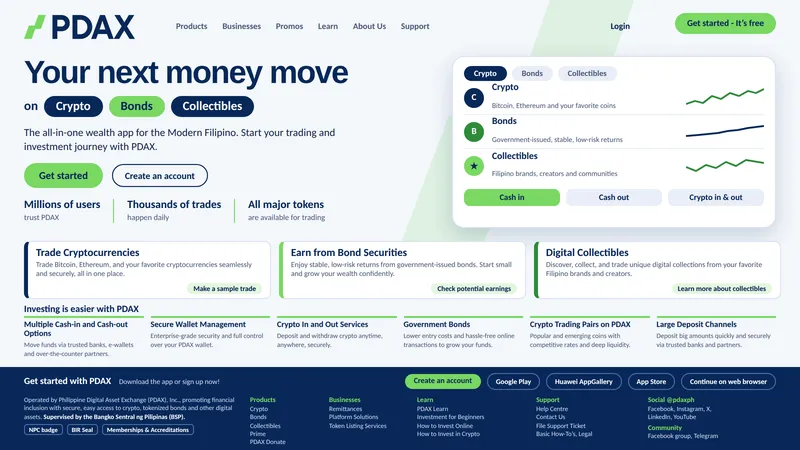
PDAX stands for Philippine Digital Asset Exchange. It is a platform that allows users to buy, sell and trade digital assets, including cryptocurrencies such as Bitcoin and Ethereum.
The platform gives users access to digital asset services using Philippine pesos. It also offers other digital financial products, including access to government bonds.
Cryptocurrency can be risky because prices may rise or fall quickly. Users should understand these risks and check the rules that apply to digital asset services before investing.
PDAX is part of the growing digital asset market in the Philippines.
9. Maya
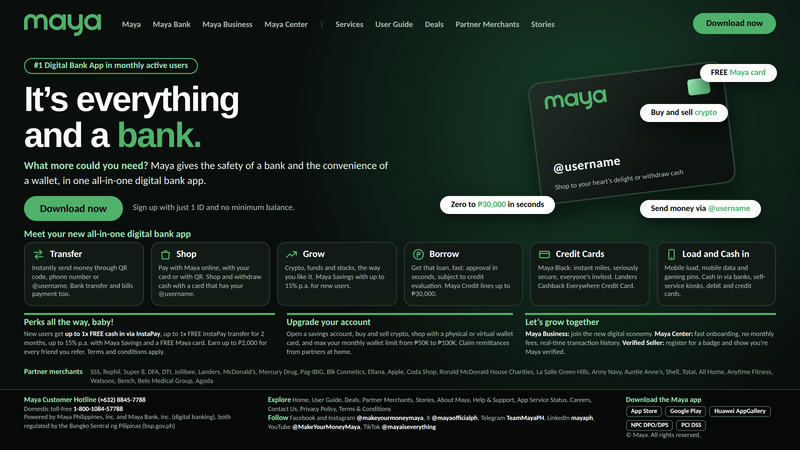
Maya offers digital payments, a mobile wallet and digital banking services. Users can send money, pay bills, make purchases and access eligible savings, credit and investment products through its platform.
Maya also provides payment solutions for businesses. These services help merchants accept digital payments and manage transactions from customers.
By bringing several financial services into one platform, Maya gives consumers and businesses a convenient way to manage different money-related tasks. Its services reflect the growing demand for mobile banking and cashless payments in the Philippines.
Website: Maya
10. BlockchainSpace
BlockchainSpace operates in the blockchain and Web3 industry. The company has worked on technology and services for blockchain gaming communities and businesses involved in digital economies.
Web3 companies often need tools to manage their communities, partnerships and online activities. BlockchainSpace has focused on supporting this part of the technology market.
Its work differs from that of digital wallets and payment platforms. However, blockchain technology is connected to the wider fintech industry because it can support new ways of handling digital assets and online transactions.
Key Fintech Trends in the Philippines
The fintech industry in the Philippines is growing across several areas. Some of the main trends include:
- Digital payments: More consumers and businesses are using mobile wallets, QR payments and online payment services.
- Small business loans: Digital finance companies are helping entrepreneurs explore funding for stock, expenses and expansion.
- Business payment tools: Platforms are making it easier for companies to pay employees, suppliers and service providers.
- Digital banking: Mobile apps are bringing payments, savings and other financial services together.
- Cryptocurrency and blockchain: Companies are building services for digital assets and blockchain-based businesses.
- Business management apps: Technology is helping small retailers and specialised businesses manage sales, stock and financial records.
These trends show that fintech is about more than mobile banking. It also includes tools that help businesses work more efficiently and give customers easier access to financial services.
Conclusion
The Philippines has a diverse fintech ecosystem, with companies serving consumers, retailers, small businesses and digital asset users. Mynt and Maya focus on digital financial services, while PayMongo and NextPay help businesses manage payments. Pondo Pinoy focuses on business financing, and companies such as PDAX and BlockchainSpace operate in digital assets and blockchain technology.
These 10 companies show how technology is changing the way people and businesses manage money in the Philippines. As digital services become more widely used, fintech companies will have opportunities to make financial services more convenient and accessible.
FAQs
What are the top fintech startups in the Philippines in 2026?
The infographic features Mynt, Pondo Pinoy, Estra Finance, NextPay, SwipeRx, Peddlr, PayMongo, PDAX, Maya and BlockchainSpace. These companies work across digital payments, lending, business management, digital assets and other technology services.
Which fintech companies in the Philippines offer digital payments?
Mynt, through GCash, Maya, PayMongo and NextPay are examples of companies offering digital payment or money transfer services. Their platforms serve different needs, from personal transactions to business payments.
How do fintech startups help small businesses?
Fintech companies help small businesses accept digital payments, explore loan options, pay employees, transfer money to suppliers and manage sales. These services can reduce paperwork and make daily business operations easier.
What is the future of fintech in the Philippines?
Fintech is expected to keep changing as more people use digital wallets, mobile banking and online payment services. Businesses are also looking for better ways to manage payments and financial records. Strong security, customer trust and compliance with financial regulations will remain important for the industry's growth.
Recommended Stories for You

Yan li May 12, 2025

Yan li May 9, 2025

Yan li Dec 10, 2024

Nguyen Minh Sep 14, 2026

Yan li Jan 2, 2026
Trending Stories

What is a vision statement of a Company

Top 10 Strongest Currency in Asia 2025
Best Startup Industries In 2026
China lifts ban on Boeing deliveries after Trump’s tariff deal

Ather Energy Shares Surge 2% on Strong Market Debut in India

Leading Asian Healthtech startups in 2026

Hua Hong and SMIC Shares Drop Sharply Amid Rising U.S.-China Tensions

Potato Corner Franchise in 2025 – Cost, Profit, Requirements, Review