

Early-Stage HealthTech Startups in South Korea to Watch in 2026
Nov 2, 2026 | By Yan li
 Follow us
 Follow us
South Korea’s HealthTech sector is growing thanks to advances in artificial intelligence, biotechnology, digital health and advanced medical technology. Startups and health companies are building tools to help doctors diagnose better treat illnesses find new medicines and care for patients.
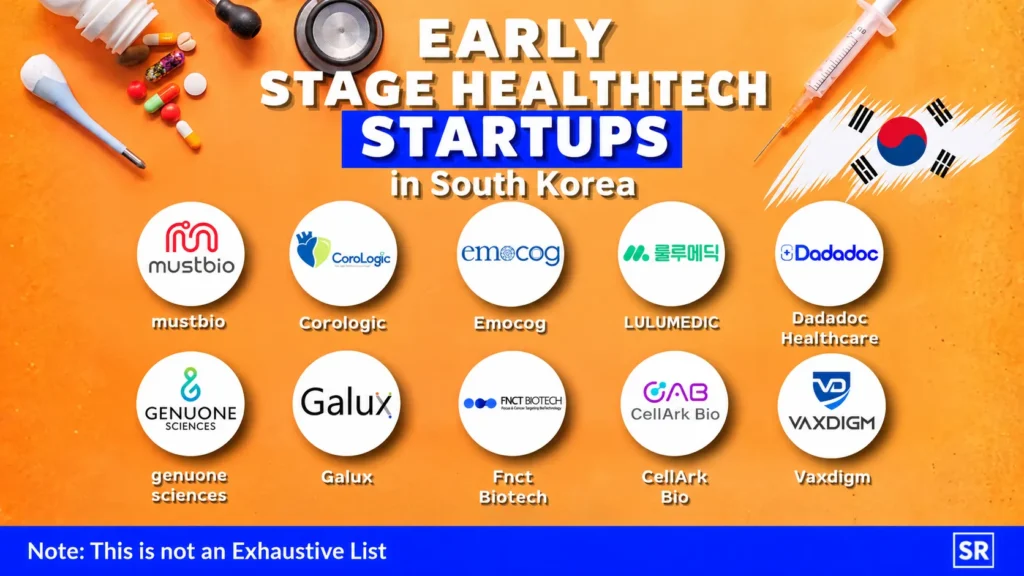
These tools range from AI imaging and digital therapies to far‑away patient monitoring and vaccine studies. These teams are exploring ideas to solve health problems. I find this progress exciting. Here are ten South Korean HealthTech firms you should keep an eye on for their work, in health innovation and medical technology.
Top 10 HealthTech Startups in South Korea
| No. | Company | Main Business |
|---|---|---|
| 1 | MustBio | Biotechnology and healthcare research |
| 2 | CoroLogic | AI-powered medical imaging |
| 3 | Emocog | Digital therapeutics and cognitive healthcare |
| 4 | Lulumedic | Digital health management and medical data services |
| 5 | Dadadoc Healthcare | Pediatric telemedicine and remote patient monitoring |
| 6 | Genuone Sciences | Pharmaceutical research and medicine development |
| 7 | Galux | AI-powered protein design and drug discovery |
| 8 | FNCT Biotech | Antibody-based treatments and biotechnology |
| 9 | Cellark Bio | Tissue regeneration and aesthetic biotechnology |
| 10 | Vaxdigm | Vaccine technology and protein production |
1. MustBio
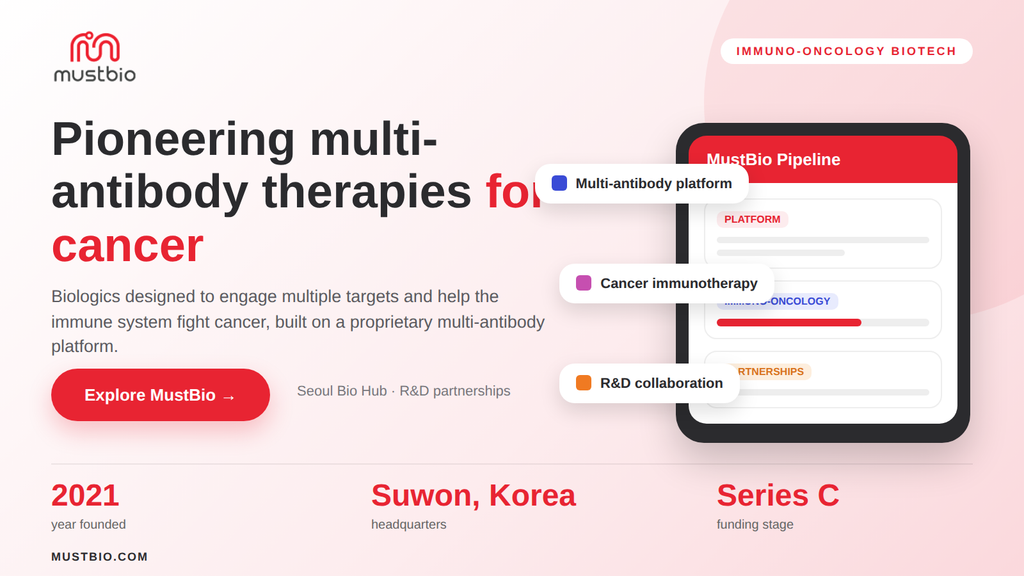
MustBio is a biotechnology company from South Korea that works in the healthcare and life sciences industry. The company is one of the businesses that are looking into ways to use biotechnology for medical progress.
As companies that focus on research keep being important in South Koreas healthcare system MustBio is something that people who are watching what happens in research and new treatments might want to know about. More information, about the technology that MustBio uses and the projects it is working on has to come from the company itself.
2. CoroLogic
RECOMMENDED FOR YOU


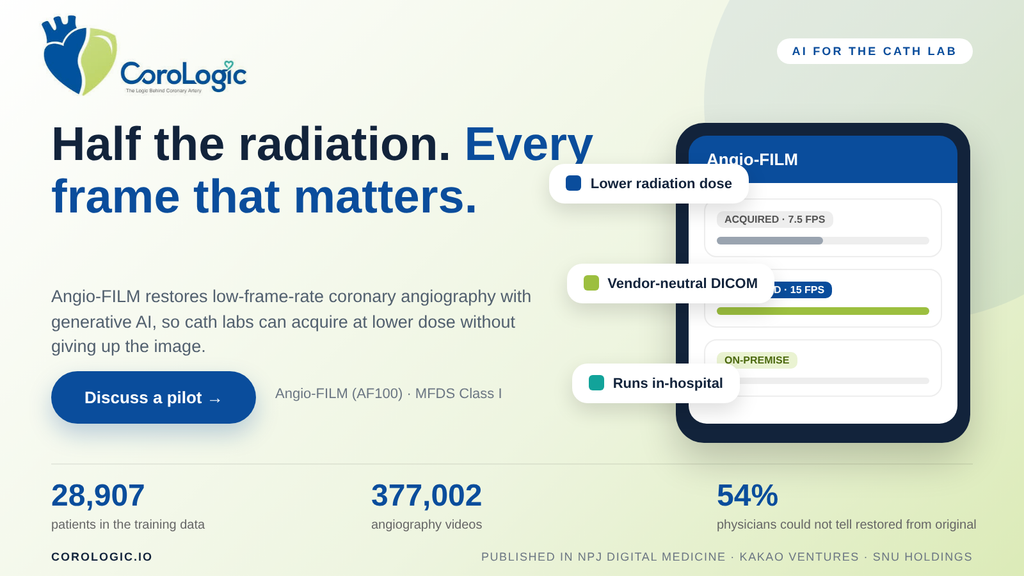
CoroLogic is a Korean medical AI startup. The startup was founded in May 2026. It was a spin-off from the cardiology division of Seoul National University Bundang Hospital. The company is working on Angio-FILM. Angio-FILM is an AI- technology. The technology is meant to improve the image quality of angiography. The images are taken at radiation doses. The approach of CoroLogic is to help hospitals.
The hospitals can reduce radiation exposure during procedures. No new imaging hardware is needed. CoroLogic has gotten seed investment. The investment is from Kakao Ventures. The investment is also from SNU Holdings. The company was chosen for South Koreas TIPS startup support program. The selection happened in September 2026. CoroLogic is moving forward with validation. The company is also working on approvals. There is also potential, for hospital adoption.
3. Emocog
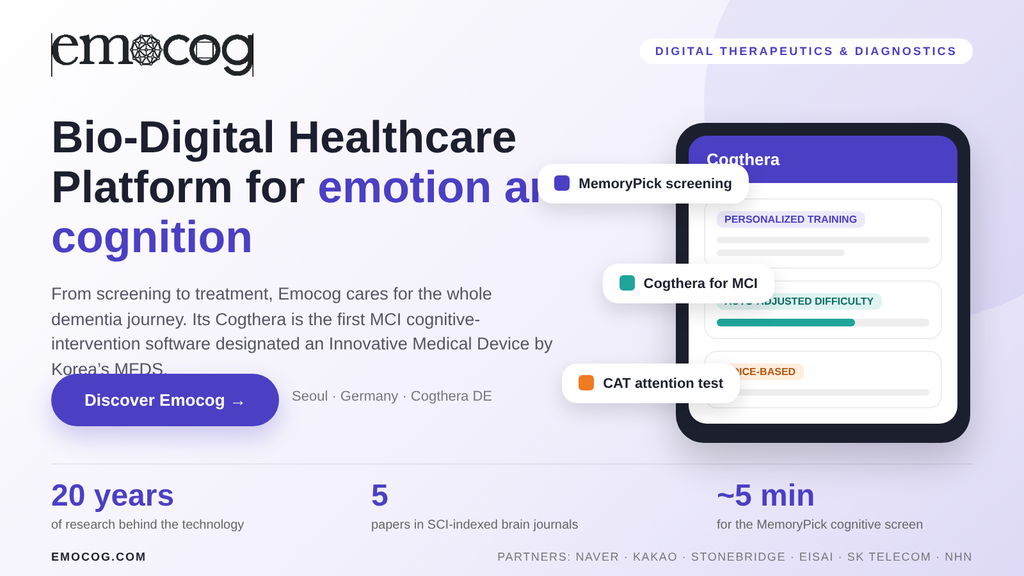
Emocog is a Korean digital healthcare company that started in 2021. It builds technology to help with assessment, dementia management and digital therapeutics. The company’s main product is called Cogthera. Cogthera is a software-based therapy made for people with cognitive impairment. It gives cognitive training and ongoing monitoring.
Emocog also makes MemoryPick, a service for cognitive assessment. It offers solutions too like tools for cognitive health and learning disorders. In 2025 Emocog got approval in South Korea for Cogthera. The company has drawn investment from venture capital firms. Its focus is, on making cognitive healthcare easier to access using tools.
4. Lulumedic
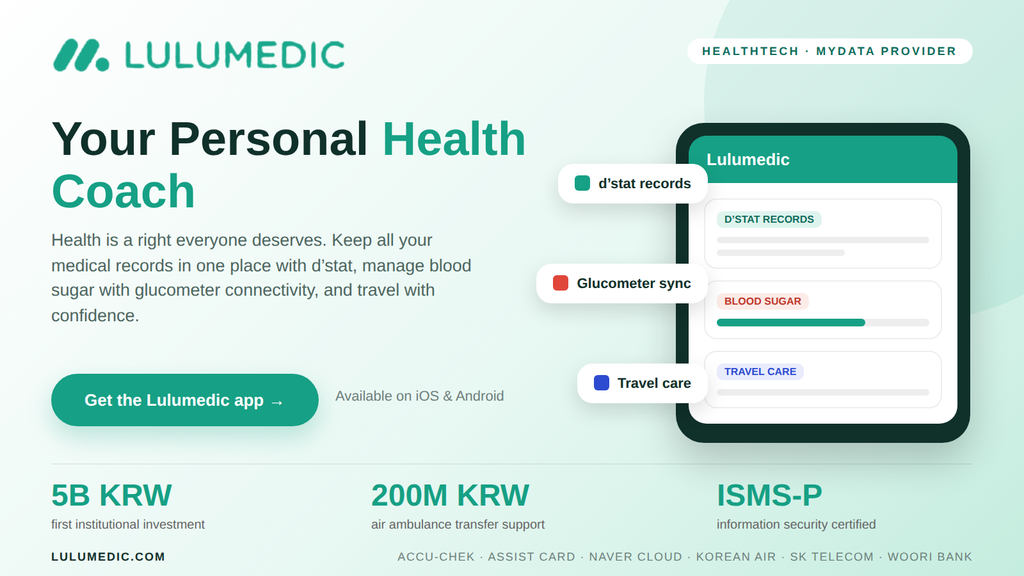
Lulumedic is a Korean digital healthcare company that offers personalized health management, medical data services and international healthcare assistance.
Lulumedic’s platform helps people monitor their health using medical devices, such as blood glucose meters. This lets users keep track of health information in a convenient way.
I find that Lulumedic also offers travel‑related help through Assist Card. This card helps international travelers get care when they need it. Lulumedic partners, with hospitals and technology companies to build medical data solutions and grow digital health services. Lulumedic’s work blends care, health data handling and medical help that crosses borders.
5. Dadadoc Healthcare
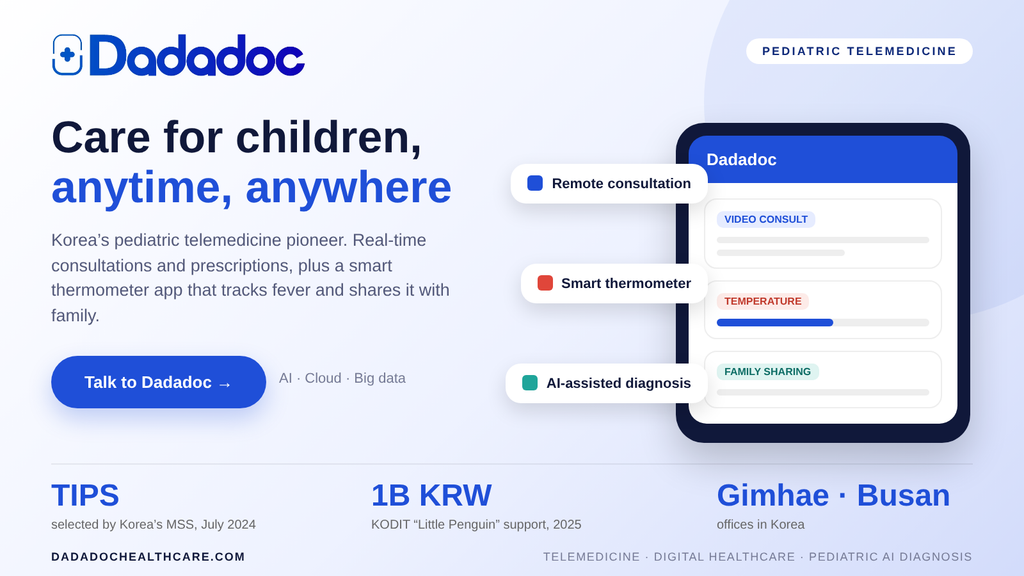
Dadadoc Healthcare is a Korean digital health startup that focuses on pediatric telemedicine and remote patient monitoring. I see that Dadadoc Healthcare uses intelligence, cloud computing and data analytics to help children and families get better access to medical services.
Dadadoc Healthcares platform lets parents have consultations, with doctors and supports follow‑up care without needing to go to the hospital every time. Dadadoc Healthcare also sells connected thermometers that automatically record temperatures through a mobile application so parents can watch and share health data.
company was selected for South Korea's TIPS program in 2024 to support AI-assisted pediatric diagnosis development.
Read Also - DCS DeCard Becomes a Mastercard Issuer in Hong Kong, Launches Corporate Cards for Businesses
6. Genuone Sciences
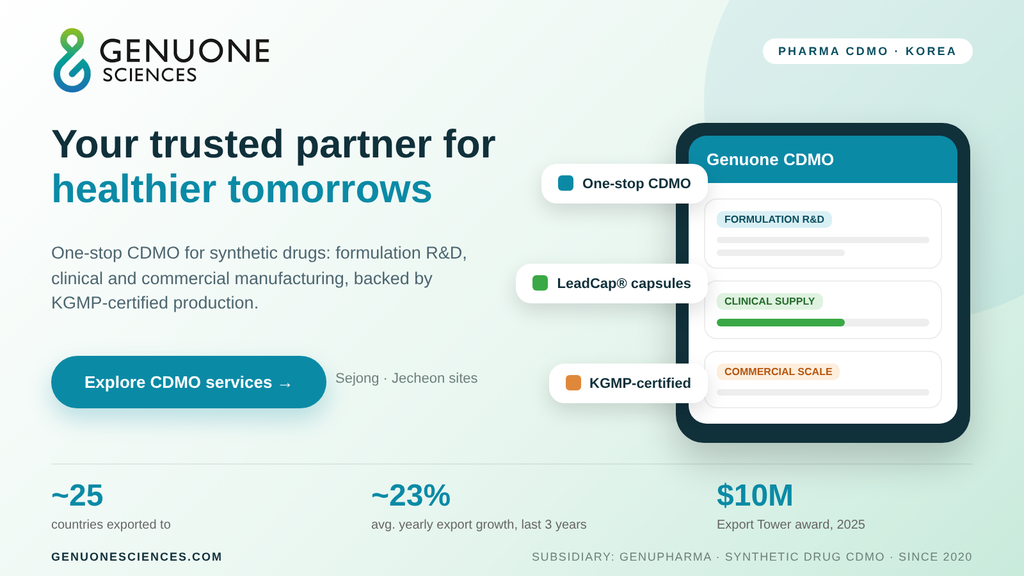
Genuone Sciences is a Korean pharmaceutical company that works in the broad health care and life science area. Its work involves making and developing medicines, which's an important part of the countrys health care supply chain. Companies in this area help. Provide medicines and also help the pharmaceutical industry grow. Genuone Sciences is part of South Koreas system. However before publishing details you should double check Genuone Sciences current operations, product list and what stage of development it is, in because the official website could not be reached during this review.
7. Galux
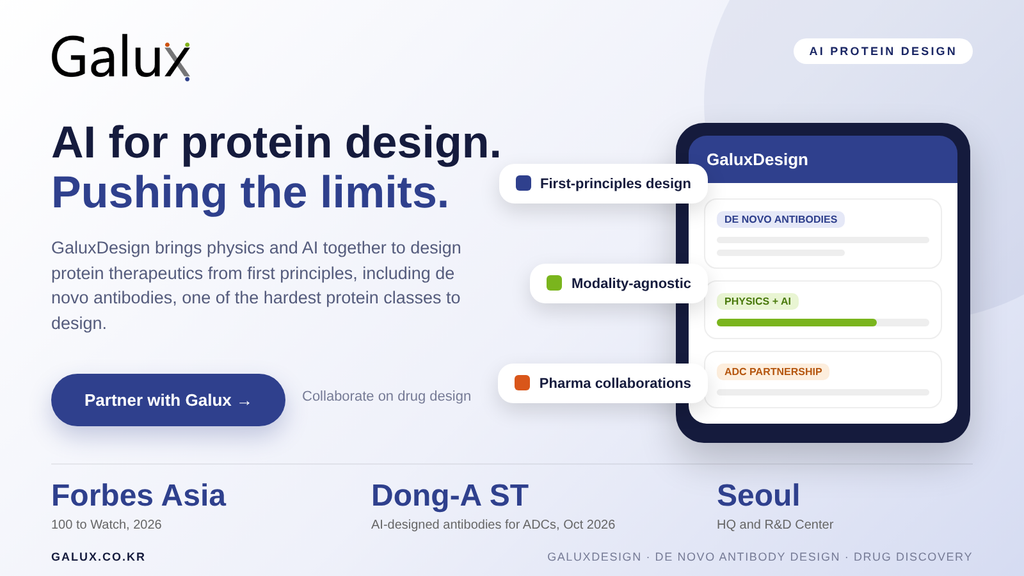
I see that Galux is a Korean company that uses AI to drive biotechnology and it is working on computer technology for designing proteins and discovering drugs. Galux has a platform called GaluxDesign that blends artificial intelligence with physics-based ideas to create proteins, such as therapeutic antibodies from scratch.
This technology wants to make protein engineering more accurate and faster and to help build biological medicines. Galux is also growing its research partnerships with drug makers, such as a deal signed in October 2026 with Dong‑A ST to look at AI-designed antibodies, for antibody‑drug therapies. Galux shows how AI is becoming more common in South Korea’s biopharmaceutical research field.
8. FNCT Biotech
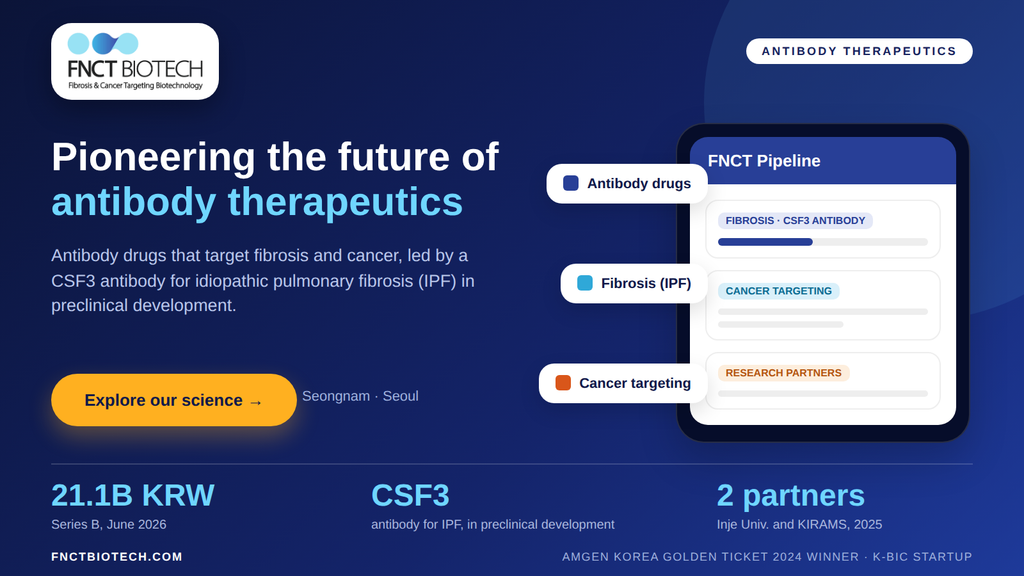
FNCT Biotech is a Korean biotechnology company that works on new antibody medicines for diseases that need better treatments. FNCT Biotech studies ways to treat pulmonary fibrosis (IPF). IPF is a lung disease that keeps tissue growing in the lungs and makes breathing hard.
FNCT Biotech is looking at antibody methods that target CSF3 for its drug plans. FNCT Biotech has also studied cancer biology and fibrosis. In June 2026 FNCT Biotech announced a KRW 21.1 billion Series B money round that will push the work of its IPF antibody program forward. This money helps FNCT Biotech create options, for hard‑to‑treat illnesses.
9. Cellark Bio
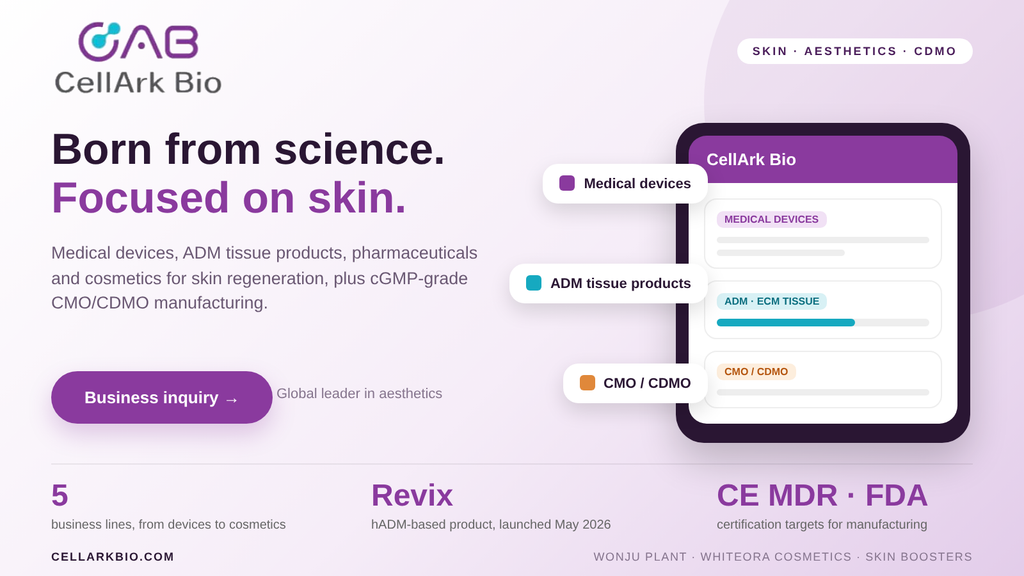
Cellark Bio is a Korean bio tech and beauty medicine company that develops products that keep skin healthy repair tissue and provide aesthetic medicine. Cellark Bio business includes devices, drug research, cosmetics and products made from human tissue. Cellark Bio focuses on technologies that help skin repair and tissue regeneration including products that use cell matrix parts. Cellark Bio also offers contract manufacturing and product development services through its CMO/CDMO operations.
In May 2026 Cellark Bio announced the launch of Revix, a product that uses human skin matrix technology with Puzzle B. Cellark Bio activities show the growing mix of bio tech, tissue repair and beauty medicine, in South Korea.
10. Vaxdigm
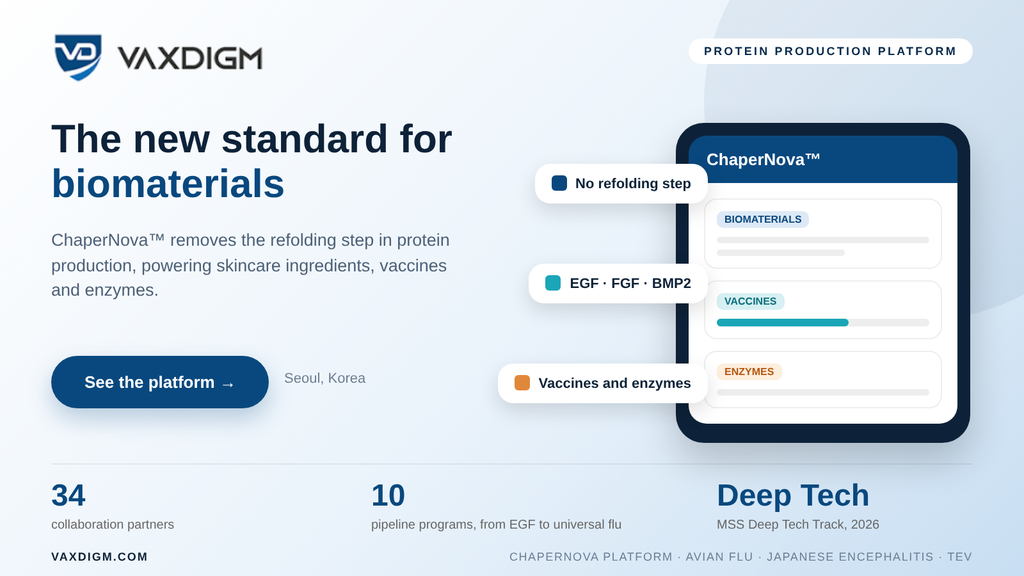
Vaxdigm is a Korean biotechnology company focused on creating new vaccine technologies, protein production platforms and bioengineering solutions. The company’s research centers on vaccines, for diseases especially those caused by new and mutating viruses. It also works on technologies that make protein manufacturing faster and more efficient.
One of its projects is ChaperNova, a protein production platform built to boost yields and lower the costs of production. Vaxdigm is also working on research programs that help prepare for pandemics and develop treatments that fight viruses.
In 2026, the company was selected for South Korea's Deep Tech TIPS program to advance its protein production technology, demonstrating its focus on biotechnology innovation and scalable biopharmaceutical manufacturing.
Conclusion
South Korea’s HealthTech ecosystem is full of companies that create tools in AI, digital healing apps, far‑away health care, bio‑tech and drug research. Firms like CoroLogic, Emocog, Galux and Vaxdigm show how new ideas are used to solve health problems. Other firms such, as Dadadoc Healthcare and Lulumedic work to make medical help easier to reach and to help people keep track of their health. Together these firms show how varied South Korea’s health innovation scene is and how it can help make technology around the world better.
FAQs
What are the top HealthTech startups in South Korea?
Some notable HealthTech companies in South Korea include MustBio, CoroLogic, Emocog, Lulumedic, Dadadoc Healthcare, Genuone Sciences, Galux, FNCT Biotech, Cellark Bio, and Vaxdigm. These companies operate across digital healthcare, biotechnology, AI-powered diagnostics, drug discovery, and medical technology.
Why is South Korea becoming a hub for HealthTech startups?
South Korea is becoming an important HealthTech innovation hub due to its advanced healthcare infrastructure, strong research institutions, government-backed startup programs, and growing investment in artificial intelligence and biotechnology. These factors support the development of innovative healthcare technologies.
How are South Korean HealthTech startups using artificial intelligence?
South Korean HealthTech startups use AI for medical imaging, disease detection, drug discovery, cognitive health assessment, and personalized healthcare. Companies such as CoroLogic and Galux are developing AI-powered solutions to improve medical imaging and accelerate biotechnology research.
What are the future opportunities for HealthTech startups in South Korea?
South Korean HealthTech startups have opportunities in AI-powered diagnostics, digital therapeutics, remote patient monitoring, precision medicine, and biotechnology. Increasing demand for personalized healthcare, an aging population, and advances in medical research could support further innovation and international expansion.
Recommended Stories for You

Startuprise Dec 26, 2025

Yan li Dec 23, 2025

Team SR Jan 6, 2026
Yan li Jan 2, 2026


Trending Stories

What is a vision statement of a Company

Top 10 Strongest Currency in Asia 2025

Best Startup Industries In 2026
China lifts ban on Boeing deliveries after Trump’s tariff deal

Ather Energy Shares Surge 2% on Strong Market Debut in India
Leading Asian Healthtech startups in 2026
World’s Largest Sovereign Wealth Funds in 2026
Emerging Sectors in the Digital Economy: Key Trends and Business Opportunities in 2026