
How to Start an Etsy Shop in 2026: A Simple Guide for Beginners
Oct 29, 2026 | By Yan lii
 Follow us
 Follow us
Starting an Etsy shop is a good way to turn your ideas and creative skills into an online business. You can sell handmade jewellery, personalised gifts, digital products, home decorations and many other creative items.
The best part is that you do not need a physical shop to get started. You can set up your store online, add your products and sell them to customers. However, getting sales takes time and effort. You need good products, clear photos, fair prices and a plan to attract buyers.
In this guide, you will learn how to start an Etsy shop step by step, how much it costs and how to get your first sales in 2026.
What Is Etsy?
Etsy is an online marketplace where people buy and sell creative products. It is popular for handmade items, personalised gifts, vintage products, craft supplies and original digital designs.
For example, you can sell handmade candles, wedding invitations, printable planners, custom T-shirts or personalised accessories.
Etsy helps you reach customers without building your own website. However, your products must follow Etsy's selling rules and policies.
How to Start an Etsy Shop in 7 Easy Steps
1. Choose What You Want to Sell
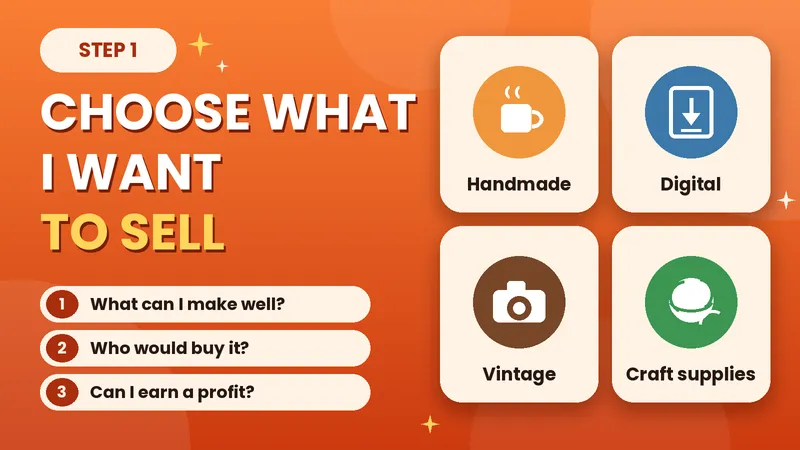
The first step is to decide what products you want to sell. Choose something you enjoy making or designing and that people may want to buy.
Here are some product ideas for beginners:
- Handmade jewellery and accessories
- Personalised gifts and home decorations
- Printable planners and digital artwork
- Wedding invitations and party supplies
- Vintage clothing and home items
- Craft materials and supplies
Before choosing a product, look at other Etsy shops selling similar items. Check their prices, customer reviews and product designs. This can help you understand what buyers like and where you can offer something different.
For example, instead of selling general planners, you could create budget planners for students or weekly planners for small business owners.
Tip: Start with one product category. It will help you understand your customers and build a clear brand.
2. Create an Etsy Account
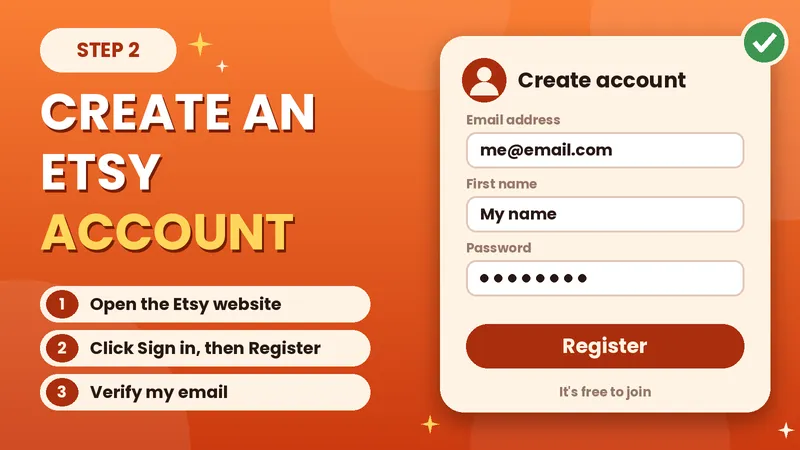
Once you know what you want to sell, create an Etsy account or sign in to your existing account.
Visit the official Etsy selling page and follow the instructions to open your shop.
During setup, Etsy will ask you to choose a few basic details.
- Shop language: Choose the main language you will use for your product listings.
- Shop country: Select the country where your business operates.
- Shop currency: Choose the currency you want to use for your prices.
Make sure these details are correct before continuing.
Etsy requires you to complete the initial shop setup using a desktop web browser. After opening your shop, you can manage many tasks through the Etsy Seller app.
3. Choose a Good Shop Name
RECOMMENDED FOR YOU



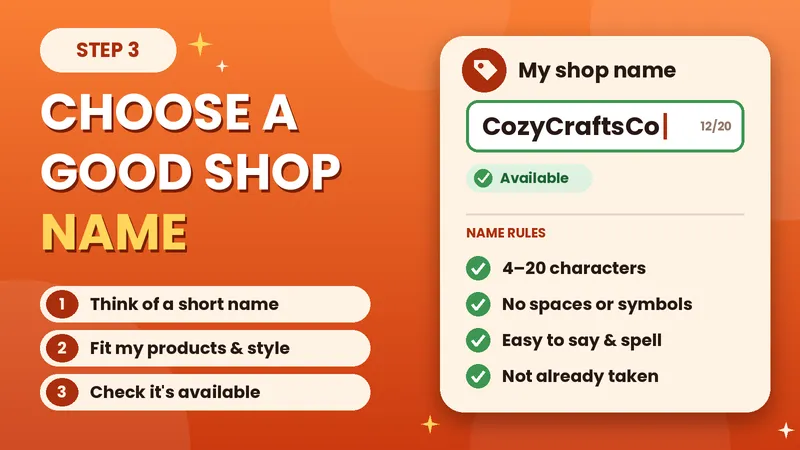
Your shop name is one of the first things customers notice. Choose a name that is easy to remember, spell and recognise.
For example, GlowNest Studio could suit a handmade candle business, while PaperBloom Designs could work for a shop selling digital planners. These are just examples, so check whether your preferred name is available.
Etsy shop names generally need to be between 4 and 20 characters long. They cannot contain spaces or special characters and must follow Etsy's naming rules.
Before finalising your name, check that another seller is not already using it. It is also helpful to see whether the same name is available on social media.
4. Make Your Shop Look Professional
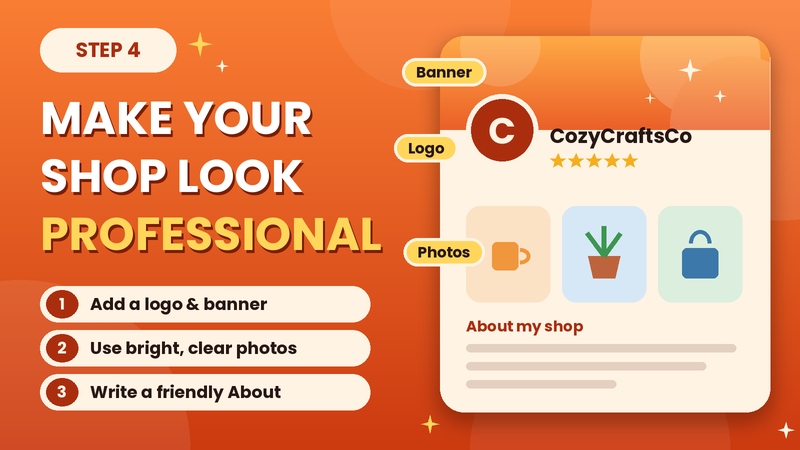
After choosing your shop name, add details that help customers understand your business.
Your shop should include:
- Logo: A simple design that represents your brand.
- Banner: An image that shows your products or style.
- About section: A short introduction explaining who you are and what you sell.
- Shop policies: Clear information about shipping, returns and other relevant rules.
- Contact details: Make it easy for customers to contact you through Etsy.
You do not need to spend a lot of money on branding. A simple logo, good product photos and an honest description can make your shop look professional.
Explain what makes your products special. If you make items by hand, share how you create them. If you sell digital products, explain what buyers will receive and how they can use the files.
5. Add Your First Products
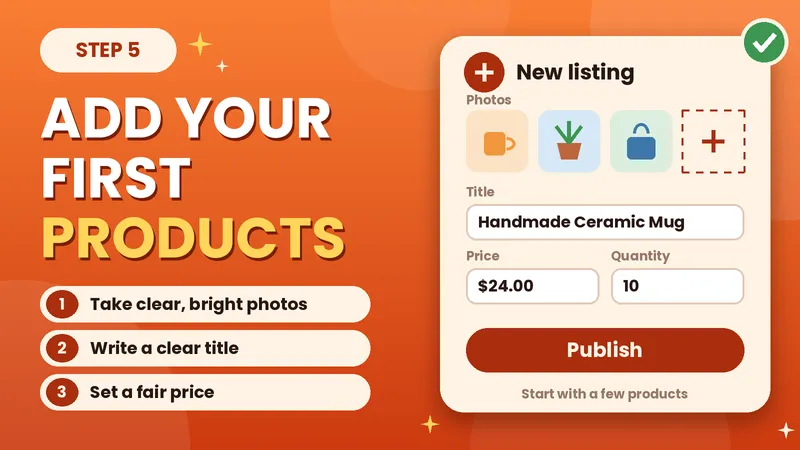
Now it is time to add products to your shop. Good product listings help customers understand what you are selling and decide whether to buy it.
Open Shop Manager, go to Listings and select the option to add a new listing.
Make sure each listing includes the following details.
Product title: Write a clear title that describes the item. For example, “Personalised Name Necklace in Sterling Silver” tells buyers more than “Beautiful Gift”.
Product photos: Add clear pictures from different angles. For digital products, include previews so customers can see what they will receive.
Product description: Explain the size, colour, materials and main features. If you sell a digital download, mention the file format and make it clear that no physical item will be delivered.
Price: Set a price that covers your costs and leaves you with a profit.
Tags and categories: Choose the right category and add relevant keywords that buyers may use when searching for your product.
Shipping details: For physical products, provide accurate shipping costs and delivery times. For digital products, upload the correct files.
Etsy allows up to 13 tags per listing. Use different relevant phrases that describe your product instead of repeating the same keyword.
Read Also- Top 10 Fintech Startups in the Philippines to Watch in 2026
6. Understand Etsy Fees
Before you start selling, it is important to understand Etsy's fees. These costs affect how much money you make from each sale.
Here are the main fees to consider.
| Fee | What it means |
| Shop setup fee | A one-time fee may apply when opening your shop. The amount is shown during setup. |
| Listing fee | US$0.20 per listing, generally valid for four months or until the item sells. |
| Transaction fee | 6.5% of the total order amount, including shipping and gift wrapping charged to the buyer. |
| Payment processing fee | Depends on your country and payment arrangements. |
| Advertising fees | May apply if you use Etsy Ads or receive sales through Offsite Ads. |
Other charges may include taxes, currency conversion fees and country-specific operating fees.
Check Etsy's official fees and taxes guide for the latest information.
When setting your prices, include the cost of materials, packaging, shipping, your time and Etsy fees.
For example, if it costs £8 to make and package a product, selling it for £10 may leave you with very little profit after fees and other expenses.
Tip: Work out your costs before deciding on a price. More sales do not always mean more profit.
7. Open Your Shop and Promote Your Products
Once your listings are ready, complete Etsy's payment and billing setup. You may also need to verify your identity and provide the required payment information.
After completing the necessary steps, you can open your shop and start selling.
However, opening your shop does not guarantee sales. People need to discover your products first.
You can promote your products through platforms such as Pinterest and Instagram. Share product photos, show how your items are made and explain how customers can use them.
Start with free promotion before spending money on advertising. Etsy Ads can help more people see your listings, but they cannot guarantee sales.
How to Get More Sales on Etsy
Getting your first sale may take time. These simple steps can help you improve your shop.
Use Etsy SEO
Etsy SEO helps buyers find your products when they search on Etsy.
Use relevant keywords in your titles, tags, descriptions and product details. Think about what a customer would type into the search bar.
For example, if you sell a budget planner, a phrase such as “printable weekly budget planner” may be more useful than using only the word “planner”.
Make sure your keywords describe the actual product. Avoid adding unrelated terms just to attract more visitors.
Take Clear Product Photos
Good photos help customers understand what they are buying. Use natural lighting, a clean background and several pictures of each product.
If you sell personalised items, show examples of the available designs. For digital products, include previews and explain what the buyer will receive.
Always use images that accurately represent your products.
Provide Good Customer Service
Reply to customer questions politely and provide clear information about your products.
Make sure your delivery times are realistic. If an order is delayed, let the customer know as soon as possible.
Good customer service helps build trust and may encourage buyers to shop with you again.
Improve Your Listings Regularly
Check your listings to see which products attract visitors and which ones receive little attention.
If people visit a listing but do not buy, review the photos, price, description and shipping costs. If a product receives very few visits, check whether your keywords match what customers are searching for.
Make small changes and see what works best for your shop.
Final Thoughts
Starting an Etsy shop is a simple way to turn your creative skills into an online business. You can begin by choosing a suitable product, setting up your store and creating clear product listings.
You do not need hundreds of products to get started. Focus on a few good listings, use relevant keywords and provide helpful customer service.
Be patient as you learn what your customers want. With regular improvements and a clear plan, you can work towards building a successful Etsy shop.
FAQs
How much does it cost to start an Etsy shop?
Etsy charges US$0.20 per listing and a 6.5% transaction fee. A one-time shop setup fee may also apply. Payment processing, advertising and other costs depend on your location and the services you use.
Can I start an Etsy shop with no money?
Starting completely for free may not be possible because Etsy charges listing fees and may charge a setup fee. You may also need money for materials, packaging or marketing.
Digital products can help you avoid inventory and shipping costs, but you still need to create the products and prepare your listings.
What can beginners sell on Etsy?
Beginners can consider handmade jewellery, personalised gifts, original digital downloads, craft supplies and eligible vintage products. Choose something that follows Etsy's rules and meets a clear customer need.
Can I sell digital products on Etsy?
Yes. You can sell original digital products such as printable planners, invitations, artwork and templates, as long as they follow Etsy's policies. Buyers can download eligible files after purchasing them.
How long does it take to make money on Etsy?
There is no fixed timeline. Some sellers get their first sale quickly, while others need weeks or months. Your results depend on product demand, pricing, competition, listing quality and promotion.
Do I need a business licence to sell on Etsy?
Not every Etsy seller needs a business licence. However, you must follow the business registration, tax and other legal requirements that apply in your country.
Recommended Stories for You


Team SR Dec 29, 2025


Team SR Dec 29, 2025

Yan li Jan 3, 2026
Trending Stories

What is a vision statement of a Company

Top 10 Strongest Currency in Asia 2025

Best Startup Industries In 2026

China lifts ban on Boeing deliveries after Trump’s tariff deal
Ather Energy Shares Surge 2% on Strong Market Debut in India

Leading Asian Healthtech startups in 2026

Hua Hong and SMIC Shares Drop Sharply Amid Rising U.S.-China Tensions

Potato Corner Franchise in 2025 – Cost, Profit, Requirements, Review