


JCB International, the international operations subsidiary of Japan-based JCB, has partnered with Hanoi Metro to introduce contactless tap-to-ride payments across Hanoi’s urban railway network in Vietnam. The service is expected to launch in early 2027.
 Follow us
 Follow us
Under a memorandum of understanding (MoU) signed by the two companies, passengers will be able to pay metro fares by tapping their JCB contactless cards or compatible devices directly at station fare gates.
Contactless Payments to Simplify Metro Travel
The new service will allow passengers to travel without purchasing separate transit tickets or carrying cash. It is expected to make metro journeys more convenient, particularly for international visitors from Japan, South Korea, and Taiwan.
Travellers from these markets will be able to use their existing JCB payment cards or compatible devices when using Hanoi’s metro network.
RECOMMENDED FOR YOU


Takumi Takahashi, Executive Vice President of JCB International, said the company was pleased to work with Hanoi Metro to introduce JCB transit services. He added that the initiative aims to improve convenience for JCB cardmembers and support the development of a modern, cashless public transport system in Vietnam.
JCB Expands Contactless Transit Services
Both companies will continue preparations ahead of the planned launch in early 2027.
The partnership is part of JCB’s broader efforts to expand contactless payments across public transport networks and support cashless transactions in Vietnam.
JCB has already introduced contactless transit payment services in other cities, including Taipei, Taichung, and Madrid. Hanoi Metro also supports Visa open-loop contactless payments, according to industry reports.
About JCB
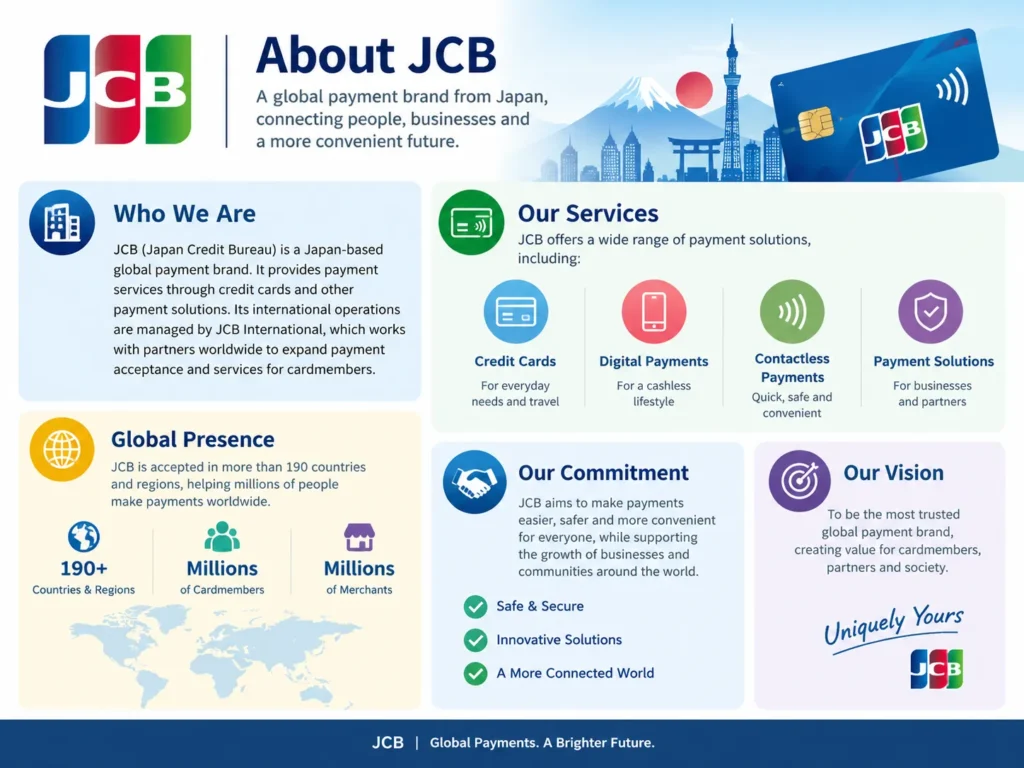
JCB is a Japan-based global payment brand that provides payment services through credit cards and other payment solutions. Its international operations are managed by JCB International, which works with partners worldwide to expand payment acceptance and services for cardmembers.
Read Also - GSMA Secures $1.2 Mn Funding to Expand Mobile Emergency Alerts in Pacific Islands
Recommended Stories for You


Nguyen Minh May 20, 2024

Team SR Sep 5, 2024

Yan li Nov 14, 2024
Trending Stories

Omnispay secures US$1.5mn seed funding led by Mercatus Capital

Indonesia-based AC Ventures Closes US$210 Mn Fifth Investment Fund

[FUNDING NEWS] Israel-Based Sendblocks Secures $8.2 Million In Seed Funding

Exodigo Raises $96M to Expand Underground Mapping Tech, Reaches $700M Valuation

Cloud Security Platform Orca Security lays off 15% of workforce

[FUNDING NEWS] India-Based Zypp Electric Secures $14 Million in Series C Funding

Hurotics Closes $18.6 Mn Expand Medical Robots and Develop Walking Assist Devices

Funding Wrap of the Week | Asian Startups Funding Roundup | Jan 28–Feb 2