

10 Agritech Startups Transforming Agriculture in Singapore
Sep 29, 2026 | By Carmela Catilo
 Follow us
 Follow us
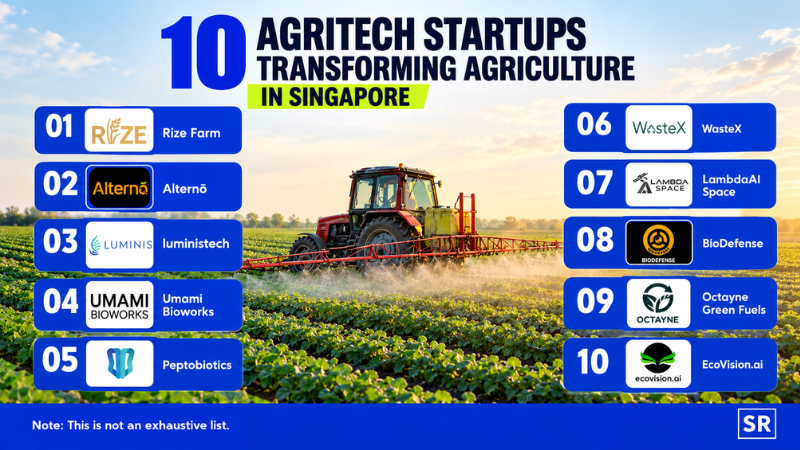
Singapore has almost no farmland, yet it has become one of Asia's most active testing grounds for agriculture technology. The government's "30 by 30" goal, to produce 30% of the country's nutritional needs locally by 2030, has pushed founders, investors, and researchers to solve food problems in new ways.
The startups below aren't all farms. Some cut methane from rice paddies. Others turn crop waste into fuel, grow seafood from cells, or track crop damage from space. Together they show that Singapore's agritech scene exports solutions across Southeast Asia and beyond, not just produce.
1. Rize: Low-Emission Rice Farming at Scale
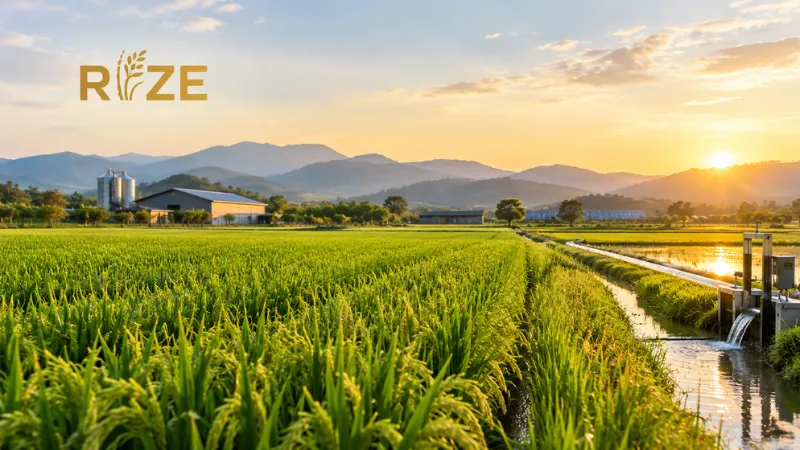
Rice feeds billions but produces significant methane. Rize is a Singapore agritech platform that makes sustainable rice cultivation viable through data-driven practices, and it closed a US$14 million Series A in May 2024. It has since raised more. A $31M Series B was led by BNP Paribas Asset Management, with Temasek and Breakthrough Energy Ventures also taking part.
Rize helps farmers adopt alternate wetting and drying, an irrigation method. The method can cut methane emissions by up to 50% and water use by 20–30%, and raise farmer income by up to 30% without reducing yield. In two years the company reached 17,000 smallholder farmers across 50,000 hectares in Vietnam and Indonesia.
2. Alternō: Sand Batteries for Farm Energy
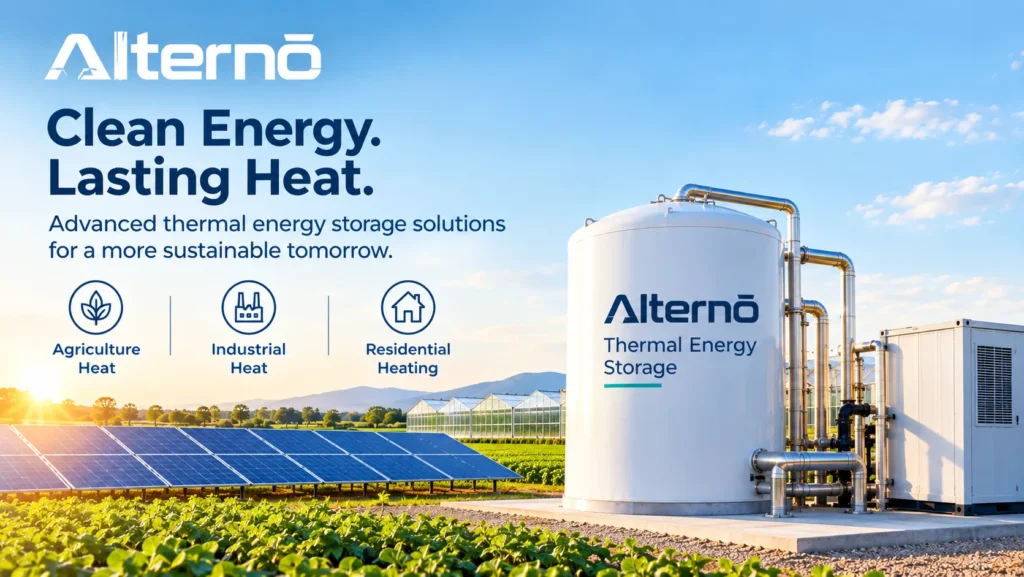
Heating and drying are energy-hungry parts of farming. Alternō develops sand batteries, offering energy storage and heating solutions tailored to agriculture, and raised over USD 1.5 million in a seed round. It was one of three winners of the Net Zero Challenge 2023, run by Touchstone Partners and Temasek Foundation.
3. Luminis: Microbiome Intelligence for Aquaculture
RECOMMENDED FOR YOU



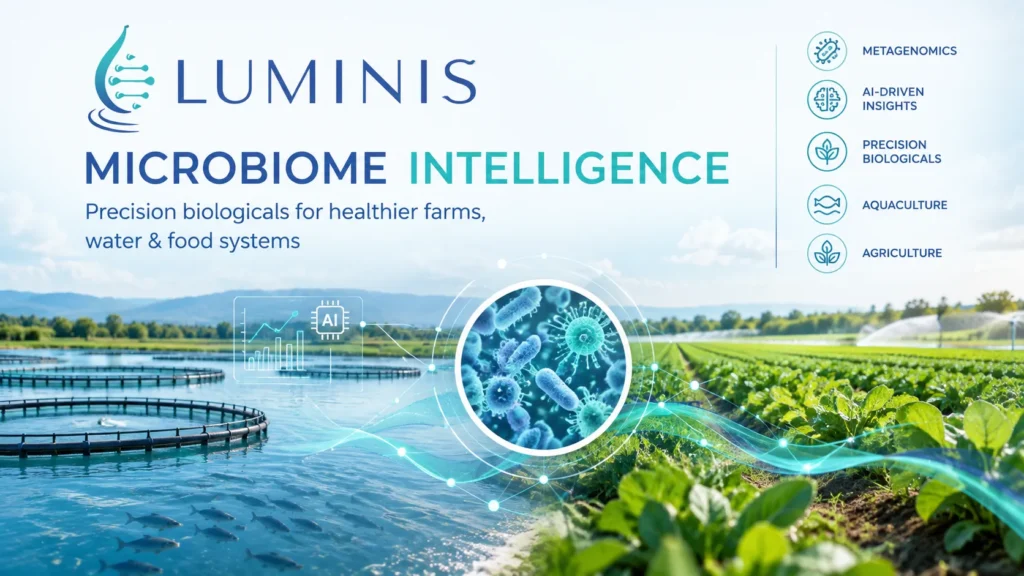
Luminis (Luminis Water Technologies) tackles disease and water quality in fish and shrimp farming. It uses microbiome intelligence and molecular tools to solve challenges in aquaculture and environmental monitoring. Its on-site PCR testing is supported by DNA field extraction kits that need no special skills or equipment. The company has also joined the Nvidia Inception Program and expanded to India.
4. UMAMI Bioworks: Cultivated Seafood
Overfishing and ocean contamination are growing concerns. UMAMI Bioworks grows seafood from cells. Its AI-driven ALKEMYST platform combines genomics, stem cell biology, machine learning, and automation, and it licenses modular systems to manufacturing partners. In March 2024 it announced a merger with fellow Singapore pioneer Shiok Meats, a first for cultivated seafood.
5. Peptobiotics: Replacing Antibiotics in Aquaculture
Antibiotic overuse in farming fuels drug-resistant bacteria. Peptobiotics raised a USD 6.2 million Series A to commercialize antimicrobial peptide technology that replaces antibiotics, starting with shrimp farming. Founded in 2020, it plans to move into livestock later. Its edge is manufacturing: it says cost-efficient production has long held peptide products back.
6. WasteX: Turning Farm Waste into Value
WasteX was the first venture from Wavemaker Impact's climate-tech venture-building program. It helps Southeast Asian producers turn biomass waste into higher-value products such as biochar or black soldier flies. It handles the full chain, from picking technology to carbon-credit certification and sales.
7. LambdAI Space: Satellite Data for Crop Risk

LambdAI Space, founded in 2023, builds an AI platform that pairs physics-aware machine learning with satellite radar imagery to monitor climate, natural resources, and infrastructure. The focus is helping insurers and farmers. Hail, drought, and frost can devastate crops, and its tools help insurers manage parametric climate products more efficiently. It raised a $400K seed round from Antler in December 2025.
8. BioDefense: Edible Coatings for Fresher Food

Spoilage wastes enormous amounts of food. BioDefense, co-founded in 2021 by Dr. Amit Kumar and Dr. Sheetal Sinha, makes odorless, colorless, tasteless edible coatings that extend shelf life, now at 2–3x. The coatings started with whole fish and now cover fillets, meat, poultry, and fresh produce.
9. Octayne Green Fuels: Crop Residue to Clean Fuel
Octayne secured US$525,000 in pre-seed funding from Wavemaker Impact in June 2024 to turn crop residue into a carbon-neutral fuel alternative for energy production. The pitch is a drop-in replacement for coal. Southeast Asia's agriculture generates over 400 million tons of post-harvest crop residue, which the company wants to use as feedstock. It also aims to reduce crop-residue burning.
10. EcoVision.ai: IoT and AI for Sustainable Rice
EcoVision delivers IoT and AI solutions to monitor rice and other crops, helping producers raise productivity while cutting their carbon footprint. Its portfolio includes soil and salinity sensors, weather stations, water level sensors for alternate wetting and drying, and MRV systems that quantify methane, nitrous oxide, and CO₂ emissions.
What These Startups Have in Common
- Climate and food together: Rize, EcoVision.ai, WasteX, and Octayne link farming to carbon reduction.
- Biotech over land: UMAMI Bioworks, Peptobiotics, and Luminis solve food-supply problems with biology, not acreage.
- Data as a crop input: LambdAI Space and EcoVision.ai turn satellites and sensors into farming and insurance decisions.
- Regional reach: Most of these companies operate across Southeast Asia, not just in Singapore.
Recommended Stories for You

Yan li Jan 2, 2026

Yan li Dec 31, 2025

Yan li May 10, 2025

Nguyen Minh Dec 24, 2025
Team SR Dec 27, 2025

Nguyen Minh Dec 26, 2025
Trending Stories

Top 10 Strongest Currency in Asia 2025

What is a vision statement of a Company
Best Startup Industries In 2026
China lifts ban on Boeing deliveries after Trump’s tariff deal
How to Start a Tech Repair Business: A Simple Guide

Ather Energy Shares Surge 2% on Strong Market Debut in India
Hua Hong and SMIC Shares Drop Sharply Amid Rising U.S.-China Tensions
Leading Asian Healthtech startups in 2026