

How Southeast Asia Startups Are Driving Innovation and Economic Growth
Jul 31, 2026 | By Yan li
 Follow us
 Follow us
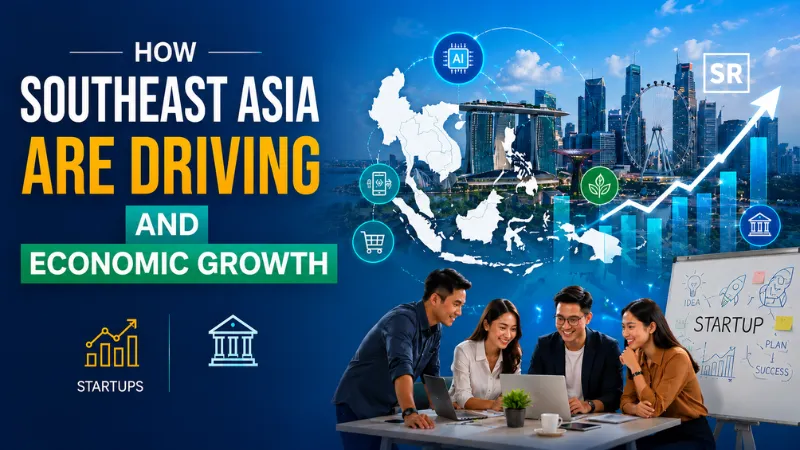
Southeast Asia has become one of the fastest-growing startup regions in the world. While the region was once known mainly for manufacturing, tourism, and agriculture, it is now home to thousands of startups building innovative technology solutions. Industries such as digital banking, artificial intelligence (AI), e-commerce, logistics, healthcare and climate technology are growing rapidly and attracting investment from global venture capital firms.
The region has a population of more than 680 million people, a growing middle class, high smartphone usage, and increasing internet access. These factors make Southeast Asia a great place for entrepreneurs to start and grow technology businesses. Countries like Singapore, Indonesia, Vietnam, Malaysia, Thailand and the Philippines have become leading startup hubs each offering unique opportunities for innovation.
As more people and businesses use digital services, startups across Southeast Asia are helping solve everyday problems with new technology. They are creating jobs, supporting economic growth, and attracting investors from around the world. Today, Southeast Asia is one of the world's most promising regions for startups and business innovation.
Why Southeast Asia Startups Are Growing So Fast
Several factors have contributed to the rapid rise of Southeast Asia startups over the past decade.

Large and Young Population
Southeast Asia has a population of more than 680 million people, and many of them are under the age of 35. This young population is comfortable using smartphones, the internet, and new digital technologies. As a result, the region has become an attractive market for startups building mobile apps, fintech solutions, online shopping platforms, and other digital services. The growing use of technology also creates new opportunities for businesses to develop products that meet changing customer needs.
- Large and young population with strong digital adoption.
- High smartphone and internet usage across the region.
- Growing demand for online shopping and digital payment services.
- Increasing popularity of food delivery and ride-hailing apps.
- Rising use of AI-powered products and digital solutions.
- Strong opportunities for startups to launch innovative businesses.
- Expanding customer base supports long-term startup growth.
Digital Transformation Is Driving Startup Growth in Southeast Asia
Businesses across Southeast Asia are quickly adopting digital technologies to improve their operations and serve customers better. Many companies are using cloud computing, artificial intelligence (AI), automation, cybersecurity and data analytics to become more efficient. At the same time, affordable smartphones and better internet access are helping startups reach more customers online.
- Companies are investing more in digital tools and technology.
- AI and automation are helping businesses save time and reduce costs.
- Better cybersecurity is becoming a top priority.
- Internet access is expanding across the region.
- Smartphones make it easier for people to use digital services.
Growing Investor Confidence in Southeast Asia Startups
Investors from around the world are putting more money into Southeast Asia startups because the region offers strong growth opportunities. As the digital economy continues to expand, startups are receiving funding that helps them grow, innovate, and reach new markets.
- Venture capital activity is increasing across the region.
- Startups are attracting funding across many industries.
- Investment supports business expansion and job creation.
- More startups are expanding beyond their home countries.
Government Support
Many governments in Southeast Asia are supporting startups by providing grants, tax benefits, startup incubators, accelerator programs, and innovation support.
Countries like Singapore and Malaysia have introduced business-friendly policies that encourage entrepreneurship and attract foreign investment.
These initiatives have helped build strong startup ecosystems and created more opportunities for new businesses to grow and compete in global markets.
Leading Startup Hubs in Southeast Asia
Singapore
Singapore is widely known as the leading startup hub in Southeast Asia. It offers a stable government, clear business regulations, modern infrastructure, and easy access to global financial markets.
Many multinational companies have set up their regional headquarters in Singapore, creating opportunities for startups to work with large global businesses.
The country is also home to many venture capital firms, startup accelerators, and innovation centers that provide funding, guidance, and support to new businesses.
Singapore has a strong startup ecosystem, especially in industries such as fintech, artificial intelligence (AI), cybersecurity, enterprise software, healthcare technology, and deep technology.
Indonesia
Indonesia has one of the largest digital economies in Southeast Asia. With a population of more than 280 million people, the country offers huge opportunities for startups.
Indonesia has created several successful technology unicorns and continues to attract investments in industries such as fintech, e-commerce, logistics, mobility, education technology (EdTech), and digital payments.
The growing number of internet users and increasing smartphone adoption are helping startups reach more customers and expand their businesses across the country.
Vietnam
Vietnam has become one of the fastest-growing startup hubs in Southeast Asia. It is gaining recognition for its strong technology and innovation ecosystem.
The country is becoming a popular destination for startups working in software development, artificial intelligence (AI), gaming, and enterprise technology.
A skilled workforce, lower operating costs, and growing government support have made Vietnam an attractive place for both local entrepreneurs and international investors.
Malaysia
Malaysia has built a strong startup ecosystem with the help of government support and increasing private investment.
Startups in the country are growing in industries such as fintech, digital commerce, healthcare, artificial intelligence (AI), cybersecurity, and sustainability.
Malaysia's strategic location makes it easier for businesses to expand into other Southeast Asian markets and reach more customers.
Thailand
Thailand is seeing rapid growth in digital businesses, especially in tourism technology, healthcare, retail technology, logistics, and financial services.
The country's digital economy is growing quickly as more businesses invest in automation, artificial intelligence (AI), and smart technologies to improve their products and services.
Philippines
The Philippines has become an important startup hub in Southeast Asia, especially in fintech, digital banking, software development, business process outsourcing (BPO), and AI-powered customer support.
The country is seeing more people use the internet and digital services, creating new opportunities for technology businesses.
The growing demand for financial inclusion is encouraging entrepreneurs to develop innovative solutions that make financial services more accessible across the country.
Industries Driving Southeast Asia Startups
Fintech
Fintech is one of the fastest-growing industries in Southeast Asia. Millions of people and small businesses now use digital wallets, online lending platforms, digital banks, payment gateways, and investment apps for their daily financial needs.
Financial technology startups are making banking services easier to access, especially for people and businesses that have limited access to traditional banks.
Artificial Intelligence (AI)
AI startups are growing quickly across Southeast Asia. Businesses are using artificial intelligence (AI) to automate tasks, improve customer service, strengthen cybersecurity, manage logistics, and support healthcare services.
Technologies such as Generative AI, AI assistants, predictive analytics, and enterprise AI solutions are attracting strong interest from investors.
E-commerce
Online shopping continues to grow rapidly across Southeast Asia. E-commerce startups are building platforms that make it easier for people to buy products online while improving delivery services, digital payments, and the overall shopping experience.
The increasing use of smartphones and the internet is helping this industry continue to grow.
Cybersecurity
As businesses become more digital, cybersecurity has become more important than ever. Startups are developing advanced security solutions to protect companies from cyberattacks, ransomware, phishing scams, data breaches, and AI-powered threats.
Because of rising cyber risks, cybersecurity startups continue to attract strong investor interest.
HealthTech
HealthTech startups are improving healthcare by offering telemedicine services, AI-powered diagnosis, wearable health devices, electronic medical records, and digital healthcare platforms.
As more people look for affordable and accessible healthcare, this sector continues to grow across the region.
Climate Technology
Climate technology startups are creating solutions to protect the environment. They work in areas such as renewable energy, electric vehicles, waste management, carbon reduction, sustainable agriculture, and clean manufacturing.
Governments and investors are increasing their support for these startups as sustainability becomes a global priority.
Why International Investors Are Investing in Southeast Asia Startups

- Southeast Asia has one of the fastest-growing consumer markets in the world, creating strong business opportunities.
- Rising incomes and greater use of digital technology are increasing demand for innovative products and services.
- Startup valuations are often more affordable than in markets like the United States and Europe, making them attractive to investors.
- Investors can support startups at an early stage and benefit from their future growth.
- Many founders are building scalable businesses that can expand across Southeast Asia and into global markets.
- Better digital infrastructure, business regulations, and financial services are making it easier for startups to grow.
- Strong innovation and increasing venture capital activity continue to attract investors from around the world.
Challenges Faced by Southeast Asia Startups
Although Southeast Asia startups have many growth opportunities, they also face several challenges as they expand their businesses.

RECOMMENDED FOR YOU


1. Strong Competition
Thousands of startups compete for customers, skilled employees, and investment. To stay ahead, businesses need to keep improving their products and introducing new ideas.
2. Different Regulations
Each Southeast Asian country has its own business laws, tax policies, and regulations. Startups that want to expand into different countries need to understand and follow the local rules in each market.
3. Shortage of Skilled Talent
There is a growing demand for software developers, AI experts, cybersecurity professionals and experienced business leaders. However, finding and hiring skilled talent remains a challenge for many startups.
4. Building a Profitable Business
While raising investment is important, startups also need to focus on earning steady revenue and building a sustainable business that can grow successfully over the long term.
The Future of Southeast Asia Startups
The future of Southeast Asia startups looks very promising. As more businesses adopt artificial intelligence (AI), digital payments, cloud computing, and automation, new opportunities will continue to emerge across industries such as healthcare, finance, education and manufacturing. The demand for cybersecurity and climate technology solutions is also expected to grow as businesses focus on digital security and sustainability. At the same time, better digital infrastructure and stronger regional cooperation will make it easier for startups to expand into new markets, creating more opportunities for entrepreneurs, investors and technology companies across Southeast Asia.
Conclusion
Southeast Asia startups are playing a major role in the region's economic growth through innovation, technology, and entrepreneurship. A young digital population, increasing investor confidence, better internet access, and strong government support have helped make Southeast Asia one of the world's fastest-growing startup ecosystems. Startups in industries such as fintech, artificial intelligence (AI), cybersecurity, healthcare, logistics, and climate technology are solving real-world problems and creating new business opportunities.
Although startups still face challenges such as strong competition, different regulations, and a shortage of skilled talent, the future looks very promising. As digital transformation continues and investment keeps growing, Southeast Asia is expected to become one of the world's leading startup and innovation hubs, creating new opportunities for entrepreneurs, investors and businesses.
FAQs
What are Southeast Asia startups?
Why is Southeast Asia becoming a major startup hub?
Which countries have the strongest startup ecosystems in Southeast Asia?
Which industries are growing the fastest in Southeast Asia startups?
Why are international investors investing in Southeast Asia startups?
What challenges do Southeast Asia startups face?
Why is Singapore considered the leading startup hub in Southeast Asia?
How is artificial intelligence (AI) transforming Southeast Asia startups?
Why is fintech one of the fastest-growing sectors in Southeast Asia?
Recommended Stories for You

Nguyen Minh Jun 18, 2026

Yan li Nov 27, 2025


Yan li Feb 28, 2026


Yan li May 7, 2025
Trending Stories

Franchise business in Vietnam 2025
Motherhood Malaysia’s – Leading Parenting & E-commerce Platform

How to Start an E-Commerce Business in Singapore: A Complete Guide

New Software Wuvdbugflox Overview: A Modern Tool for Smarter Workflows and Productivity

5 Best MBA Programs for Tech Jobs

How to Calculate Overtime Pay in Malaysia: A Step-by-Step Guide

Autohome Aims to Revolutionize Car Buying Worldwide with AI

Zero-cost, No-code Checklist for Pre-launch Startups: Build Your Dream Business with Zero Investment